
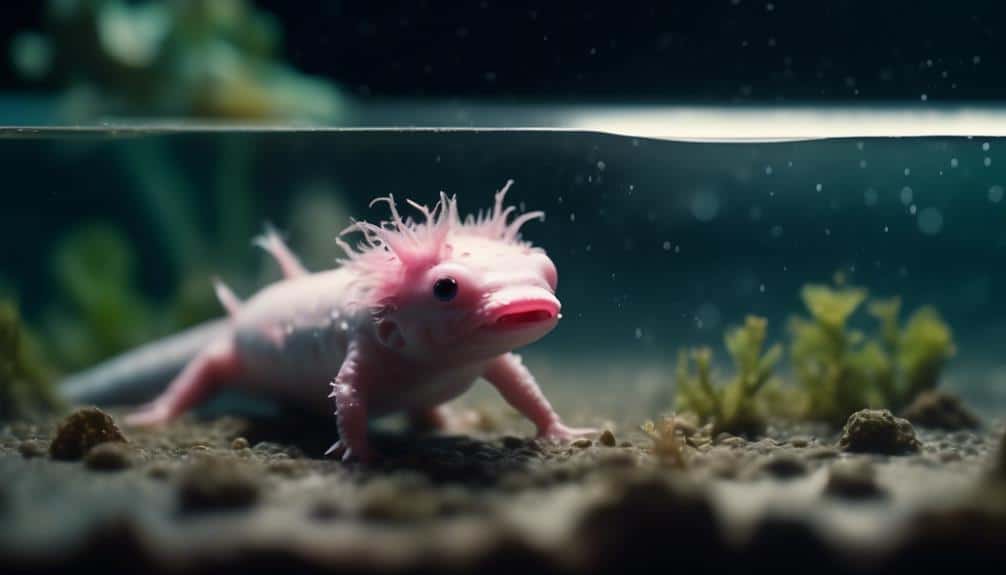
As axolotl owners, it can be concerning when we notice that our beloved aquatic creatures are not growing as expected. We may find ourselves pondering over the possible reasons behind this stunted growth. While there can be various factors contributing to this phenomenon, it is crucial to approach the issue with a thoughtful and methodical mindset.
In this discussion, we will explore some of the potential causes for your axolotl's lack of growth, ranging from water quality to genetic factors, leaving you intrigued to uncover the answers that may help your axolotl flourish.
Inadequate Water Quality
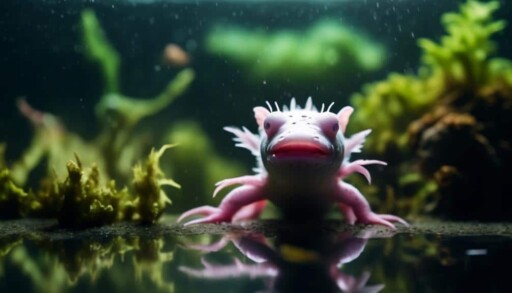
Inadequate water quality can significantly hinder the growth and development of axolotls. One crucial aspect of water quality that affects axolotl growth is water temperature. Axolotls are cold-blooded creatures, and their metabolism is directly influenced by the temperature of their environment.
Ideally, the water temperature for axolotls should be maintained between 16 to 18 degrees Celsius. If the water temperature is too high, it can lead to increased metabolic rates, causing the axolotls to consume more energy and impeding their growth. On the other hand, if the water temperature is too low, it can slow down their metabolism and result in reduced growth rates.
Additionally, water chemistry plays a pivotal role in axolotl growth. Maintaining proper water chemistry, including pH levels, ammonia, nitrate, and nitrite levels, is essential for their overall health and growth. Any imbalances in water chemistry can cause stress and negatively impact their growth.
Improper Feeding Habits
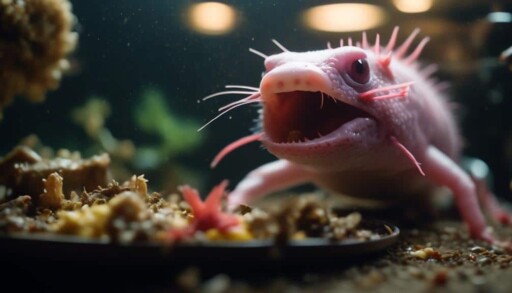
Improper feeding habits can significantly impact the growth and development of axolotls, hindering their overall health and vitality. To ensure proper growth, it is essential to establish a regular feeding schedule that meets their nutritional requirements.
Axolotls are carnivorous amphibians and primarily feed on live or frozen foods such as bloodworms, brine shrimp, and small fish. Feeding them a varied diet is crucial to ensure they receive a balanced mix of nutrients.
It is important to avoid overfeeding as it can lead to obesity and health problems. Underfeeding, on the other hand, can stunt their growth and weaken their immune system.
Insufficient Tank Size
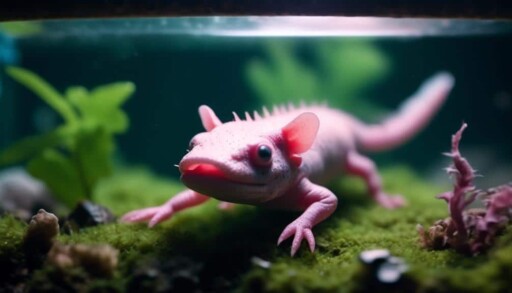
A key factor that can greatly impact the growth and well-being of axolotls is the size of their tank. Axolotls require a tank that provides ample space for them to swim and explore. Limited space can hinder their growth and development, leading to stunted growth.
Axolotls are active creatures that need room to move around freely. In a small tank, they may become stressed and their growth may be stunted as a result. It is recommended to provide at least a 20-gallon tank for a single axolotl, with additional space for each additional axolotl.
A larger tank will not only allow them to grow properly but also provide them with a more natural and stimulating environment, promoting their overall health and well-being.
Stress or Inadequate Environment
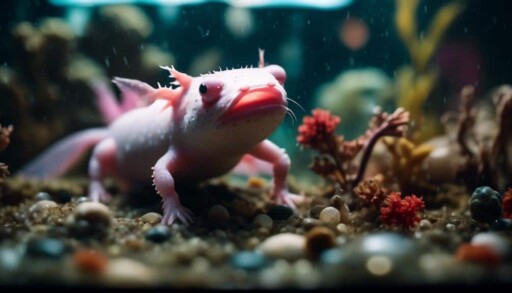
Insufficient tank size can not only impact axolotls' growth and development but also contribute to stress and an inadequate environment for these fascinating creatures.
Stress is a major factor that can hinder the growth of axolotls. When axolotls are stressed, their metabolism may be affected, leading to decreased appetite and impaired growth. Additionally, an inadequate environment can result in nutritional deficiencies, further inhibiting growth. Axolotls require a properly balanced diet to ensure they receive all the necessary nutrients for healthy growth.
Temperature fluctuations can also cause stress and hinder growth. Axolotls are cold-water animals, and sudden changes in temperature can disrupt their metabolism and lead to stunted growth. It is crucial to provide a suitable environment with stable temperatures and proper nutrition to promote the healthy growth of axolotls.
Genetic Factors or Health Issues
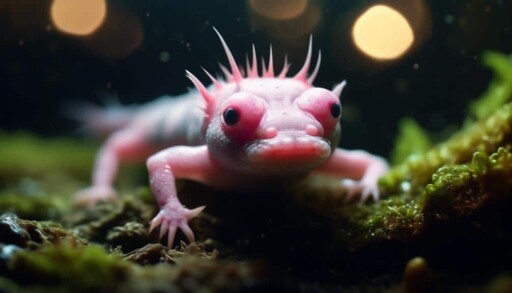
Genetic factors and health issues can significantly impact the growth and development of axolotls. These factors can lead to stunted growth or even death if not addressed promptly. One common genetic factor that affects axolotl growth is a condition called dwarfism, which results in smaller body size and abnormal bone development. Additionally, certain health issues can hinder axolotl growth, such as metabolic disorders or organ malfunctions.
Two key factors that can contribute to poor growth in axolotls are inconsistent temperature and lack of exercise. Axolotls are ectothermic animals, meaning their body temperature is dependent on their environment. Inconsistent temperature can disrupt their metabolism and slow down their growth. Similarly, a lack of exercise can lead to muscle atrophy and hinder overall growth.
To provide a comprehensive understanding, here is a table summarizing the impact of genetic factors and health issues on axolotl growth:
| Factor | Impact on Growth and Development |
|---|---|
| Genetic Factors | – Dwarfism, resulting in smaller body size and abnormal bone development |
| – Genetic disorders affecting metabolism and organ function | |
| Health Issues | – Metabolic disorders hindering growth |
| – Organ malfunctions affecting overall development | |
| Inconsistent Temperature | – Disruption of metabolism and slowing down growth |
| Lack of Exercise | – Muscle atrophy and hindered overall growth |


