
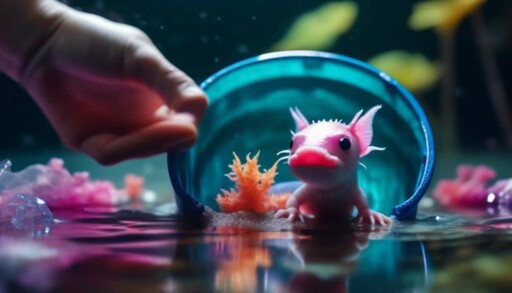
The axolotl, a fascinating amphibian with its unique ability to regenerate body parts, has captured the curiosity of many enthusiasts.
For those who wish to observe and study these captivating creatures up close, the process of safely transferring them into a bucket requires precision and care.
In this discussion, we will explore the intricacies of capturing an axolotl, the necessary preparations for the bucket and water, and the key considerations to ensure the axolotl's well-being during this delicate process.
By following these steps, you will be one step closer to witnessing the mesmerizing world of these enigmatic aquatic beings.
Understanding the Axolotl's Behavior
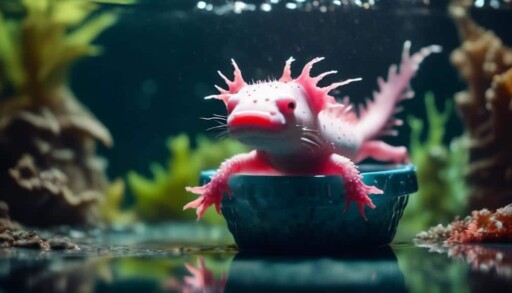
The behavior of the axolotl, a unique amphibian species native to Mexico, is a subject of great interest and study for scientists and enthusiasts alike.
Axolotls are primarily aquatic, spending their entire lives in the water. They are naturally found in lakes and canals in and around Mexico City, their natural habitat.
These amphibians have the remarkable ability to regenerate lost body parts, which has garnered significant attention in the scientific community. Axolotls are also known for their neotenic characteristics, meaning they retain their juvenile features into adulthood, including their external gills.
In terms of dietary needs, axolotls are carnivorous and primarily feed on small invertebrates, such as worms, insects, and crustaceans. They are opportunistic feeders, consuming anything that fits into their mouths.
Understanding the axolotl's behavior is crucial for their successful captive care and conservation efforts.
Preparing the Bucket and Water
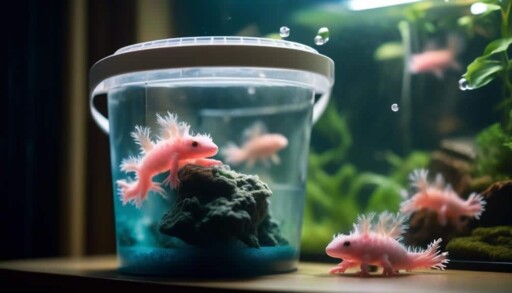
To ensure optimal conditions for an axolotl, careful preparation of the bucket and water is essential. The first step is filling the bucket with appropriate water. Axolotls are aquatic creatures that require clean, dechlorinated water to thrive. Chlorine and other chemicals in tap water can be harmful to their sensitive skin and gills. It is recommended to use aged or treated water, or to use a dechlorinator to neutralize any harmful substances.
Additionally, it is crucial to secure the bucket lid to prevent the axolotl from escaping or any other potential dangers. Axolotls are skilled escape artists and can easily climb out of an unsecured bucket. The lid should fit tightly to ensure the axolotl's safety and to maintain a stable environment in the bucket.
Following these steps will help create a suitable habitat for your axolotl, promoting its health and well-being.
| Step | Action |
|---|---|
| 1 | Fill the bucket with appropriate water |
| 2 | Secure the bucket lid |
Gently Catching the Axolotl
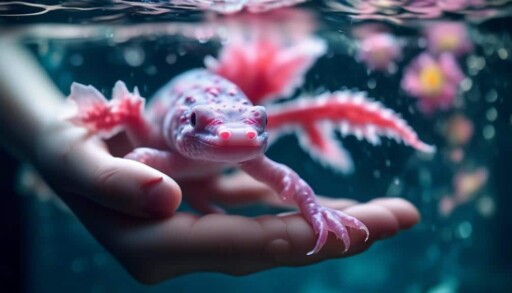
When attempting to catch an axolotl, it is important to employ gentle and careful techniques to ensure the well-being of the creature. Patience and precision are key in this process. Proper handling techniques must be followed to minimize stress and potential harm to the axolotl.
Firstly, it is crucial to approach the axolotl slowly and calmly, avoiding sudden movements that may startle it. It is recommended to use a soft net or cup with smooth edges to scoop the axolotl gently from the water. Care should be taken to support its body properly, avoiding any squeezing or pressure on its delicate limbs.
It is advisable to handle the axolotl as little as possible to reduce stress. Remember, the well-being of the axolotl should always be the top priority when catching it.
Transferring the Axolotl to the Bucket
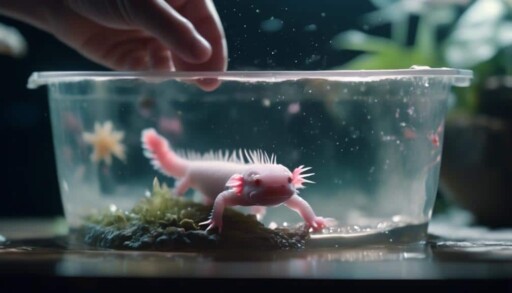
To transfer the axolotl to the bucket, it is essential to delicately lift the creature using a soft net or cup, ensuring its well-being and minimizing stress. Proper handling techniques during axolotl transfer are crucial to prevent harm to the delicate amphibian. When choosing the right type of bucket for axolotl transportation, it is important to consider certain factors. Firstly, the bucket should be made of non-toxic materials, such as food-grade plastic, to avoid any potential chemical contamination. Additionally, the bucket should be large enough to accommodate the axolotl comfortably, allowing it to move around without restriction. Lastly, the bucket should have a secure lid or cover to prevent any escape attempts and ensure the axolotl's safety during transportation. By following these guidelines, a smooth and stress-free transfer of the axolotl to the bucket can be achieved.
| Factors to Consider when Choosing a Bucket for Axolotl Transportation: | ||
|---|---|---|
| Material | Size | Lid/Cover |
| Non-toxic, food-grade plastic | Large enough to accommodate the axolotl comfortably | Secure lid or cover to prevent escape |
Ensuring the Axolotl's Safety and Comfort in the Bucket
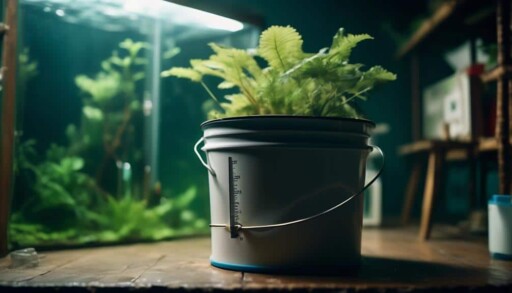
Ensuring the axolotl's safety and comfort in the bucket is of utmost importance to maintain its well-being during transportation. When transferring the axolotl to the bucket, it is essential to use appropriate transportation methods that minimize stress and provide a suitable environment for the axolotl.
The bucket should be filled with water from the axolotl's original habitat, ensuring it is of the same temperature and pH level to prevent shock. To further ensure the axolotl's comfort, it is recommended to include plants or hiding spots in the bucket to mimic its natural habitat.
Additionally, the acclimating process should be gradual, allowing the axolotl to adjust to the new water conditions over time.


