
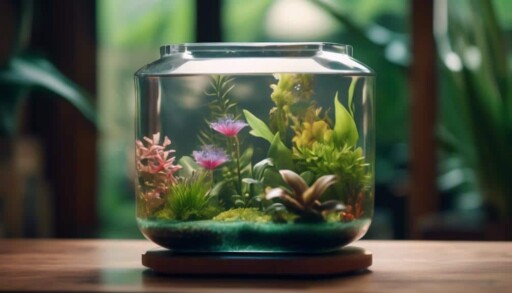
The world of aquatic pets offers a diverse array of captivating creatures, each with its own unique set of care requirements. Among these fascinating beings, the axolotl stands out as an enigmatic and mesmerizing species. With its endearing appearance and intriguing ability to regenerate lost body parts, it has captured the attention of many enthusiasts.
However, the process of setting up an axolotl tank can be quite intricate, demanding meticulous attention to detail. From selecting the right tank size and creating a suitable habitat to ensuring optimal water parameters and maintenance, there are numerous factors to consider.
In this discussion, we will explore the essential steps and considerations involved in embarking on this captivating journey, providing you with a comprehensive guide to successfully establishing an axolotl tank.
Tank Size and Setup
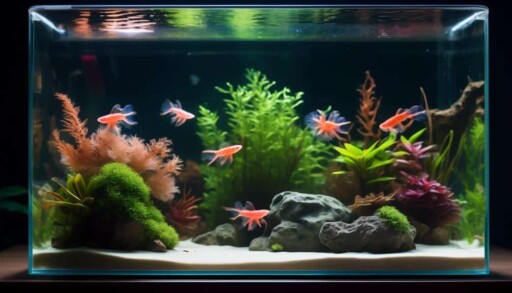
When setting up an axolotl tank, it is essential to carefully consider the appropriate tank size and setup to ensure the optimal living conditions for these aquatic creatures.
Axolotls are cold-blooded animals and require a specific temperature range for their well-being. Therefore, a heater is necessary to maintain a consistent water temperature between 60-68°F (15-20°C).
Additionally, it is crucial to choose tank mates that are compatible with axolotls to avoid any potential stress or aggression. Optimal tank mates include peaceful species such as small fish or snails that do not pose a threat to axolotls.
The tank should also be appropriately sized to accommodate the axolotl's growth and provide enough space for swimming and exploration. A general rule of thumb is to have at least 10 gallons (38 liters) of water per axolotl, with larger tanks being preferable.
Water Parameters and Filtration
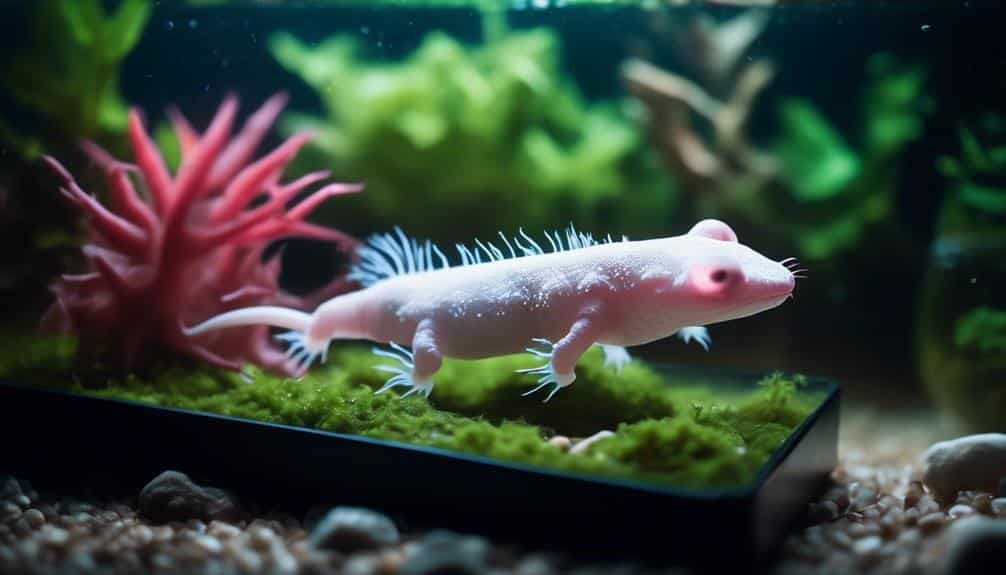
To ensure optimal water conditions for axolotls, careful attention must be given to maintaining appropriate water parameters and implementing an effective filtration system. Here are four key factors to consider when it comes to water chemistry and choosing the right filter for your axolotl tank:
- pH Levels: Axolotls prefer slightly alkaline water with a pH range of 6.5 to 7.5. Regular monitoring and adjustments, if necessary, are crucial for their well-being.
- Ammonia and Nitrite Levels: These toxic compounds can harm axolotls. A reliable filter should have biological filtration capabilities to convert ammonia into less harmful substances like nitrites and nitrates.
- Water Flow: Axolotls require gentle water flow to prevent stress and injury. Choose a filter with adjustable flow settings or consider adding a sponge pre-filter to reduce the flow rate.
- Filtration Media: Select a filter that includes mechanical, biological, and chemical filtration media to remove debris, promote beneficial bacterial growth, and eliminate impurities, respectively.
Choosing the Right Substrate
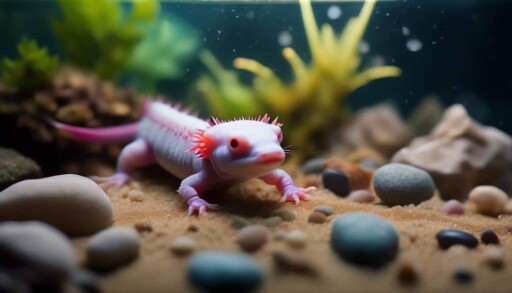
The choice of substrate plays a crucial role in creating a suitable environment for axolotls in their tank. It not only affects the aesthetics of the aquarium setup but also provides a surface for beneficial bacteria to colonize, aiding in the biological filtration process. When selecting substrate for an axolotl tank, it is important to consider their specific needs and natural habitat. Axolotls prefer soft substrates that do not have sharp edges to avoid potential injuries. A popular choice is fine sand, which mimics the sandy bottoms of their native lakes. Another option is bare-bottom tanks, which are easier to clean and maintain. Here is a table showcasing different substrate options for axolotl tanks:
| Substrate Type | Description |
|---|---|
| Fine Sand | Soft, smooth texture resembling natural habitat |
| Bare-bottom | Easy to clean and maintain, reduces risk of injury |
| Gravel | Not recommended as it can cause digestion issues |
| Artificial | Provides a decorative element, but should be non-toxic and easy to clean |
In addition to the substrate, proper tank lighting is essential for the well-being of axolotls. They require a light cycle of 10-12 hours per day to maintain a healthy circadian rhythm. However, it is important to provide them with areas of shade or hiding spots to prevent stress. Using a dimmable LED light fixture with adjustable brightness can help replicate their natural lighting conditions and provide the necessary balance between light and dark in the tank.
Decorations and Hiding Places
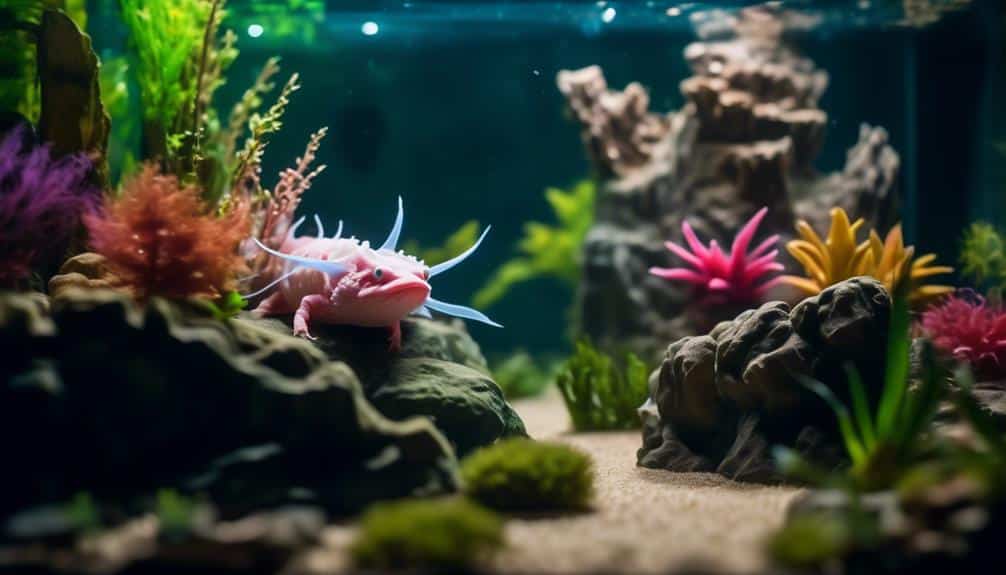
After choosing the right substrate for an axolotl tank, it is important to consider adding appropriate decorations and hiding places to create a stimulating and secure environment for these unique aquatic creatures. Here are four key elements to consider when decorating an axolotl tank:
- Aquarium plants: Adding live or artificial aquarium plants provides axolotls with places to hide and explore. Live plants also help to maintain water quality by absorbing nitrates and providing oxygen.
- Temperature control: Axolotls prefer cooler water temperatures, so it's important to choose decorations that don't interfere with temperature regulation. Avoid placing decorations near heaters or in direct sunlight, as this can cause fluctuations in water temperature.
- Caves and tunnels: Axolotls are natural burrowers and enjoy having hiding spots. Adding caves and tunnels made from materials like PVC pipes, ceramic pots, or rocks provides them with secure places to retreat.
- Natural elements: Incorporating natural elements like rocks, driftwood, or shells not only adds aesthetic appeal but also mimics their natural habitat. These elements can create additional hiding spots and provide surfaces for beneficial bacteria to colonize.
Feeding and Maintenance
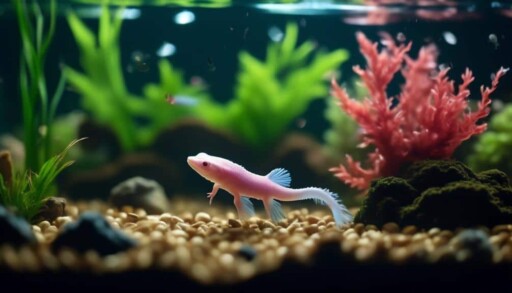
Feeding and maintaining an axolotl tank requires careful attention to their dietary needs and regular maintenance tasks.
Axolotls are carnivorous amphibians and their diet primarily consists of live or frozen foods such as bloodworms, brine shrimp, and small fish. It is important to provide a varied diet to ensure proper nutrition.
Adult axolotls should be fed once or twice a day, while juveniles require more frequent feeding.
Additionally, regular water quality monitoring and maintenance are crucial. Axolotls produce a significant amount of waste, so it is important to perform regular water changes and clean the tank to prevent the accumulation of harmful substances.
Proper tank lighting is also important for the overall health of axolotls. They prefer dim lighting as they are sensitive to bright lights, and it is best to provide them with a natural light cycle to mimic their natural habitat.


