
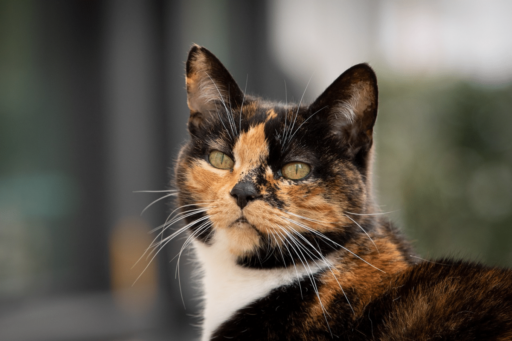
Purring, the pleasant and purrplexing phenomenon exhibited by our feline friends, fascinates many cat owners. ‘Why is my cat purring all the time?’ This question echoes in the minds of curious pet parents worldwide.
Unmistakably, understanding the basics of this behavior is crucial to deciphering its significance. Purring primarily represents a felicitous state for cats, reflecting their contentment and happiness. However, it can also serve as a means of seeking attention and affection from their human companions. Surprisingly, cats may even purr when they are in pain or distress, adding an enigmatic layer to this vocalization.
Consequently, distinguishing between various purring motives becomes essential for responsible pet ownership. While excessive purring may be innocuous in most cases, there are instances where it could indicate underlying health concerns that require immediate attention.
By delving into the multifaceted nature of cat purring, we can unravel its secrets and develop a deeper appreciation for our feline companions’ communicative prowess.
Table of Contents


