
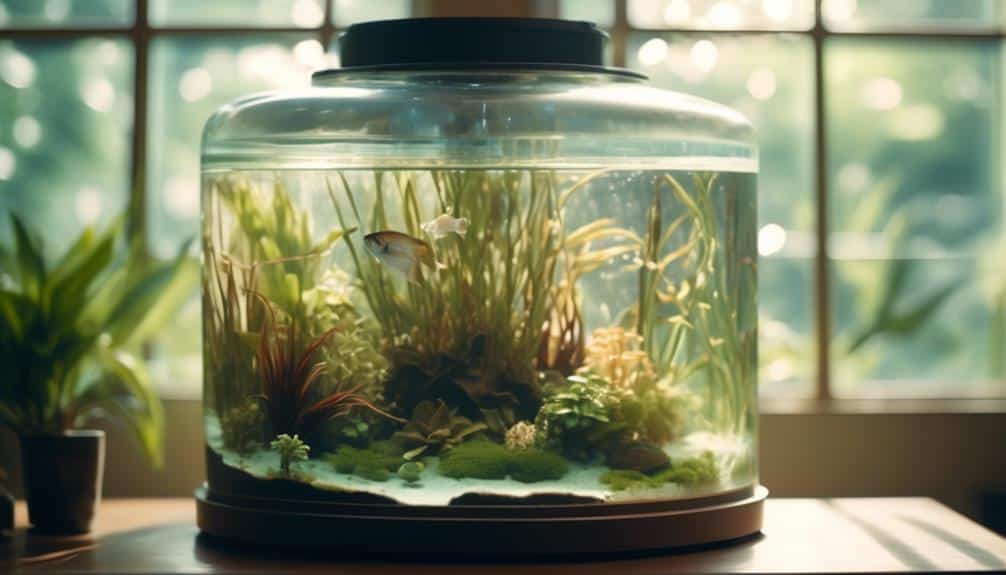
Maintaining the right temperature in an axolotl tank is crucial for the health and well-being of these unique aquatic creatures. Axolotls are known for their sensitivity to high temperatures, which can lead to stress, illness, and even death. As a responsible axolotl owner, it is essential to create a suitable environment that keeps the tank cool and comfortable.
In this discussion, we will explore various methods and techniques to achieve optimal temperature control, ensuring the continued happiness and longevity of your axolotl companions. So, let's dive into the world of axolotl tank cooling and discover the secrets to maintaining an ideal habitat for these fascinating creatures.
Ideal Temperature Range for Axolotl Tank
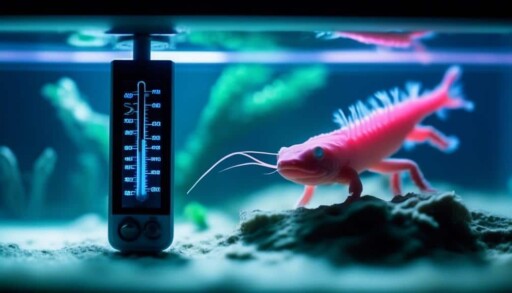
The ideal temperature range for an axolotl tank is crucial for maintaining the health and well-being of these unique amphibians. Axolotls are cold-water species and thrive in temperatures between 60°F and 68°F (15°C and 20°C). It is essential to provide a stable temperature within this range to avoid stressing the axolotls and compromising their immune system.
Temperature regulation devices such as aquarium heaters and chillers can be utilized to maintain the desired temperature range. Aquarium heaters are used to warm the water during colder months, while chillers are employed to cool the water during hot summers.
Additionally, there are natural ways to cool the axolotl tank, such as using fans or placing the tank in a cooler room. It is crucial to monitor the temperature regularly to ensure the axolotls' well-being and make necessary adjustments.
Proper Tank Placement for Temperature Control
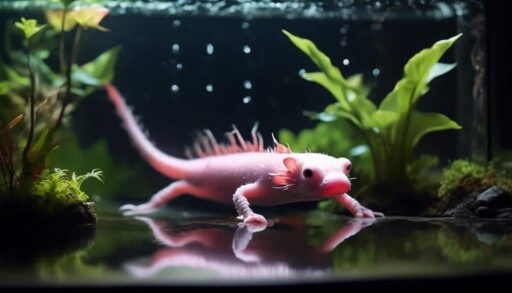
To ensure optimal temperature control for an axolotl tank, proper placement of the tank is essential.
One of the key factors to consider is tank insulation. Placing the tank in an area away from direct sunlight and drafts is crucial to maintain a stable temperature.
Direct sunlight can lead to overheating, while drafts can cause temperature fluctuations. Insulating the tank with materials like Styrofoam can help prevent heat loss.
Another option is to use chillers, which actively cool the water in the tank. Chillers are effective in maintaining a consistent temperature, especially in warmer climates or during hot summer months.
Proper tank placement, along with insulation and the use of chillers, ensures a controlled and comfortable environment for axolotls.
Cooling Techniques Using Fans and Air Conditioning
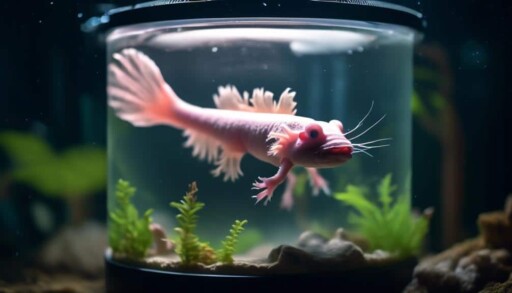
Fans and air conditioning are effective cooling techniques for maintaining a suitable temperature in an axolotl tank. When using fans, it is important to position them strategically to maximize their cooling effect. Placing a fan near the surface of the water can help increase evaporation, which in turn cools down the tank. The air movement created by the fan helps to dissipate heat and lower the overall temperature in the tank.
Additionally, using air conditioning can provide a more precise and controlled cooling method. By setting the air conditioner to a desired temperature, it can help maintain a stable and suitable environment for axolotls. However, it is essential to ensure that the cool air from the air conditioning unit does not directly blow onto the axolotl tank, as it may cause temperature fluctuations and stress the axolotls.
Considering these alternative cooling methods can help ensure the well-being of axolotls by maintaining an optimal tank temperature.
Utilizing Ice Packs or Frozen Water Bottles
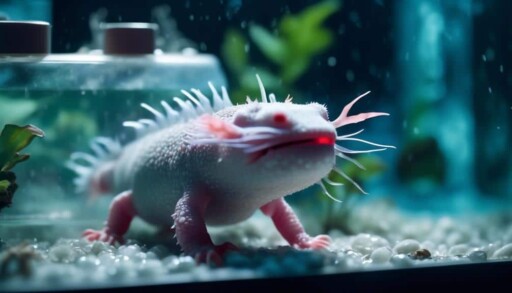
Another effective method for cooling an axolotl tank is by utilizing ice packs or frozen water bottles.
Ice packs or frozen water bottles can be placed in the tank to lower the water temperature gradually. These items act as a source of cold temperature that helps to counterbalance the high temperature in the tank.
When using ice packs, it is important to ensure that they are sealed or wrapped in a towel to avoid direct contact with the axolotl. Frozen water bottles can also be used in a similar manner.
It is advisable to monitor the temperature regularly using digital thermometers to ensure that the cooling effect is adequate and the temperature is within the desired range.
Additionally, cooling mats can be placed underneath the tank to further enhance the cooling process.
Importance of Monitoring Water Temperature Regularly
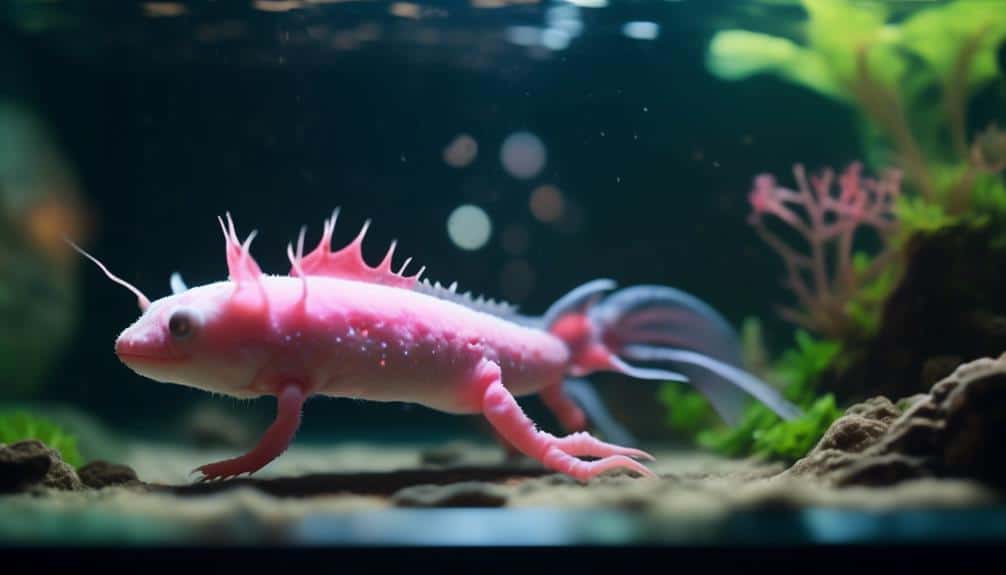
Regular monitoring of water temperature is crucial for the well-being and optimal health of axolotls. This includes utilizing ice packs or frozen water bottles to cool the tank. Here are the reasons why monitoring water temperature is important:
- Maintaining Stability: Regular monitoring allows for the identification of any fluctuations in water temperature. This enables quick action to address these fluctuations and prevent stress or harm to the axolotls.
- Preventing Overcooling: Monitoring helps prevent the water temperature from dropping too low. Excessively cold water can lead to hypothermia and negatively impact the axolotls' metabolic rate.
- Avoiding Overheating: Monitoring also helps prevent the water temperature from rising too high. High temperatures can cause heat stress, oxygen depletion, and even death for axolotls.
- Ensuring Optimal Conditions: By monitoring water temperature regularly, axolotl owners can ensure that the temperature is within the recommended range for axolotls (around 60-68°F or 15-20°C). This provides the ideal conditions for their well-being and overall health.
Regular monitoring of water temperature is therefore essential for maintaining a stable and suitable environment for axolotls.


