
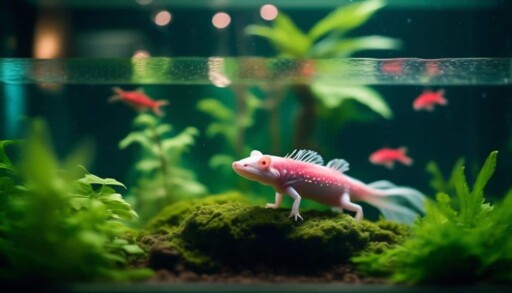
Axolotls, fascinating creatures known for their unique appearance and regenerative abilities, have become increasingly popular as pets in recent years.
However, a question that arises among axolotl enthusiasts is whether these captivating creatures should be kept alone or in groups.
The answer to this query is not a simple one, as it depends on various factors such as the natural behavior of axolotls, the pros and cons of keeping them alone, and the benefits of their socialization.
In this discussion, we will explore these aspects in order to shed light on the question at hand, leaving you with a deeper understanding of the factors involved and the decision to be made.
Natural Behavior of Axolotls
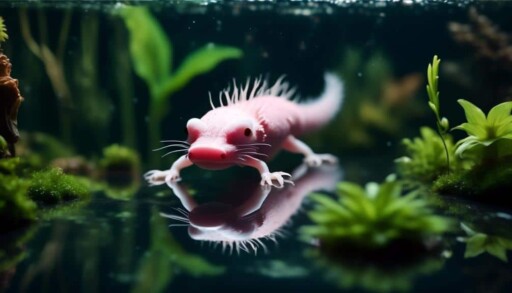
The natural behavior of axolotls is a fascinating subject that provides valuable insights into their unique characteristics and adaptations. These aquatic salamanders are known for their social interactions, which play a crucial role in their lives.
Axolotls are social animals and can be seen engaging in various social behaviors such as courtship, territoriality, and hierarchy. They communicate through visual and chemical signals, using their body movements and release of pheromones. Social interactions are important for their overall well-being and reproduction.
Another aspect of their natural behavior is their need for environmental enrichment. Axolotls are highly curious and active animals, constantly exploring their surroundings. They require a stimulating environment that mimics their natural habitat, providing them with opportunities for exploration, foraging, and mental stimulation. This can be achieved by adding live plants, hiding spots, and natural substrates to their tanks.
Environmental enrichment not only keeps them physically and mentally engaged but also helps prevent boredom, stress, and potential health issues. Understanding the natural behavior of axolotls is crucial for their proper care and well-being in captivity.
Pros of Keeping Axolotls Alone
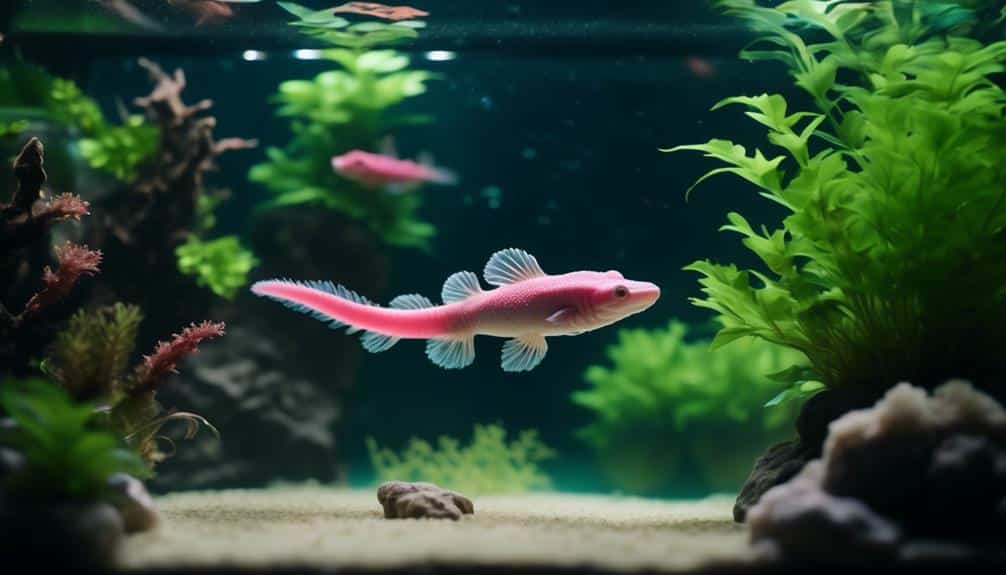
Axolotls' natural behavior and environmental needs make it worth considering the pros of keeping them alone in captivity.
One of the advantages of keeping axolotls alone is that it minimizes the risk of aggression and stress. Axolotls are solitary creatures in the wild, and they prefer to have their own territory. When kept together, they may exhibit aggressive behavior, leading to injuries or even death.
Another advantage is that keeping axolotls alone allows for easier monitoring of their health and well-being. In a solitary environment, it becomes easier to detect any signs of illness or injury, ensuring prompt intervention.
However, a potential disadvantage of keeping axolotls alone is the lack of social interaction. While axolotls may not require social companionship, some owners enjoy observing their interactions.
Cons of Keeping Axolotls Alone
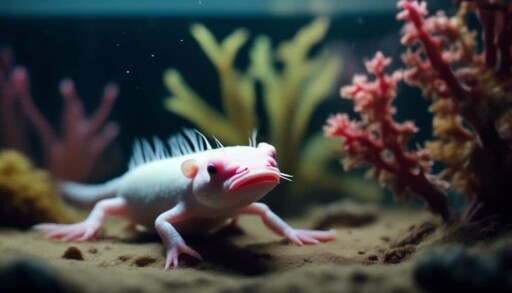
One potential drawback of housing axolotls alone is the limited opportunity for social interaction. Axolotls, like many other animals, are social creatures that benefit from interactions with their own kind. In the wild, they live in groups and engage in various social behaviors, such as courtship and territorial displays. Social interaction is crucial for their well-being and mental stimulation.
When kept alone, axolotls may experience boredom and loneliness, which can negatively impact their overall health and behavior. They may display signs of stress, such as decreased appetite, lethargy, and even aggression.
In contrast, when axolotls have the opportunity to interact with each other, they engage in activities that promote mental stimulation, such as playing and exploring their environment.
Therefore, it is recommended to house axolotls in pairs or small groups to provide them with the social interaction and mental stimulation they need for a healthy and fulfilling life.
Benefits of Keeping Axolotls in Groups
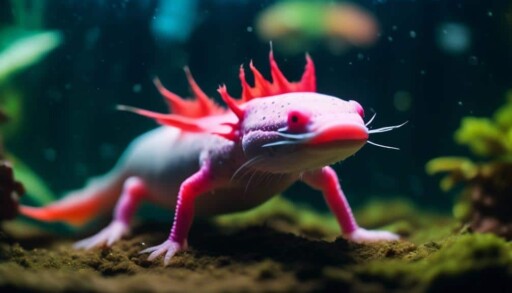
Social interaction plays a crucial role in the well-being and mental stimulation of axolotls, which leads to the exploration of the benefits of keeping them in groups.
The benefits of keeping axolotls in groups include:
- Social interaction benefits:
- Axolotls are social animals and thrive in the company of their own kind. Interacting with other axolotls allows them to engage in natural behaviors such as playing, exploring, and communicating.
- Group housing provides opportunities for social learning, where axolotls can observe and imitate the behavior of others, enhancing their cognitive development.
- Reproductive advantages:
- Keeping axolotls in groups increases the chances of successful breeding. The presence of multiple males and females allows for natural courtship and mating behaviors.
- Group housing also provides a more natural environment for egg laying and parental care, as multiple individuals can participate in caring for the eggs and raising the offspring.
Considerations for Axolotl Socialization
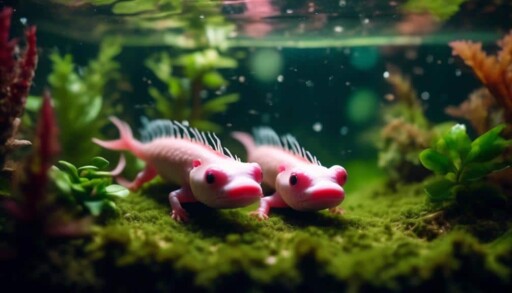
Considerations for promoting socialization in axolotls include providing appropriate tank size, suitable tank mates, and proper introduction methods.
Axolotls are social creatures and can benefit from companionship, but it is important to ensure that the tank is large enough to accommodate multiple axolotls. The recommended tank size for a pair of axolotls is at least 20 gallons, with an additional 10 gallons for each additional axolotl.
When selecting tank mates, it is crucial to choose species that have similar temperature and water parameter requirements. Popular tank mates for axolotls include small fish such as white cloud minnows and danios. However, it is important to note that axolotls are carnivorous and may view smaller tank mates as food.
When introducing new axolotls to an existing tank, it is recommended to do so gradually and monitor their behavior closely to ensure compatibility.
Additionally, it is important to consider axolotl breeding considerations when socializing them, as breeding can be a stressful process for these animals. Providing appropriate hiding spots and monitoring their behavior during breeding can help minimize stress and promote successful reproduction.


