
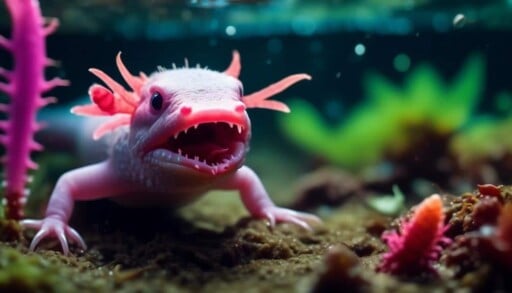
Axolotls, with their unique appearance and captivating nature, have become increasingly popular as pets. However, ensuring their well-being involves more than just providing a suitable habitat; their feeding routine also plays a crucial role.
The question of how often axolotls should eat is one that requires careful consideration, as it directly impacts their health and longevity. In this discussion, we will explore the various factors that influence the frequency of their meals, the signs of overfeeding or underfeeding to watch out for, and the recommended best practices for nourishing these fascinating creatures.
So, let's dive into the world of axolotl feeding and uncover the secrets to keeping them content and thriving.
Daily Feeding Frequency
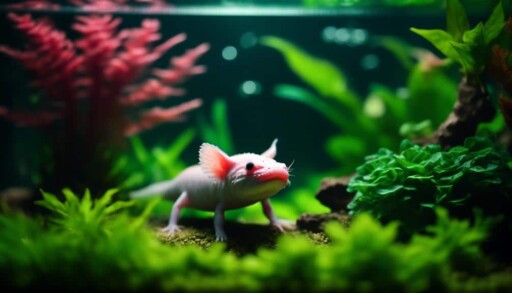
The recommended daily feeding frequency for axolotls is an important aspect to consider when providing them with proper nutrition. Axolotls are carnivorous amphibians that require a regular and balanced diet to thrive. The appropriate feeding amounts depend on the size and age of the axolotl.
Generally, adult axolotls should be fed once a day, while younger axolotls may require feeding twice a day to support their growth. It is essential to monitor their feeding schedule and adjust it accordingly. Overfeeding can lead to obesity and other health issues, while underfeeding can result in malnutrition.
Regular observation of the axolotl's body condition and behavior can help determine if any feeding schedule adjustments are necessary. By providing the right amount of food at the right frequency, axolotls can maintain optimal health and wellbeing.
Factors Affecting Feeding Schedule
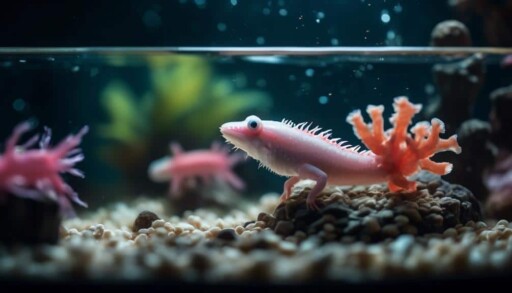
Feeding schedules for axolotls can be influenced by various factors that impact their nutritional needs and overall health. Understanding these factors is crucial for providing optimal care and ensuring the well-being of these unique amphibians.
Factors influencing feeding behavior:
- Age and size: Young axolotls have higher metabolic rates and require more frequent feedings compared to adults. Additionally, the size of the axolotl can affect the portion size and frequency of meals.
- Temperature: Axolotls are ectothermic, meaning their body temperature is regulated by their environment. Warmer temperatures increase their metabolic rate, thus requiring more frequent feedings.
Importance of proper nutrition:
- Growth and development: Axolotls rely on a balanced diet to support their growth and development, including the development of their limbs, gills, and overall body structure.
- Reproduction: Proper nutrition is essential for successful breeding and the production of healthy offspring.
Recommended Diet for Axolotls
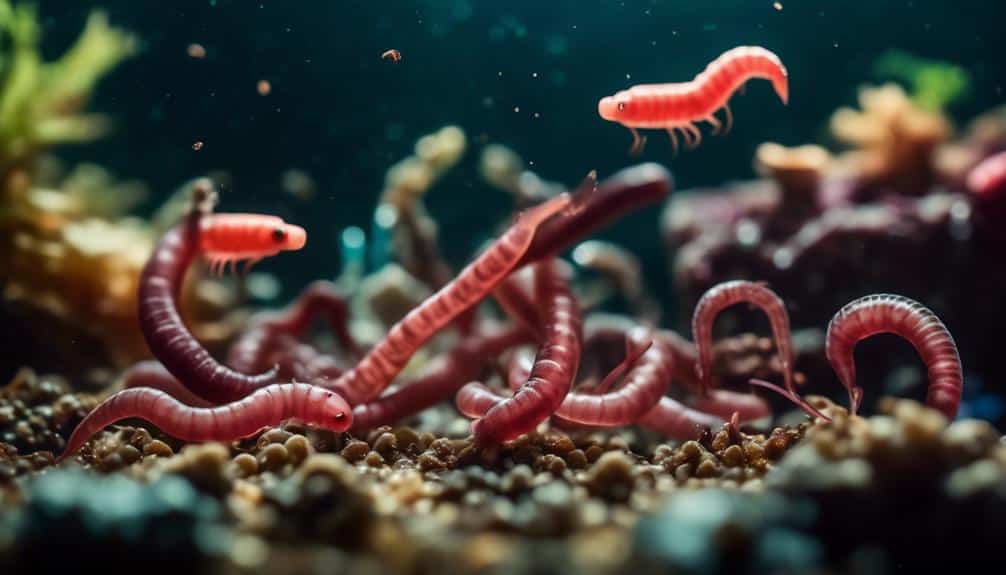
To ensure proper nutrition and support the health of axolotls, it is crucial to adhere to a recommended diet that meets their specific dietary requirements.
Axolotls are carnivorous amphibians and their natural diet consists of small invertebrates, such as insects, worms, and small crustaceans. Live food, such as earthworms and bloodworms, are highly beneficial for axolotls as they provide essential nutrients and stimulate natural hunting behaviors.
Live food also offers a higher nutritional value compared to frozen food, as freezing can cause some loss of nutrients. However, frozen food can still be a suitable option, especially for convenience and availability.
When feeding axolotls with feeder insects, it is important to properly gut load them. Gut loading involves feeding the insects with nutrient-rich foods to ensure that the axolotls receive a well-rounded diet.
This can be done by providing the feeder insects with vegetables, fruits, or specialized gut loading diets, which will transfer those nutrients to the axolotls when consumed.
Signs of Overfeeding or Underfeeding
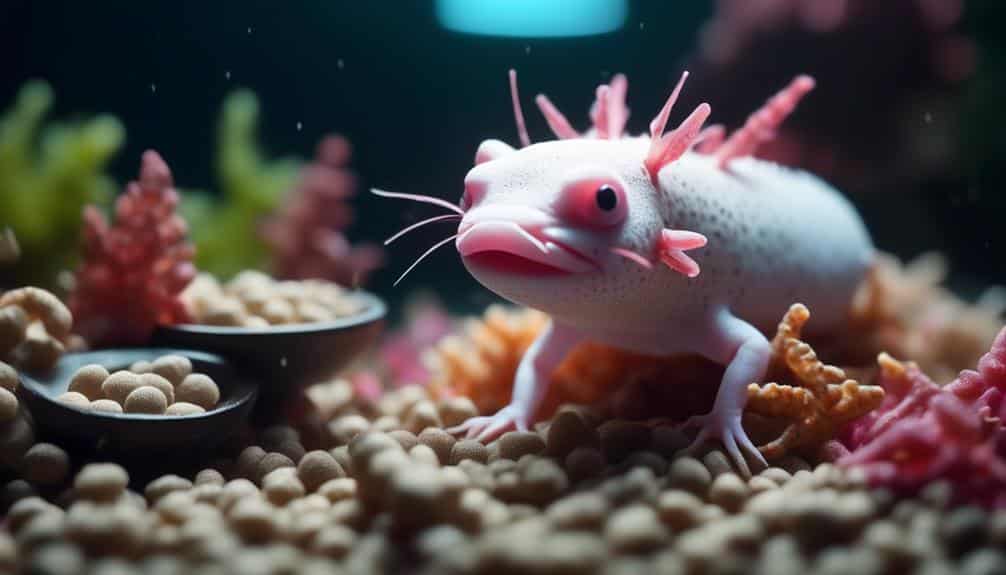
Axolotls' feeding habits can exhibit distinct signs of overfeeding or underfeeding, which are important to recognize in order to maintain their health and well-being. It is crucial to provide a balanced diet to axolotls to prevent malnutrition and promote optimal growth.
Here are some signs to watch out for:
- Symptoms of overfeeding:
- Bloated appearance
- Decreased activity level
- Foul-smelling water due to excess waste
- Obesity
- Symptoms of underfeeding:
- Visible weight loss
- Lethargy and lack of interest in food
- Sunken eyes
- Poor growth or stunted development
Maintaining a balanced diet is essential for axolotls' overall health. It is recommended to feed them a variety of live or frozen foods, such as bloodworms, brine shrimp, and daphnia, to ensure they receive the necessary nutrients. Monitoring their feeding habits and adjusting the amount of food accordingly will help prevent these symptoms and promote their well-being.
Best Practices for Feeding Axolotls
As we shift our focus to ensuring the optimal feeding practices for axolotls, it is crucial to establish a feeding routine that promotes their health and well-being.
Feeding schedule variations are essential to meet the specific dietary needs of axolotls. Young axolotls should be fed daily, while adult axolotls can be fed every two to three days. It is important to note that overfeeding must be avoided as it can lead to obesity and health issues.
Feeding techniques also play a significant role in axolotl care. To prevent accidental ingestion of substrate, it is recommended to use feeding dishes or tongs when offering food.
Additionally, axolotls are primarily carnivorous, so their diet should consist of high-quality live or frozen foods such as bloodworms, brine shrimp, and small fish.


