
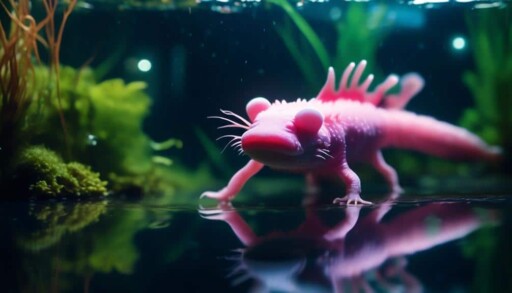
Axolotls, fascinating creatures native to Mexico, have gained popularity as pets in recent years. As responsible axolotl owners, it is crucial to provide them with the optimal conditions for their well-being.
One question that often arises is whether axolotls require a UV light source in their habitat. UV light plays a significant role in many reptiles' and amphibians' lives, but does the same hold true for our aquatic friends?
To fully understand the answer, we must explore the axolotl's natural habitat, the potential benefits of UV light, and the risks associated with its absence. By delving into these aspects, we can discern the importance of UV light for axolotls and how to ensure their thriving captive environment.
The Natural Habitat of Axolotls
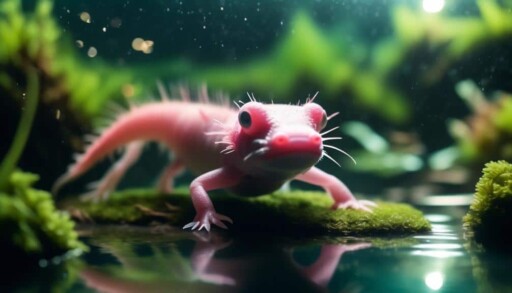
The natural habitat of axolotls is unique and diverse, providing them with the necessary conditions for their survival and flourishing.
These fascinating creatures are native to the ancient water system of Lake Xochimilco in Mexico City. This lake is characterized by its shallow water, abundant vegetation, and a complex network of canals and wetlands.
Axolotls are fully aquatic and rely on the water for their entire lifespan, which can range from 10 to 15 years in captivity. In the wild, they primarily feed on small aquatic invertebrates, such as insects, crustaceans, and worms. However, they are opportunistic predators and will also consume small fish if given the chance.
Their natural habitat provides them with ample food sources and shelter, allowing them to thrive and maintain a healthy population.
The Role of UV Light in Axolotl Health
In understanding the holistic health of axolotls, exploring the impact of UV light becomes crucial in comprehending the factors that contribute to their overall well-being. UV light plays a significant role in the health of axolotls by providing them with essential benefits. Here are three key points to consider:
- Importance of proper filtration for axolotl tanks: Axolotls produce a considerable amount of waste, and without proper filtration, the water quality can deteriorate rapidly. This can lead to stress, illness, and compromised immune systems.
- UV light and vitamin D synthesis: Axolotls, like many other aquatic animals, rely on UV light to synthesize vitamin D. Vitamin D is essential for calcium absorption, which is crucial for healthy bone development and overall growth.
- Common misconceptions about axolotl care: Some axolotl owners believe that UV light is unnecessary for their pets. However, without UV light, axolotls may not receive adequate vitamin D, leading to health issues such as weakened bones and immune deficiencies.
Understanding the role of UV light in axolotl health is crucial for providing optimal care and ensuring the well-being of these unique creatures.
Benefits of UV Light for Axolotls
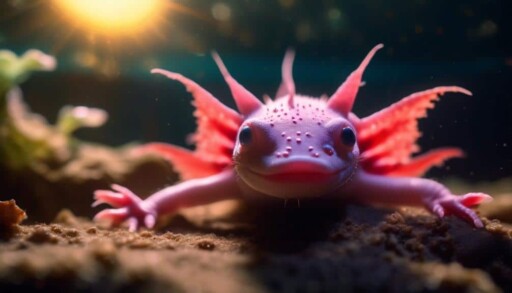
UV light provides a range of significant benefits for axolotls, contributing to their overall health and well-being. One of the most important benefits of UV light is its role in promoting vitamin D synthesis. Axolotls require adequate levels of vitamin D to maintain strong bones and proper metabolic function.
UV light exposure stimulates the production of vitamin D, which helps prevent bone diseases such as metabolic bone disease. Additionally, UV light has been shown to enhance axolotls' immune system, making them more resistant to diseases and infections.
It also promotes natural behaviors, such as foraging and hunting, by mimicking natural sunlight conditions. To provide UV light for axolotls in captivity, UVB fluorescent bulbs or sunlight simulation bulbs can be used as UV light sources for axolotl tanks.
These bulbs should be positioned above the tank to ensure proper exposure and should be replaced regularly to maintain their effectiveness.
Potential Risks of Not Using UV Light
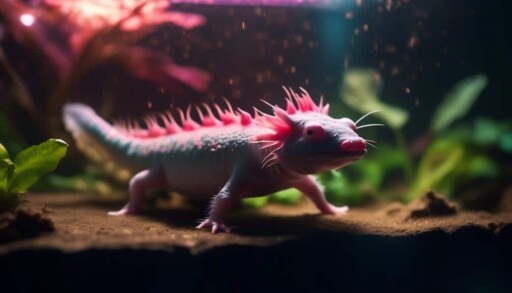
Lack of adequate UV light exposure for axolotls can pose potential risks to their overall health and well-being. Axolotls are known to have a dependence on UV light for their metabolic processes and overall growth. Without sufficient UV light, axolotls may experience the following consequences:
- Vitamin D deficiency: UV light is essential for axolotls to synthesize vitamin D, which is crucial for calcium absorption and bone development. Without enough vitamin D, axolotls may develop weakened bones and stunted growth.
- Weakened immune system: UV light exposure helps stimulate the production of certain immune cells in axolotls, enhancing their ability to fight off infections and diseases. Without this exposure, axolotls may become more susceptible to illnesses.
- Altered behavior and stress: Axolotls rely on natural light cycles to regulate their behavior and maintain a healthy circadian rhythm. Insufficient exposure to UV light may disrupt their natural behavior patterns and cause stress.
It is important to provide axolotls with the appropriate UV light to mitigate these risks and ensure their well-being.
How to Properly Provide UV Light for Axolotls
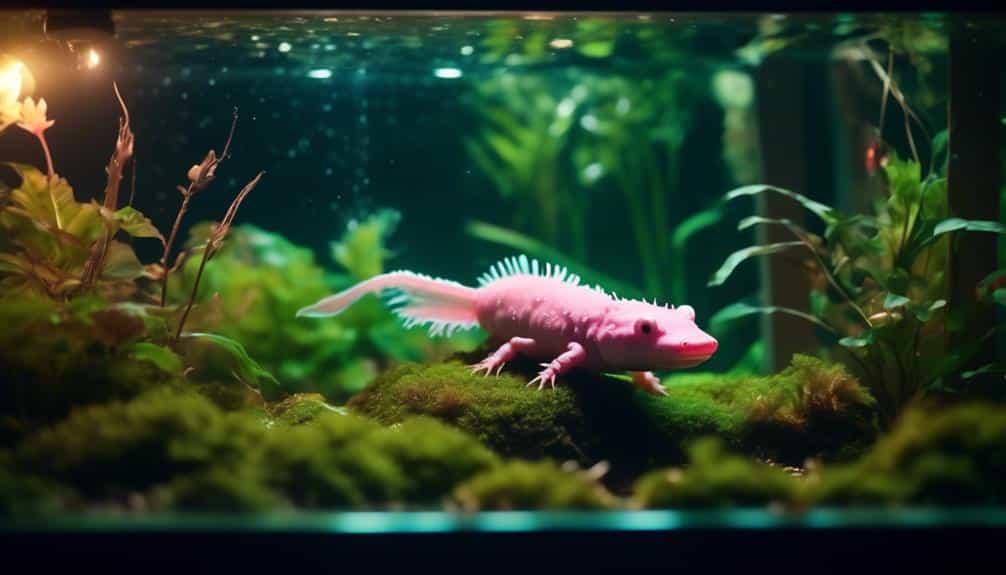
To ensure proper UV light exposure for axolotls, it is essential to implement a well-designed lighting system that meets their specific needs.
When setting up the lighting for axolotls, it is recommended to use a UVB bulb specifically designed for reptiles and amphibians. These bulbs emit appropriate levels of UVB radiation, which is necessary for the synthesis of vitamin D3 in axolotls.
The lighting setup should include a UVB bulb, a heat source, and a regular light source to mimic the natural day-night cycle.
It is important to place the bulbs at the appropriate distance from the axolotls to ensure they receive the necessary UV light without being exposed to excessive heat.
UV light alternatives, such as natural sunlight or full-spectrum bulbs, can also be considered, but they may not provide the same level of UVB radiation as specialized UVB bulbs.


