
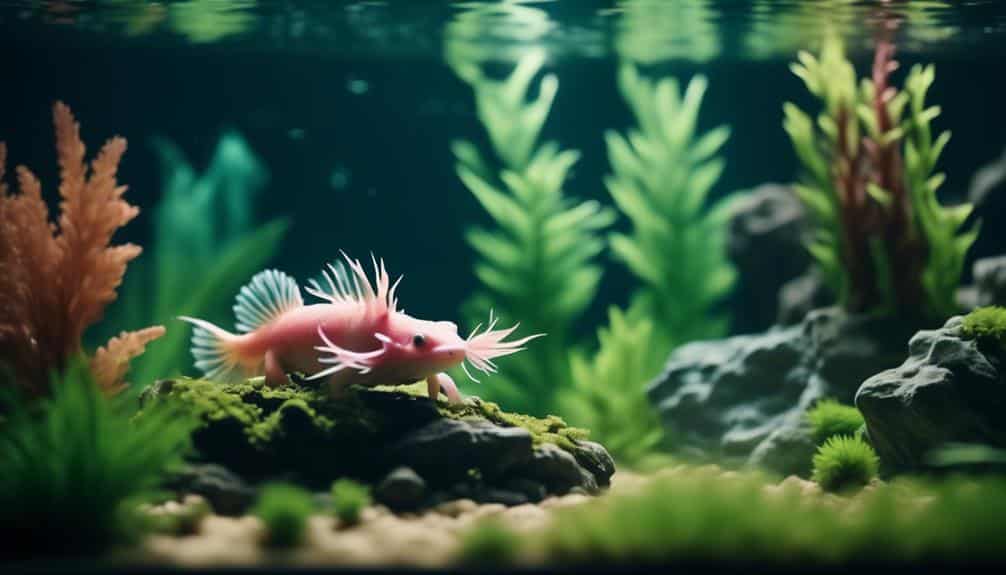
When it comes to creating a suitable habitat for axolotls, proper filtration is a topic of debate among enthusiasts and experts. While some argue that these amphibians can thrive without a filter, others emphasize the importance of maintaining optimal water quality for the health and well-being of axolotls.
In this discussion, we will explore the reasons why filtration may be necessary, the role filters play in maintaining water quality, and the factors to consider when choosing the right filter for your axolotl tank.
By understanding the benefits of using a filter and the tips for proper maintenance, we will delve into the complexities of this topic and shed light on the question: do axolotls truly need a filter?
Importance of Filtration for Axolotl Tanks
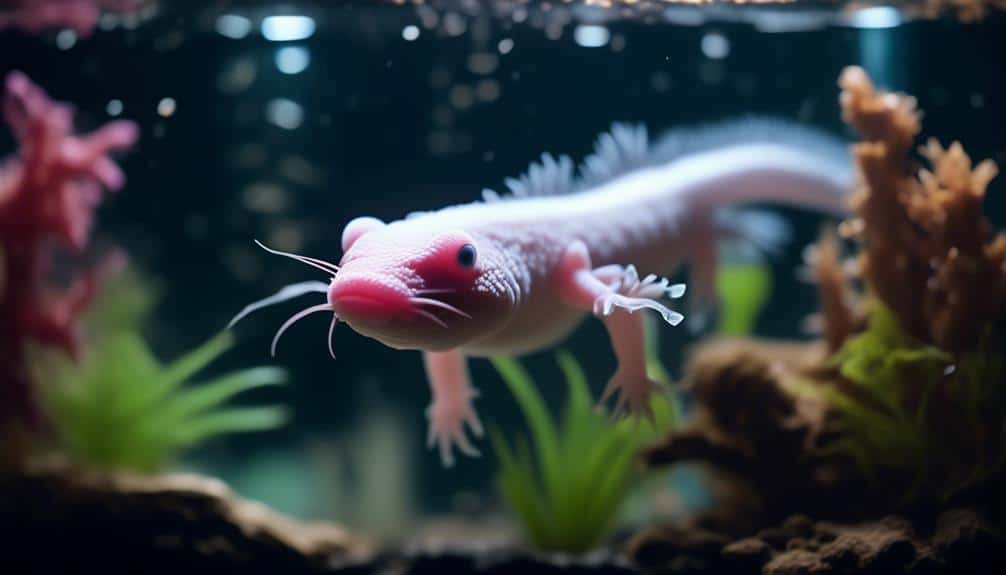
The implementation of an efficient filtration system in axolotl tanks is crucial for maintaining optimal water quality and ensuring the overall health and well-being of these unique amphibians. Water circulation plays a vital role in the filtration process, as it helps to distribute oxygen and nutrients evenly throughout the tank while removing harmful waste products.
A well-designed filtration system also promotes biological filtration, which is essential for breaking down organic matter and converting toxic ammonia into less harmful substances. This process is facilitated by the growth of beneficial bacteria on various filter media, such as sponge or ceramic rings, which provide a large surface area for bacterial colonization. These bacteria play a crucial role in maintaining the nitrogen cycle, which is essential for keeping the water conditions stable and safe for axolotls.
Therefore, ensuring proper water circulation and implementing an effective biological filtration system is essential for the long-term health and well-being of axolotls.
The Role of Filters in Maintaining Water Quality
A well-functioning filtration system is paramount in maintaining optimal water quality for axolotls. Axolotls are sensitive to water conditions, and a filter plays a crucial role in keeping the tank water clean and free from harmful substances. Filters remove debris, excess food, and metabolic waste, preventing the accumulation of toxins that could harm axolotls. Additionally, filters aid in the oxygenation of the water, promoting the overall health and well-being of these aquatic creatures.
However, it is essential to consider the pros and cons of using live plants in axolotl tanks. While live plants can enhance water quality by absorbing nitrates and providing natural hiding places, they may also increase the risk of disease transmission.
Moreover, maintaining the appropriate water temperature is vital for axolotl health, as they thrive in cooler water temperatures between 60-68°F (15-20°C). Failure to regulate water temperature may lead to stress, weakened immune systems, and even death.
Factors to Consider When Choosing a Filter for Axolotls
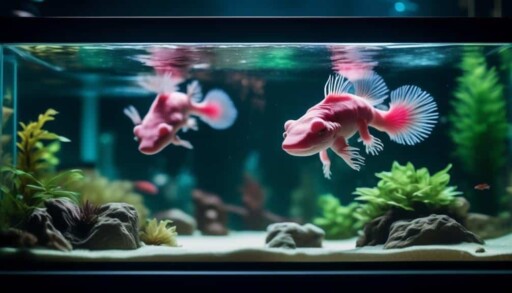
When selecting a filter for axolotls, it is crucial to consider various factors to ensure optimal water quality and the well-being of these aquatic creatures.
For small axolotl tanks, there are several filter options available. One important factor to consider is the filtration capacity of the filter. Axolotls produce a significant amount of waste, so a filter that can handle the tank's volume and efficiently remove debris is essential.
Additionally, the filter should have a low flow rate to prevent strong currents that may stress or harm juvenile axolotls. Another factor to consider is the type of filter media used. Biological filtration media that provide a large surface area for beneficial bacteria to colonize is highly recommended.
Benefits of Using a Filter in Axolotl Tanks
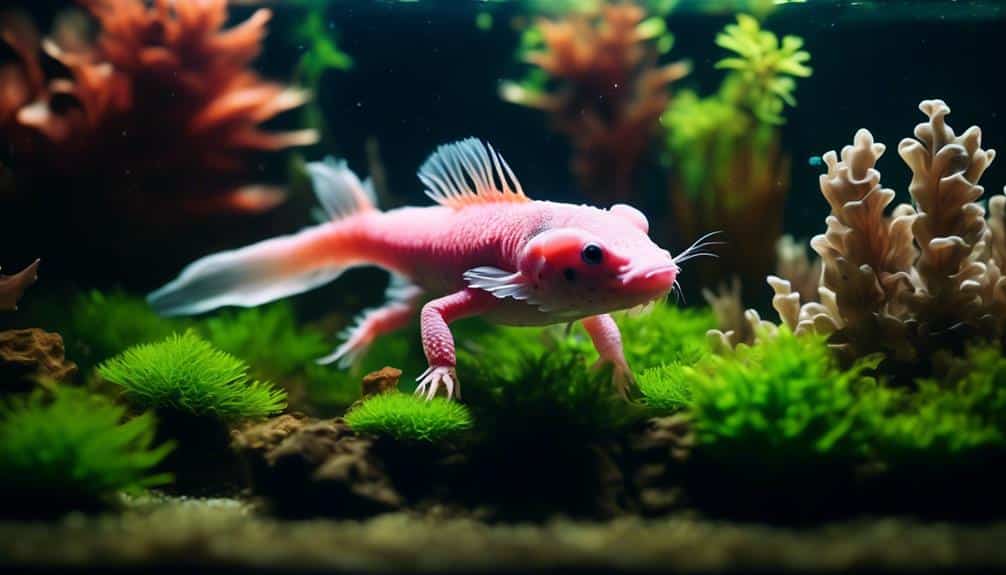
Considering the importance of maintaining optimal water quality and the well-being of axolotls, the use of a suitable filter in their tanks offers numerous benefits.
Filters in axolotl tanks help to maintain a clean and healthy environment by removing debris, uneaten food, and waste, preventing the accumulation of harmful substances such as ammonia and nitrites. This is particularly important for axolotls, as they are sensitive to water quality and can suffer from stress or illness if exposed to poor conditions.
Additionally, filters promote water circulation, oxygenation, and the establishment of beneficial bacteria, which aid in biological filtration and the breakdown of harmful compounds. However, it is crucial to choose a filter that provides gentle water flow to avoid stressing the axolotls.
While filterless tanks may be an option, they require more frequent water changes and meticulous monitoring of water parameters, which can be time-consuming and challenging.
Tips for Proper Filter Maintenance for Axolotl Tanks
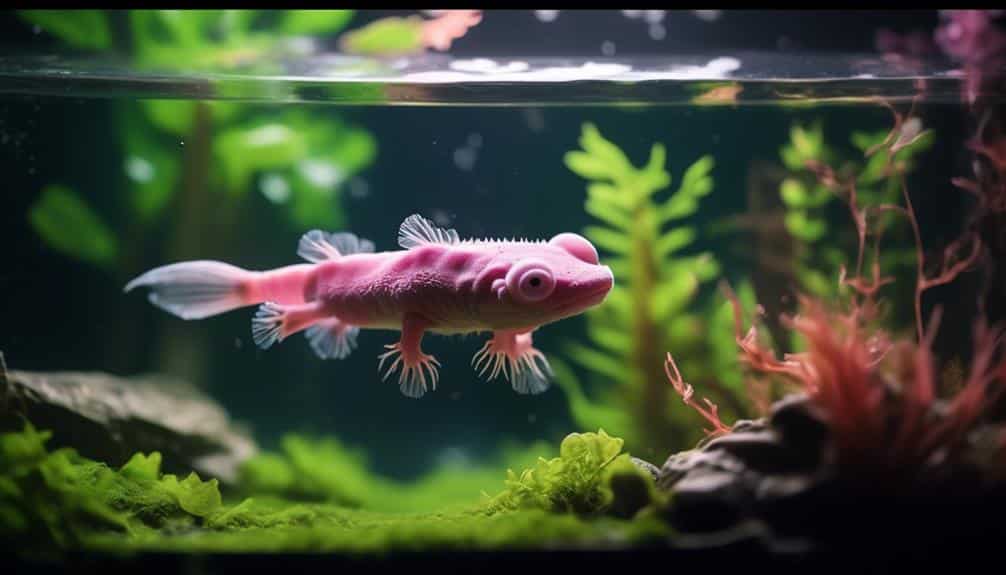
Proper maintenance of filters in axolotl tanks is essential for ensuring optimal water quality and the overall health of axolotls. To maintain a healthy filtration system, here are some important tips to consider:
- Regular filter cleaning: It is crucial to clean the filter regularly to prevent debris and waste buildup, which can affect water quality. Cleaning frequency may vary depending on the filter type and the tank's bio-load.
- Filter media selection: Choosing the right filter media is vital. Biological filter media, such as ceramic rings or bio balls, provide a surface for beneficial bacteria to grow and aid in the nitrogen cycle. Mechanical filter media, like filter pads, help to capture solid waste particles.
- Avoid overcleaning: While regular maintenance is crucial, excessive cleaning can disrupt the beneficial bacteria colonies that contribute to water quality. It is important to strike a balance between cleanliness and preserving the biological filtration process.
- Monitor water parameters: Regularly test water parameters such as ammonia, nitrite, nitrate, and pH levels to ensure the filtration system is functioning effectively. Adjustments may be necessary depending on the results.


