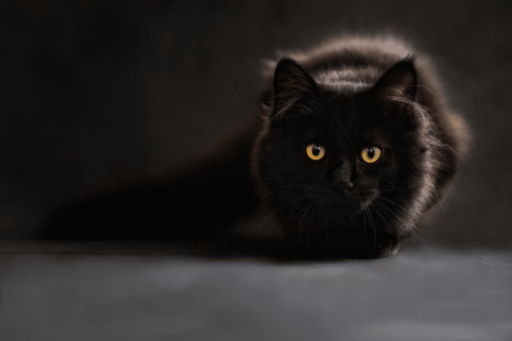
cat body language and grooming habits can help explain why cats enjoy a good backside scratch.
Cats use various forms of communication to express their needs and desires, and one way they do this is through body language. When a cat presents its hindquarters to you, it’s actually a sign of trust and affection. By exposing this vulnerable area, your kitty is showing that it feels safe in your presence.
Scratching their butt helps them spread their natural scent, which reinforces the bond between you two.
Furthermore, cats are meticulous groomers by nature. They spend a significant amount of time cleaning themselves, but sometimes they need a little extra help reaching certain areas. When you scratch their lower back or tail base, it mimics the sensation of being groomed by another cat. This pleasurable feeling triggers an instinctual response in cats and can be quite soothing for them.
So next time your feline buddy demands a butt scratch session, remember that it’s not just about satisfying an itch—it’s about trust and bonding through shared grooming behaviors.
The Sensitive Nature of a Cat’s Behind
When it comes to a cat’s behind, there’s more than meets the eye.
This area of a cat’s body is home to an abundance of nerve endings and sensitive areas, which can explain their seemingly insatiable desire for butt scratches.
Additionally, a cat’s behind serves as an important tool for scent marking and communication within their social group, allowing them to leave their unique scent and convey messages to other cats in the vicinity.
Nerve Endings and Sensitive Areas
If you scratch your cat’s butt just right, you’ll find yourself in the presence of nerve endings so sensitive they could rival a superhero’s superpower. Cats have an abundance of nerve endings in their behinds, making it a particularly sensitive area for them.
These nerve endings are connected to the sacral and coccygeal nerves, which run through the spine and control various bodily functions. When these nerves are stimulated by scratching, it can create pleasurable sensations for cats.
Here are five important things to know about the sensitivity of a cat’s behind:
- The nerve endings in this area can provide intense pleasure when stimulated.
- Scratching can activate these nerve endings and release endorphins, which make cats feel good.
- Cats may exhibit specific behaviors like raising their hindquarters or purring when their butt is scratched because of the pleasurable sensations they experience.
- It’s important to approach a cat’s behind with caution and respect their personal boundaries, as not all cats enjoy having this area touched.
- Understanding a cat’s individual preferences for scratching will help strengthen your bond with them and provide them with comfort and enjoyment.
Scent Marking and Communication
Scent marking is a fascinating way for cats to communicate and establish their territory. Cats have scent glands located in various parts of their body, including the anal area. By scratching their butt, they release pheromones that carry important information about themselves to other cats. These pheromones contain behavioral cues that can indicate things like the cat’s gender, reproductive status, and social hierarchy within a group.
Territorial marking is an instinctual behavior in cats that helps them claim and defend their territory. This behavior is especially important for outdoor cats who need to protect their resources from other feline intruders. When a cat scratches its butt on objects in its environment, it leaves behind its unique scent signature, effectively saying “this is mine.”
To help you understand this concept better, here’s an emotion-evoking table:
| Emotion |
Definition |
| Curiosity |
A strong desire to know or learn something |
| Fascination |
The feeling of being extremely interested or attracted by something |
| Intrigue |
Arouse the curiosity or interest of; fascinate |
By incorporating these behaviors into our understanding of why cats like their butt scratched, we can gain insight into the complex world of feline communication and territoriality.
The Pleasure of a Good Scratch
To truly understand the pleasure of a good scratch, you must indulge your feline friend’s desire to have their butt gently caressed. Cats have specific preferences when it comes to being scratched, and their behinds are no exception. Here are four reasons why cats enjoy having their butt scratched:
-
Sensitive nerve endings: The area around a cat’s tail contains numerous nerve endings that can be stimulated through gentle scratching, providing them with pleasurable sensations.
-
Grooming assistance: Cats groom themselves extensively, but reaching certain areas like their lower backs and hindquarters can be challenging. By allowing you to scratch their behinds, cats are essentially seeking your help in maintaining cleanliness.
-
Social bonding: In the world of cat behavior, grooming plays a crucial role in socialization. When you scratch your cat’s butt, it mimics the grooming actions performed by other cats during mutual grooming sessions. This helps strengthen the bond between you and your feline companion.
-
Endorphin release: Scratching triggers the release of endorphins in cats’ brains, which are natural feel-good chemicals that promote relaxation and contentment.
By understanding these reasons behind cats’ enjoyment of a good butt scratch, you can provide them with an enriching and satisfying experience while strengthening your bond with them at the same time.
Bonding and Trust
When you take the time to bond with your feline friend and build trust, you’ll experience a deeper connection that will bring you both immeasurable joy. Cats are known for their independent nature, but they still crave social interaction and affection. By scratching their butt, you are not only providing physical pleasure but also building a strong relationship with your furry companion.
A study conducted by animal behaviorists found that cats exhibit a behavior called “allo-grooming,” which is mutual grooming between individuals of the same species. When you scratch your cat’s butt, it mimics this natural behavior and allows them to reciprocate affection towards you.
Incorporating a regular bonding routine that includes butt scratching can strengthen the bond between you and your cat. It shows them that you trust each other and enjoy spending time together. So next time your cat presents their behind for a good scratch, embrace the opportunity to deepen your connection and share moments of pure happiness.
| Benefit of Butt Scratching |
| 1. Strengthened Bond |
| 2. Mutual Affection |
| 3. Increased Trust |
| 4. Enhanced Happiness |
| 5. Deeper Connection |
The Importance of Proper Scratching Techniques
When it comes to scratching a cat, it’s important to be aware of the potential for overstimulation. Cats have sensitive skin and can become overwhelmed if scratched too vigorously or for too long.
Additionally, respecting a cat’s personal space is crucial in maintaining trust and avoiding any potential aggression or discomfort.
By using proper scratching techniques, you can ensure a positive experience for both you and your feline friend.
Avoiding Overstimulation
If you scratch a cat’s butt too vigorously, they may become overstimulated. It is important to understand feline body language and be mindful of their reactions during scratching sessions. Overstimulation can lead to aggression or discomfort in cats, so it is crucial to avoid crossing their boundaries. To help you better understand your cat’s needs, let’s take a look at a table that outlines some common feline body language cues:
| Body Language |
Meaning |
| Ears flattened |
Agitation or fear |
| Tail twitching |
Irritated or annoyed |
| Purring |
Contentment or pleasure |
By paying attention to these signals, you can gauge whether your cat enjoys the scratching or if they are becoming overstimulated. Remember to provide gentle and controlled scratches, allowing your furry friend to dictate the intensity they prefer. This will ensure a positive and enjoyable experience for both you and your cat while preventing any potential aggression.
Respecting a Cat’s Personal Space
Respecting a cat’s personal space means being aware of their boundaries and giving them the space they need. Cats, like any other animals, have their own preferences when it comes to physical contact. It is important to understand that not all cats enjoy being touched or scratched in certain areas, such as their butt.
While some cats may tolerate or even enjoy this type of interaction, others may find it uncomfortable or intrusive. It is crucial to pay attention to feline body language and cues to establish boundaries and avoid overstimulation. Signs of discomfort include tail flicking, flattened ears, dilated pupils, or attempts to move away.
By respecting a cat’s personal space and understanding their individual preferences, you can create a harmonious relationship based on mutual trust and respect.
Post Views: 27