cats, but they have their unique ways of showing that they feel comfortable and content in their environment. Some signs of affection in bearded dragons include:
- Head bobbing: Bearded dragons may bob their heads up and down as a sign of recognition and acceptance.
- Arm waving: When a bearded dragon waves its arm, it is a way of signaling submission and trust.
- Licking: Bearded dragons may lick their owners as a way of exploring their surroundings and showing trust.
To create a bond with your bearded dragon, it is important to engage in positive interactions and spend time with them daily. Regular handling, gentle stroking, and offering treats can help build trust and strengthen the bond between you and your pet.
Different Forms of Physical Interaction
Engaging in various forms of physical interaction with bearded dragons, such as gentle petting and hand-feeding, can help foster a sense of trust and companionship between owners and their reptile pets. It is important to handle bearded dragons gently, as they have delicate bodies and can easily become stressed or injured. When petting your bearded dragon, use slow and smooth motions, avoiding any rough or sudden movements. This will allow them to feel comfortable and safe in your presence. Additionally, hand-feeding your bearded dragon can be a great way to bond with them. You can offer them small pieces of fruits, vegetables, or insects, allowing them to eat from your hand. This not only provides them with a tasty treat but also establishes a positive association with your presence. Remember, every bearded dragon is unique, so it’s important to observe their reactions and adjust your interactions accordingly.
The Science Behind Bearded Dragon Reactions
How do bearded dragons react to different stimuli, and what scientific explanations can be provided for their reactions? Bearded dragons have a unique way of communicating and expressing themselves through body language. Here are some scientific explanations for their reactions:
-
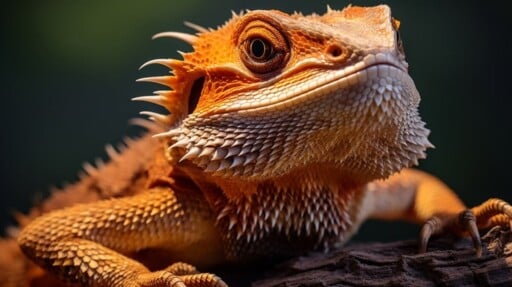
Puffing up their beards: This behavior, known as “bearding,” is a defensive display. When a bearded dragon feels threatened or intimidated, it puffs up its beard to appear larger and more intimidating to potential predators or rivals.
-
Head bobbing: Head bobbing is a common behavior in male bearded dragons during mating season. It is a form of communication used to establish dominance and attract potential mates. The faster and more vigorous the head bobbing, the more confident the male is.
-
Arm waving: Bearded dragons may wave one or both of their front legs in a slow, rhythmic motion. This behavior is often seen when they are trying to communicate submission or appeasement to a more dominant individual.
Understanding bearded dragon communication and body language is crucial for their well-being and to create a harmonious environment for these fascinating reptiles.
Tips for Bonding With Your Bearded Dragon
Developing a strong bond with your bearded dragon is essential for their socialization and overall well-being. Building trust is a crucial aspect of this process. To begin, it is important to create a safe environment for your pet. Bearded dragons thrive in an enclosure that mimics their natural habitat, so ensure proper temperature, lighting, and substrate. Additionally, provide hiding spots and secure the enclosure to prevent any potential harm. Spend time near the enclosure, talking softly and moving slowly to avoid startling your dragon. Gradually introduce hand-feeding and gentle petting, always respecting their boundaries. Consistency and patience are key when bonding with your bearded dragon. Remember, each dragon is unique, so it’s important to observe their body language and adjust your approach accordingly. With time and effort, a strong bond can be formed, leading to a happy and trusting relationship with your bearded dragon.
Post Views: 20