
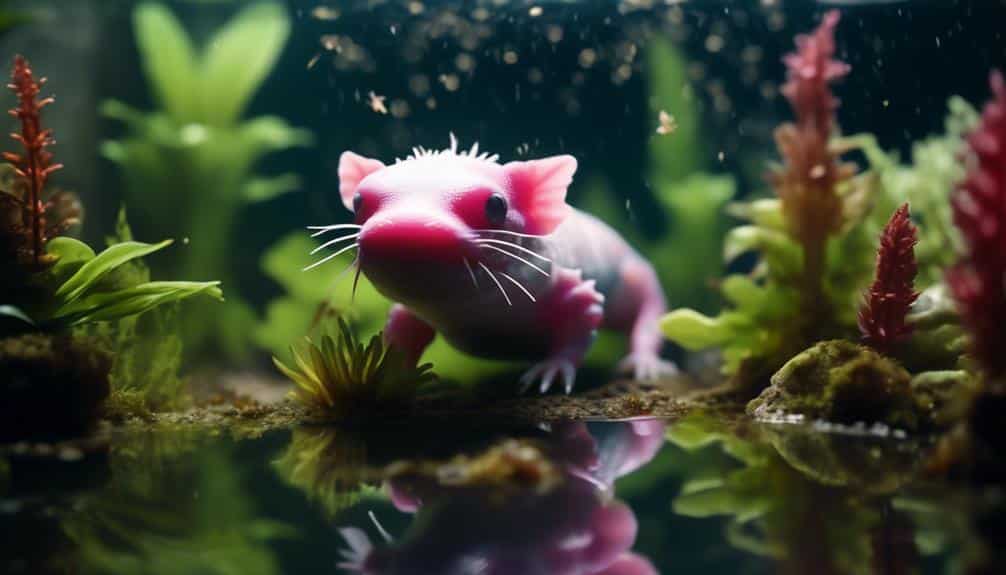
The axolotl, a unique amphibian native to Mexico, has captivated scientists and nature enthusiasts alike with its extraordinary ability to protect itself. While many creatures rely on basic defense mechanisms, the axolotl takes self-preservation to a whole new level.
From regenerative abilities that border on the miraculous to clever camouflage techniques and toxic skin secretions, the axolotl possesses an arsenal of survival tactics that leave us in awe. But that's not all – there are even more intriguing ways in which these enigmatic creatures safeguard themselves, and we will explore them in this discussion.
Prepare to be amazed as we unravel the fascinating world of axolotl self-defense.
Regenerative Abilities
The axolotl possesses remarkable regenerative abilities that enable it to regrow complex tissues and organs, making it a subject of great interest in the field of regenerative medicine.
Tissue regeneration in axolotls is a highly orchestrated process that involves the activation of specific signaling pathways and the recruitment of various cell types.
When an axolotl loses a limb, for example, the regeneration process begins with the formation of a specialized structure called a blastema. The blastema consists of a mass of undifferentiated cells that have the capacity to differentiate into the various tissues required for limb regeneration.
The axolotl's regenerative abilities also extend to other organs, including the heart, spinal cord, and eyes.
Understanding the mechanisms underlying tissue and limb regeneration in axolotls may provide valuable insights for the development of regenerative therapies in humans.
Camouflage Techniques
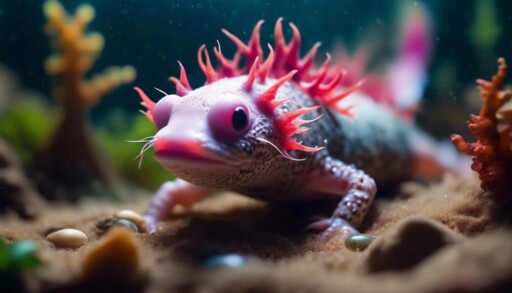
Camouflage techniques employed by the axolotl serve as a vital adaptation for its survival in its natural habitat. These techniques primarily involve adaptive coloration, which allows the axolotl to blend in with its surroundings and remain inconspicuous to potential predators.
Axolotls have the remarkable ability to change the color of their skin, which helps them match the environment they inhabit. They can range in color from pale pink to dark brown, depending on factors such as water temperature, light intensity, and substrate color. This adaptive coloration enables them to effectively avoid predators and increases their chances of survival.
Toxic Skin Secretions
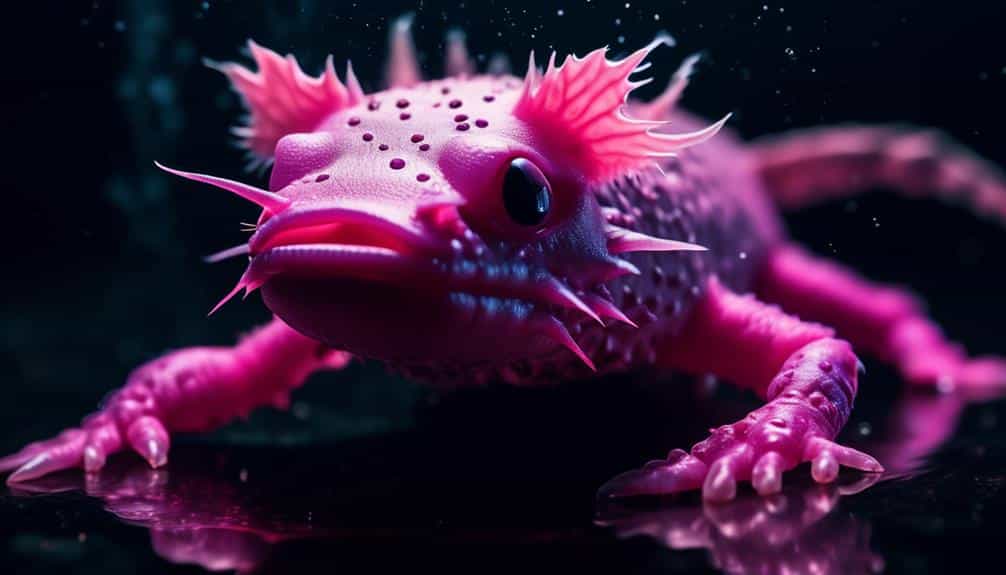
Building on the axolotl's remarkable ability to adapt its coloration for camouflage, another crucial aspect of its self-protection lies in its ability to produce toxic skin secretions. These secretions serve as a chemical defense mechanism against potential predators, aiding in predator avoidance. The toxic compounds found in the axolotl's skin secretions are known to deter or even harm predators, making them think twice before attempting to prey on these fascinating creatures.
To illustrate the potency of these toxic skin secretions, the following table provides an overview of some of the key compounds found in axolotl secretions and their effects on predators:
| Compound | Effect on Predators |
|---|---|
| Tetrodotoxin | Causes paralysis and respiratory failure |
| Maculotoxin | Induces muscle spasms and convulsions |
| Batrachotoxin | Results in cardiac arrest and death |
Feathery Gills for Respiration
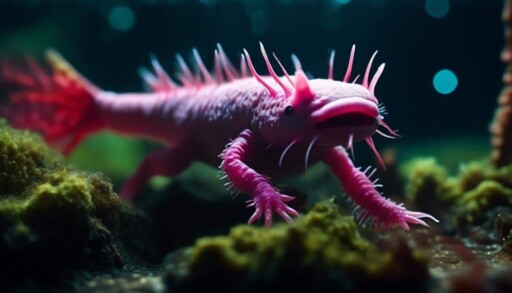
Adapting to its aquatic environment, the axolotl possesses a remarkable respiratory system characterized by feathery gills that enable efficient respiration. These gills are an essential part of the axolotl's anatomy, allowing it to extract oxygen from the water and release carbon dioxide.
The gill structure of the axolotl consists of thin, delicate filaments that are covered in tiny, finger-like projections called filaments. These filaments increase the surface area available for gas exchange, ensuring that the axolotl can obtain enough oxygen to support its metabolic needs.
Water filtration is another crucial function of the axolotl's gills. As water passes over the gills, the feathery structures trap particles and debris, preventing them from entering the respiratory system. This filtration process helps to maintain the cleanliness of the axolotl's respiratory system and ensures the efficient exchange of gases.
Burrowing and Hiding Behavior
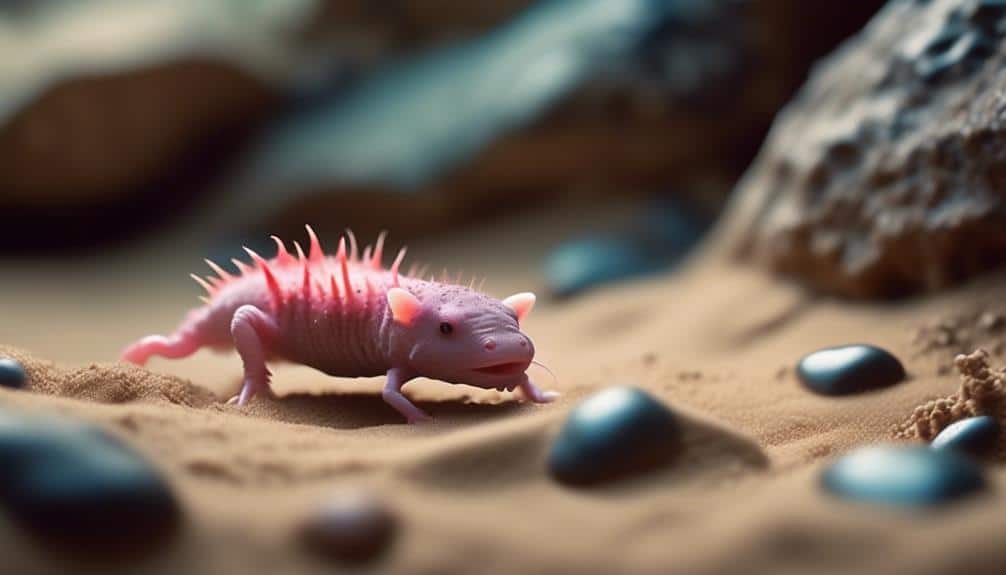
The axolotl's remarkable ability to adapt to its environment extends beyond its respiratory system, as it also exhibits fascinating burrowing and hiding behavior.
These behaviors are essential for predator avoidance and environmental adaptations. Axolotls are skilled burrowers, using their strong limbs and shovel-shaped heads to dig tunnels in the substrate. By burrowing, they create hiding places that provide protection from predators and extreme temperatures.
Additionally, axolotls have the ability to hide among aquatic vegetation, rocks, and debris, camouflaging themselves to blend into their surroundings. This behavior helps them remain undetected by potential threats.
The axolotl's burrowing and hiding behavior are crucial survival strategies that allow them to navigate and thrive in their natural habitats. Understanding these behaviors provides insight into the fascinating adaptive abilities of this unique amphibian.


