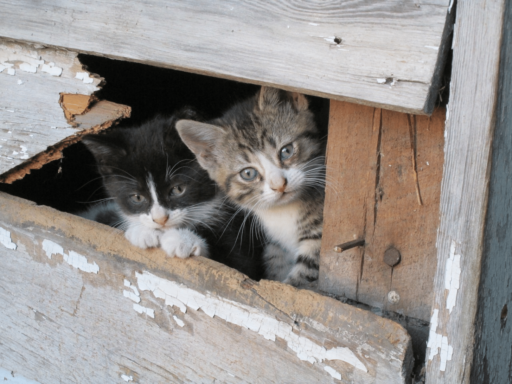
cats need a balanced diet consisting of high-quality cat food that meets their nutritional needs. Make sure to feed them at the same time every day to maintain consistency.
Next, create a suitable shelter and sleeping area for your barn cat. This can be a cozy corner in the barn or an insulated outdoor shelter with bedding to keep them warm during colder months. Ensure that the shelter is protected from harsh weather conditions and predators.
Remember, safety is key when setting up your barn cat’s environment. Keep harmful substances out of reach, secure any potential hazards, and regularly inspect the area for any signs of danger.
By providing a comfortable space with proper nutrition, you’ll set your barn cat up for success in their new home.
Establish a Bond and Trust with Your Barn Cat
To build a strong connection with your feline companion, start by earning their trust and respect. Building confidence in your barn cat is crucial for a successful training experience. Spend time with them daily, offering treats and gentle petting to establish positive associations.
Create a consistent routine to help them feel secure and comfortable in their new environment.
When introducing a new barn cat to existing animals, proceed with caution. Start by keeping them separated and gradually allow supervised interactions. This will give them time to get used to each other’s scents and presence without feeling overwhelmed or threatened.
Remember, patience is key when establishing a bond with your barn cat. It may take time for them to fully trust you and adjust to their surroundings. By providing love, care, and understanding, you can create a lasting connection that will benefit both you and your furry friend.
Teach Essential Commands and Behaviors
Mastering essential commands and behaviors is crucial in developing a strong bond with your feline friend and ensuring a harmonious partnership. When training your barn cat, it’s important to use reward-based training methods.
Positive reinforcement, such as treats or praise, will motivate your cat to learn and perform desired behaviors. Start by teaching simple commands like ‘sit’ or ‘come.’ Use consistent verbal cues and rewards to reinforce these commands.
Additionally, litter box training is essential for a barn cat’s hygiene and convenience. Place the litter box in a quiet area of the barn, away from their food and sleeping areas. Show them where it is and gently place them inside after meals or naps. Reward them when they use the litter box correctly.
Consistency, patience, and positive reinforcement are key when teaching essential commands and behaviors to your barn cat.
Address Common Behavioral Issues
When addressing common behavioral issues, you can easily create a peaceful and cooperative environment with your feline friend.
One of the most common problems is litter box issues. To solve this, ensure that the litter box is clean and easily accessible for your barn cat. Additionally, try different types of litter to find one that your cat prefers.
If aggression towards other animals is an issue, it’s important to manage it effectively. Provide separate spaces for your barn cat and other animals to avoid territorial disputes. Gradual introductions and positive reinforcement can also help reduce aggression over time.
Remember to never punish your cat for these behaviors as it may worsen the problem. With patience and consistent training, you can address these behavioral issues and build a strong bond with your barn cat.
Maintain Regular Vet Check-ups and Care
Regular vet check-ups and proper care are crucial for ensuring the health and well-being of your feline companion. They deserve the same level of attention and affection as any beloved family member. To maintain their overall health, there are three important aspects you should focus on:
-
Preventative Medicine: Regular check-ups allow the vet to catch any potential issues early on, preventing them from becoming more serious. This includes routine examinations, blood work, and fecal tests.
-
Importance of Vaccinations: Vaccines help protect your barn cat from common diseases such as rabies, feline leukemia, and distemper. Keeping up with their vaccinations is vital to ensure their immunity remains strong.
-
Dental Care: Oral health is often overlooked but plays a significant role in your cat’s overall well-being. Regular dental cleanings can prevent gum disease and tooth decay.
By prioritizing these aspects of care, you can provide the best possible life for your barn cat while also keeping them healthy and happy for years to come.
Post Views: 18