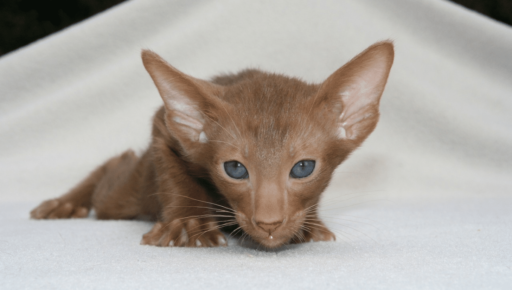
By identifying these common triggers, cat owners can take appropriate measures to manage their kitten’s aggressive behavior. This may include providing a safe and calm environment, gradual desensitization and positive reinforcement training techniques, and seeking veterinary assistance if necessary.
Providing proper socialization and training for kittens is essential in addressing their aggressive behavior.
Positive reinforcement techniques, such as rewarding good behavior with treats or praise, can help shape desired behaviors and discourage aggression.
Redirecting aggressive behavior onto appropriate outlets, such as providing interactive toys or engaging in play sessions, can channel their energy in a positive way.
Consistency and patience are key in the process of socializing and training kittens, as it may take time for them to learn new behaviors and overcome aggression tendencies.
Positive reinforcement techniques can be effective in addressing aggressive behavior in kittens. Training rewards, such as treats or praise, can be used to reinforce desired behaviors and encourage the kitten to repeat them. This type of behavior modification focuses on rewarding positive actions rather than punishing negative ones.
By consistently rewarding good behavior, the kitten learns that certain actions lead to pleasant outcomes. This helps to build a positive association and reinforces the desired behavior over time. It is important to note that consistency is key when using positive reinforcement techniques.
Additionally, it is recommended to seek guidance from a professional trainer or veterinarian who specializes in cat behavior to ensure proper implementation of these techniques. With patience and commitment, positive reinforcement can help redirect aggressive behaviors and promote a harmonious relationship between you and your kitten.
To effectively redirect aggressive behavior in kittens, it is crucial to implement appropriate techniques that promote a safe and harmonious environment for both the pet and the owner. Managing biting behavior is one important aspect of redirecting aggression.
When a kitten bites, it is important not to punish or yell at them, as this may increase their aggression. Instead, gently remove your hand or object from their mouth and replace it with an appropriate toy or chew treat. By consistently redirecting their biting towards acceptable objects, kittens can learn what behaviors are acceptable.
Redirecting scratching behavior is another key aspect of managing aggression in kittens. Providing them with appropriate scratching posts or pads can help redirect their natural instinct to scratch onto more suitable surfaces. Additionally, regularly trimming their nails can reduce the damage caused by scratching.
By implementing these techniques consistently and providing appropriate outlets for aggressive behaviors like biting and scratching, owners can help their kittens learn acceptable behaviors while maintaining a safe and harmonious environment for everyone involved.
Consistency and patience are essential factors in effectively redirecting aggressive behavior in kittens, as they allow for the establishment of clear boundaries and the gradual shaping of acceptable behaviors.
Developing trust between the kitten and its owner is crucial in managing aggression. Consistent reinforcement of appropriate behaviors helps the kitten understand what is expected of it, reducing confusion and frustration. Patience is required as redirection takes time and effort. It involves consistently redirecting the kitten’s attention to more appropriate outlets for its energy, such as interactive toys or play sessions.
Managing frustration is also vital; understanding that aggression may stem from fear or stress can help owners approach their kitten with empathy. By remaining calm, consistent, and patient throughout this process, owners can guide their aggressive kittens towards more desirable behaviors while fostering a trusting bond.
Creating a safe and enriching environment for your kitten involves providing stimulating toys and activities to prevent boredom and reduce the likelihood of aggressive behavior. Cat toys that encourage interactive play, such as wand toys or puzzle toys, can help redirect your kitten’s aggression towards appropriate outlets. Additionally, ensuring proper kitten socialization is crucial in fostering a well-rounded and non-aggressive cat. This includes exposing your kitten to various people, animals, and environments from an early age. By doing so, you are helping them develop positive associations and reducing the likelihood of fear-based aggression later in life. It is important to remember that consistency and patience are key when addressing aggressive behavior in kittens. Providing a safe space where they feel secure along with regular playtime and social interaction will go a long way in curbing their aggression.
Toy Type
Benefits
Recommendations
Wand Toys
Encourages interactive play
Feather wands or fishing rod-style toys are great options
Puzzle Toys
Mental stimulation
Look for puzzle feeders or treat-dispensing balls
Ball Toys
Promotes physical exercise
Choose lightweight balls that can roll easily for chasing
Interactive
Engages kitty’s hunting instincts
Electronic toys with unpredictable movements like robotic mice or laser pointers can be effective
Chew Toys
Helps alleviate teething discomfort
Offer safe chew toys made specifically for kittens
By creating an environment enriched with these different types of cat toys, you provide opportunities for mental stimulation, physical exercise, and emotional fulfillment. Remember to supervise playtime to ensure safety and avoid any potential hazards associated with certain toy types (e.g., small parts that could be swallowed).
Seeking professional assistance from a veterinarian or animal behaviorist can provide valuable guidance and expertise in addressing and managing aggressive behavior in kittens. Professional advice is essential because it ensures that the aggression is properly evaluated and understood.
A veterinarian will conduct a thorough examination to rule out any underlying medical conditions that may be causing or contributing to the aggression. They can also recommend appropriate treatments or medications if necessary.
An animal behaviorist, on the other hand, focuses on understanding the root causes of the aggression and devising behavioral modification techniques to address them. They may suggest environmental adjustments, such as creating safe spaces for the kitten or implementing positive reinforcement training methods.
Seeking help from these professionals not only helps manage aggression but also ensures the well-being and safety of both the kitten and its owners.
Post Views: 55