
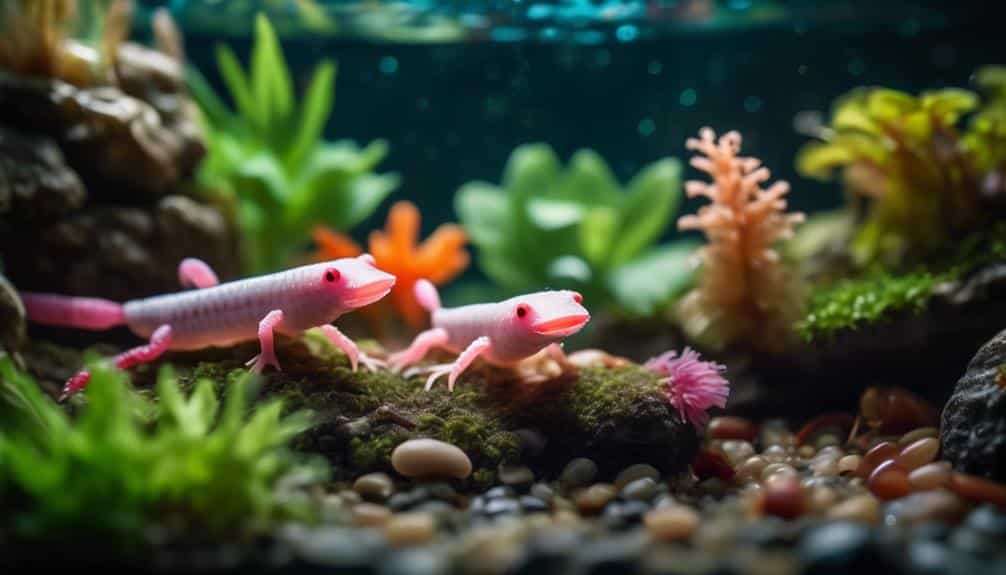
As juvenile axolotls grow and develop, providing them with a nutritious and balanced diet is crucial for their health and well-being. While there are various options available, it is important to consider their specific dietary requirements at this stage of their life.
From live foods to commercial pellets and even vegetables, there are several choices to explore. However, finding the optimal feeding schedule and the ideal combination of these food sources requires careful consideration.
In this discussion, we will delve into the different options available and provide insights into the best approach to feeding juvenile axolotls, ensuring their growth and vitality.
The Basic Diet for Juvenile Axolotls
The dietary requirements for juvenile axolotls are essential for their growth and development. Providing proper nutrition is crucial to ensure their overall health and well-being.
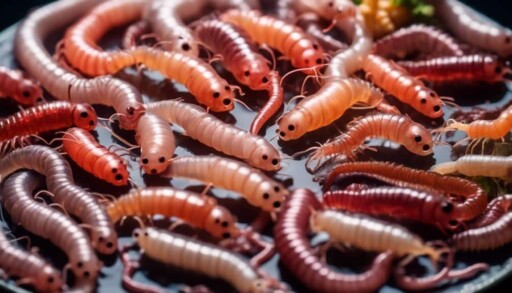
Juvenile axolotls have specific nutritional needs that differ from adult axolotls. As carnivorous amphibians, they require a diet rich in protein. Live or frozen foods such as bloodworms, brine shrimp, and small insects are suitable options.
It is important to feed them small, frequent meals to prevent overfeeding and maintain water quality. As they grow, it is necessary to gradually transition them to an adult diet, which includes a variety of protein sources such as earthworms and pellets.
Introducing new foods gradually and monitoring their response is essential. By providing a balanced and appropriate diet, juvenile axolotls can thrive and reach adulthood successfully.
Live Foods for Juvenile Axolotls
To ensure optimal growth and development, it is crucial to provide juvenile axolotls with a diet consisting of live foods. Feeding challenges may arise when trying to provide a suitable diet for these aquatic creatures.
Live foods, such as small worms, insects, and brine shrimp, are essential for meeting the nutritional requirements of juvenile axolotls. These live foods are rich in protein, which is necessary for their growth and energy needs. Additionally, live foods promote natural hunting behaviors and stimulate their appetite.
It is important to ensure that the live foods are of appropriate size for the axolotls to consume easily. Regularly offering a variety of live foods will provide the necessary nutrients and help maintain the overall health of juvenile axolotls.
Commercial Pellets for Juvenile Axolotls
Commercial pellets are a convenient and nutritionally balanced option for feeding juvenile axolotls. Juvenile axolotls have specific nutritional requirements that must be met for their proper growth and development. Commercial pellets are formulated to provide the essential nutrients that axolotls need, including protein, fat, vitamins, and minerals. These pellets are designed to be easily digestible, ensuring that the axolotls can absorb and utilize the nutrients efficiently.
Feeding commercial pellets to juvenile axolotls offers several benefits. Firstly, it simplifies the feeding process by eliminating the need to culture live foods. Secondly, it ensures a consistent and balanced diet, reducing the risk of nutritional deficiencies. Additionally, commercial pellets are readily available and can be easily stored for extended periods, making them a practical choice for axolotl owners.
Vegetables and Plant Matter for Juvenile Axolotls
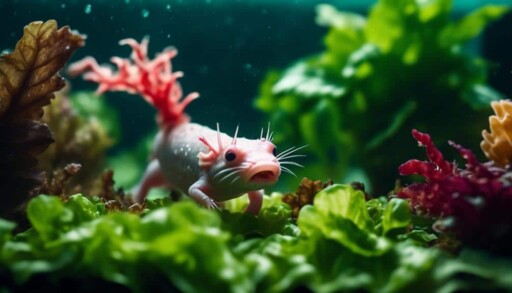
After considering the benefits of commercial pellets, it is important to explore the role of vegetables and plant matter in meeting the nutritional needs of juvenile axolotls. Vegetables provide essential nutrients and fiber that promote healthy growth and development.
Here are some key points about the nutritional value of vegetables for juvenile axolotls:
- Vegetables are rich in vitamins and minerals, such as vitamin A, vitamin C, and calcium, which are crucial for a well-balanced diet.
- Leafy greens like spinach and kale are excellent sources of fiber, aiding in digestion and preventing constipation.
- Feeding a variety of vegetables ensures a diverse nutrient intake, contributing to overall health and vitality.
- It is important to offer vegetables in appropriate portion sizes, typically around 10% of the axolotl's diet, to maintain a balanced diet and prevent overfeeding.
Feeding Schedule for Juvenile Axolotls
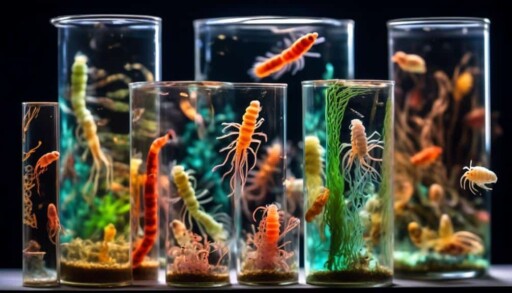
Establishing a suitable feeding schedule is crucial for the proper growth and development of juvenile axolotls. Juvenile axolotls have high energy and growth requirements, so they need to be fed frequently.
A feeding schedule of twice a day is recommended for axolotls up to six months old. As they grow older, the frequency can be reduced to once a day.
It is important to provide a varied diet to ensure that the axolotls receive all the necessary nutrients. Live foods, such as earthworms and brine shrimp, are a great option for juvenile axolotls.
To properly gut load live foods, they should be fed a nutritious diet that includes calcium-rich foods like kale or spinach. This ensures that the axolotls receive sufficient calcium, which is essential for their bone and muscle development.


