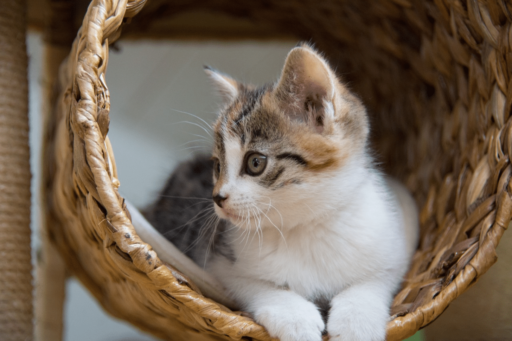
Let’s dive into understanding your cat’s behavior and find out why they scratch furniture instead of using their scratching post! Understanding scratching behavior is essential in addressing this issue.
Cats scratch to mark their territory, stretch their muscles, and maintain healthy claws. It’s a natural instinct that can’t be eliminated entirely. However, there are common mistakes cat owners make when it comes to providing a suitable scratching post.
Firstly, the size of the post matters; it should be tall enough for your cat to fully extend its body while scratching. Secondly, the material should be appealing to your feline friend, such as sisal rope or cardboard. Lastly, proper placement of the post is crucial; it should be located near areas where your cat frequently scratches furniture.
By avoiding these common mistakes and providing an appropriate scratching post, you can encourage your cat to use it and reduce furniture damage significantly.
When choosing the right scratching post for your cat, consider both the material and size. Opt for a post made of sturdy material such as sisal or cardboard that can withstand your cat’s scratching habits.
Additionally, ensure that the post is tall enough for your cat to fully stretch out while scratching.
To encourage your cat to use the scratching post, it’s important to place it in a strategic location. Position it near areas where your cat frequently scratches, such as furniture or door frames. This will make the post more appealing and accessible to your furry friend, increasing the likelihood of them using it instead of other surfaces in your home.
By carefully considering the material and size of the scratching post and placing it in a strategic location, you’ll set your cat up for success in using their new designated spot for scratching. Remember that cats have individual preferences, so observing their behavior and adjusting accordingly may be necessary to find the perfect fit.
To get your cat to use the scratching post, try using a sisal rope material that feels like rough sandpaper, which’ll be as enticing as a warm cozy blanket for them. Cats are naturally attracted to materials that resemble tree bark and rough surfaces, so opting for sisal rope can greatly increase the chances of them using the post.
Additionally, consider the size of the scratching post. It should be tall enough for your cat to fully stretch their bodies and sturdy enough to withstand their weight and scratching force. A larger surface area allows cats to fully extend their claws and engage in a satisfying scratch.
By choosing the right material and size for your cat’s scratching post, you’re providing them with an ideal outlet for their natural instincts while protecting your furniture from potential damage.
Positioning the scratching post strategically in your home encourages your feline companion to instinctively utilize it for their scratching needs. When determining the ideal location, consider placement strategies and training techniques that will increase the chances of success.
Firstly, ensure that the scratching post is placed in an area where your cat spends a significant amount of time. This could be near their favorite resting spots or along common pathways they frequently use. Additionally, try to position it near furniture or objects that your cat has previously targeted for scratching. This helps redirect their behavior towards the appropriate surface.
Placing the post in a visible and accessible spot also increases its appeal to your furry friend. Remember to avoid isolating it in a corner or behind furniture as this may discourage usage. By thoughtfully choosing where to place the scratching post, you can effectively encourage your cat’s natural instincts while protecting your furniture and belongings.
To encourage your cat to use the scratching post, it’s important to use positive reinforcement. Reward your cat with treats or praise whenever they use the post, and be consistent in offering this positive feedback.
Additionally, you can make the scratching post more attractive by placing it in a prominent location, adding catnip or toys to entice your cat, and ensuring that it’s sturdy and stable for them to scratch on.
By implementing these strategies, you can effectively train your cat to use the scratching post and prevent them from damaging furniture or other household items.
Try rewarding your cat with treats or praise every time they use the scratching post, as the saying goes, ‘You catch more flies with honey than vinegar.’ Positive reinforcement techniques are effective training methods for encouraging cats to use their scratching posts.
Here are some tips to help you implement this approach:
Provide your cat with a small treat immediately after they use the scratching post.
Use a clicker or verbal cue, such as saying ‘good job,’ when your cat engages with the post.
Offer verbal praise and petting to reinforce their good behavior.
By consistently rewarding your cat’s desired behavior, they will associate using the scratching post with positive experiences. This positive reinforcement technique helps them learn and strengthens their preference for using the appropriate surface instead of furniture or carpets. Remember to be patient and consistent in your training efforts for best results.
One great way to entice your furry friend is by making the scratcher more appealing. You can do this by increasing its attractiveness and incorporating toys into the mix. Cats are naturally curious animals, so adding toys to the scratching post can make it more enticing for them to use. You can attach toys such as feathers or bells to the post, or place interactive toys nearby that they can play with while using the scratcher. This will not only encourage them to use the scratching post but also provide them with mental stimulation and exercise. To emphasize this point, here is a table showcasing some popular toys that you can incorporate into your cat’s scratching area:
Toy Name
Description
Feather
Entices cats’ hunting instincts
Catnip
Attracts cats and promotes playfulness
Ball
Provides entertainment as it rolls around
By combining an attractive scratching post with engaging toys, you’ll have a higher chance of successfully redirecting your cat’s scratching behavior towards their designated area.
Instead of scolding your cat for scratching the furniture, redirect their behavior by providing them with a variety of enticing scratching posts. Redirecting scratching behavior is an effective way to train your cat and save your furniture from destruction.
Start by placing the new scratching post near the area where your cat usually scratches. Make sure it’s stable and tall enough for them to fully stretch out their body. To make it more appealing, consider adding some catnip or attaching a toy to the post.
Encourage your cat to use the post by using positive reinforcement, such as treats or praise, whenever they scratch it. If you catch your cat scratching elsewhere, gently pick them up and place them near the appropriate post.
With consistent redirection and training techniques, your cat will soon learn to use their designated scratching area instead of your furniture.
When redirecting your cat’s scratching behavior, it’s important to be patient and consistent.
Give your cat time to adjust to the new scratching post by placing it in a prominent location and encouraging their exploration with positive reinforcement.
Reinforce the use of the scratching post by offering treats or praise whenever you catch your cat using it, helping them form a positive association with this new behavior.
To really get your cat to use the scratching post, you need to give them some time and let them adjust. Cats are creatures of habit, so introducing a new object into their territory can be unsettling at first. Here are some steps you can take to help your cat adjust:
Place the scratching post in a visible and accessible area: Cats are more likely to use the post if it’s in a location where they spend a lot of time.
Encourage exploration: Sprinkle some catnip on or around the scratching post to pique your cat’s interest and entice them to investigate.
Introduce new toys: Provide your cat with interactive toys that they can play with near the scratching post. This will help associate positive experiences with the area.
Reward good behavior: Whenever you see your cat using the scratching post, offer praise and treats as positive reinforcement.
By giving your cat time to adjust and incorporating these strategies, you increase the likelihood that they will embrace their new scratching post and protect your furniture from their sharp claws.
Make sure you consistently reward your furry friend with praise and treats every time they choose to utilize the scratching post, reinforcing their positive behavior. Positive reinforcement techniques are effective in training cats to use the desired objects, such as a scratching post. By providing rewards whenever your cat uses the scratching post, you are teaching them that this behavior is desirable and will result in something good. This helps them associate the scratching post with positive experiences, encouraging them to use it more often.
To effectively reinforce the use of the scratching post, it’s important to establish a clear association between the behavior and the reward. Use a clicker or a verbal cue like “good job” when they scratch on the post, followed immediately by a treat or praise. Consistency is key; make sure you reward them every time they engage with the scratching post. This will help solidify their understanding of what is expected from them.
Incorporating positive reinforcement into your cat’s training can also involve redirecting their attention away from inappropriate scratching behaviors and towards using the scratching post instead. When you notice your cat attempting to scratch furniture or other undesirable surfaces, gently guide them towards their designated scratching area and provide praise or treats when they engage with it.
By consistently rewarding your cat for using the scratching post and redirecting their attention when necessary, you can encourage positive habits while discouraging destructive ones. These training tips can help foster a healthy bonding experience between you and your feline companion while ensuring your furniture remains intact.
Post Views: 32