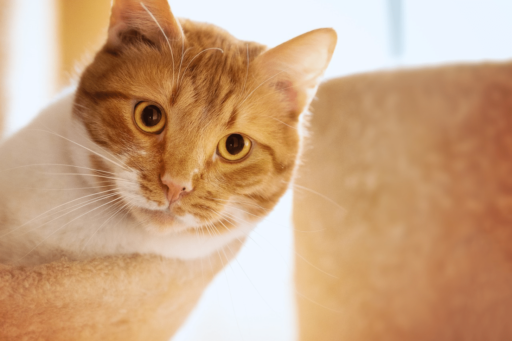
cats scratch inappropriately can help redirect their behavior to the designated scratching surfaces.Using deterrents like double-sided sticky tape or aluminum foil can discourage cats from scratching on furniture.
Environmental enrichment, such as adding toys and climbing structures, can help provide mental stimulation and outlets for a cat’s instincts, reducing unwanted scratching behaviors.
Take a moment to envision your cat’s natural instinctual behavior as it gleefully scratches its claws against various surfaces in your home. Understanding the reasons behind this scratching can help you find ways to prevent it.
Cats scratch for several behavioral triggers, including marking their territory, stretching their muscles, and maintaining healthy claws. It’s essential to provide mental stimulation and outlets for these instincts. Make sure your cat has plenty of appropriate scratching posts and toys that encourage active play.
Consider using interactive puzzle toys or hiding treats around the house to keep them mentally engaged. Regular play sessions with wand toys or laser pointers can also help redirect their energy. By understanding your cat’s needs and providing adequate mental stimulation, you can reduce unwanted scratching behaviors and create a happy environment for both you and your feline friend.
Choose a scratching post that your furry friend will love and use to keep their paws happy and entertained. Here are three options that can encourage positive behavior and redirect scratching behavior:
Sisal Rope Scratching Post: This material provides a satisfying texture for cats to sink their claws into. It mimics the feel of tree bark, which is a natural instinct for cats to scratch.
Cardboard Scratcher: These flat or curved surfaces made from corrugated cardboard are perfect for cats who prefer horizontal scratching. They can also be sprinkled with catnip to attract your feline friend.
Vertical Carpeted Scratching Post: Cats often enjoy scratching on carpeted surfaces. A tall vertical post covered in sisal or carpet allows them to stretch while scratching, providing an outlet for their energy.
Remember to place the scratching post near areas where your cat tends to scratch inappropriately, such as furniture or walls. With these options, you can redirect your cat’s scratching behavior onto appropriate surfaces while keeping them happy and engaged.
Using deterrents and training techniques can be an effective way to teach your furry friend where they should redirect their scratching behavior. Behavior modification is key when it comes to stopping cats from scratching themselves excessively.
One technique you can use is providing them with alternative surfaces that are more desirable, such as scratching posts or mats. You can also try using deterrents, like double-sided sticky tape or aluminum foil, on the furniture or areas they tend to scratch.
Another helpful strategy is environmental enrichment, which involves creating a stimulating environment for your cat by adding toys, climbing structures, and interactive play sessions.
By incorporating these techniques into your cat’s routine and consistently reinforcing positive behaviors, you can help them break the habit of scratching themselves and redirect their energy towards appropriate outlets.
Maintaining a well-groomed and hygienic furball is essential if you want to avoid becoming a scratching post for your feline friend. Regular brushing is key to keeping your cat’s coat clean and healthy. It not only removes loose hair but also helps distribute natural oils, preventing dryness and irritation that can lead to excessive scratching. Make sure to choose a brush that’s appropriate for your cat’s fur type.
In addition to regular grooming, consider protecting your furniture from your cat’s sharp claws. Provide designated scratching posts or boards in areas where your cat spends the most time. These surfaces should be appealing and enticing, such as sisal or cardboard. You can also use deterrents like double-sided tape or aluminum foil on furniture you want to protect.
By following these grooming and furniture protection techniques, you can help discourage excessive scratching and keep both yourself and your furry friend happy.
If you want to ensure the best care for your furry friend, don’t hesitate to seek veterinary advice and support. Your veterinarian is a valuable resource when it comes to addressing your cat’s scratching behavior. Here are three reasons why seeking veterinary treatment and behavioral modification can be beneficial:
1) Expert Guidance: Veterinarians have extensive knowledge and experience in diagnosing and treating various feline conditions. They can assess your cat’s scratching behavior, rule out any underlying medical issues, and provide appropriate treatment options.
2) Behavior Modification Techniques: Veterinary professionals can offer effective techniques for redirecting your cat’s scratching instinct. This may involve providing suitable scratching posts, using deterrents like double-sided tape or citrus scents on furniture, or implementing positive reinforcement training methods.
3) Preventing Complications: Excessive scratching can lead to skin infections or self-inflicted injuries. By seeking veterinary advice early on, you can prevent these complications from arising and promote overall well-being for your beloved pet.
Remember that your veterinarian is there to help you navigate through this issue and provide the necessary guidance for resolving your cat’s scratching problem effectively.
Post Views: 19