
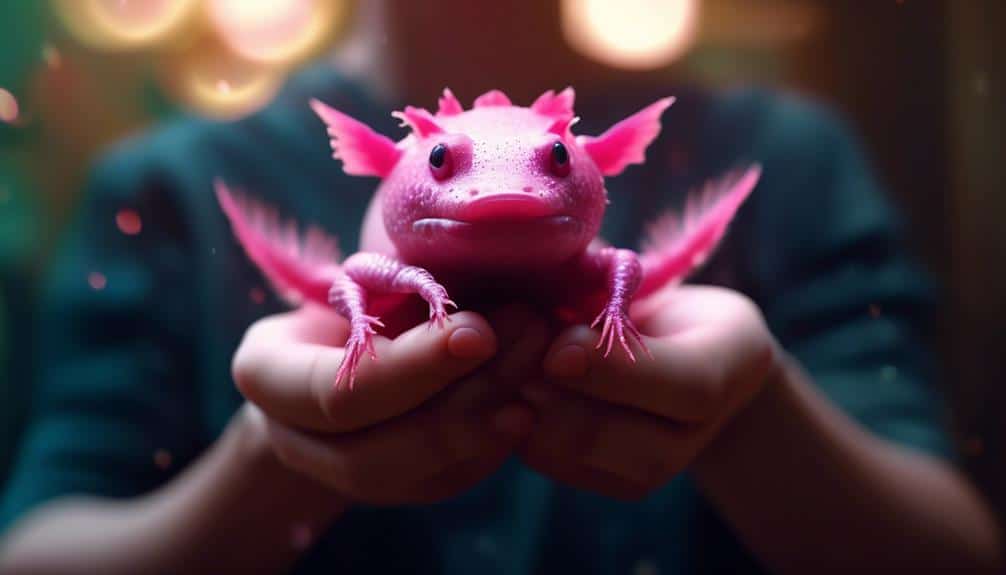
The axolotl, also known as the Mexican walking fish, is a fascinating creature that has captivated the attention of many. Its unique appearance and intriguing behavior make it a popular choice for pet enthusiasts.
However, interacting with axolotls requires a certain level of knowledge and understanding to ensure their well-being. In this discussion, we will explore the intricacies of axolotl behavior, the importance of creating a suitable environment, the proper ways to handle and touch these creatures, and the essential aspects of feeding and interacting with them.
By delving into these topics, we will unravel the secrets of establishing a harmonious connection with these enigmatic amphibians.
Understanding Axolotl Behavior
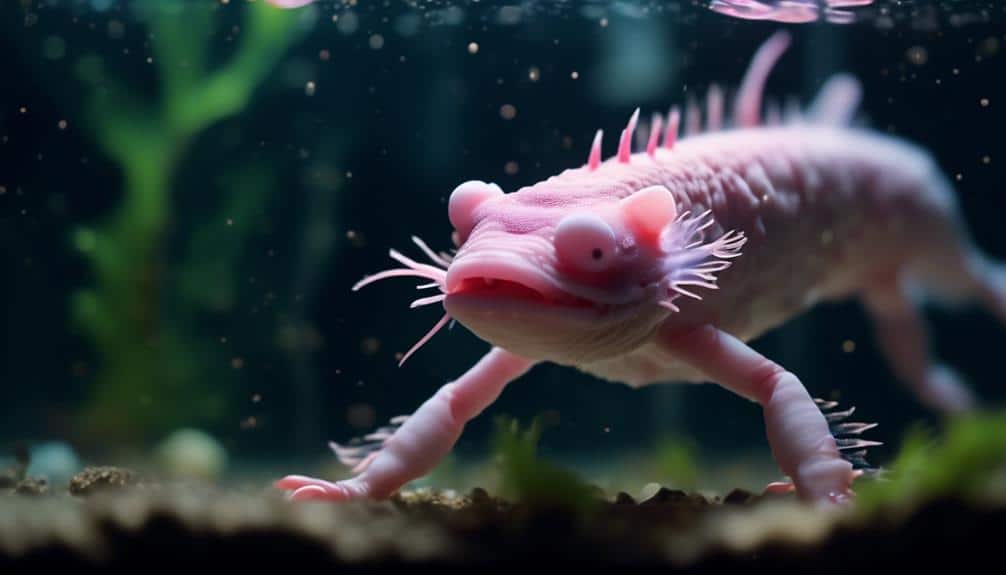
Understanding Axolotl Behavior is crucial for anyone interested in these fascinating aquatic creatures.
Axolotls are known for their unique ability to regenerate body parts and their neotenic features, which means they retain juvenile characteristics throughout their life.
When it comes to breeding axolotls, understanding their behavior is essential. Male axolotls perform a courtship dance to attract females, involving head movements, nudging, and circling. The breeding process requires careful observation to ensure successful mating and the production of healthy offspring.
Additionally, being aware of common axolotl diseases is crucial for their well-being. Axolotls are susceptible to respiratory infections, skin diseases, and parasitic infestations. Regular monitoring of water quality, maintaining proper temperature, and providing a balanced diet can help prevent these diseases.
Understanding axolotl behavior and addressing their specific needs is vital for their overall health and successful breeding.
Creating a Suitable Environment
To ensure the well-being and optimal development of axolotls, it is essential to create a suitable environment that meets their specific needs. When setting up a tank for axolotls, there are several factors to consider.
Firstly, the tank should be spacious enough to accommodate their size and provide ample swimming space.
The water temperature should be maintained between 60-68°F (15-20°C), as axolotls are cold-water creatures.
Additionally, a filtration system is necessary to maintain water quality and prevent the build-up of harmful substances.
It is also important to provide hiding spots for axolotls, such as rocks, caves, or plants, as they are nocturnal animals that seek shelter during the day. These hiding spots not only offer security but also help to simulate their natural habitat.
Handling and Touching Axolotls
When it comes to interacting with axolotls, it is important to handle and touch them correctly to ensure their well-being and minimize stress. Proper handling is crucial in order to prevent injury and maintain the axolotl's delicate skin and gills.
To handle an axolotl, it is recommended to wet your hands with clean, chlorine-free water to prevent the transfer of harmful substances. Gently scoop the axolotl from underneath, supporting its body and avoiding excessive pressure on its limbs.
It is essential to handle axolotls with a gentle touch, as they have sensitive skin and can easily become stressed. Avoid sudden movements and loud noises, as these can startle the axolotl and lead to unnecessary stress.
Feeding and Interacting With Axolotls
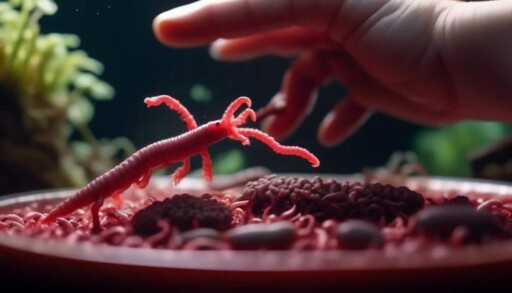
Feeding axolotls is a crucial aspect of their care and requires careful attention to their dietary needs. Axolotls are carnivorous and primarily eat live or frozen foods such as bloodworms, daphnia, and brine shrimp. It is important to provide a varied diet to ensure they receive all the necessary nutrients.
Axolotl feeding techniques involve offering small, bite-sized pieces of food using long tweezers or forceps to prevent accidental ingestion of substrate. Overfeeding should be avoided as it can lead to obesity and water quality issues.
Additionally, interaction with axolotls can be a rewarding experience. Although they are not social animals, they can be observed and interacted with during playtime. This can involve gently moving a toy near them or using a clean finger to gently touch their chin. However, it is important to respect their boundaries and not overstimulate them.
Maintaining the Health and Well-being of Axolotls
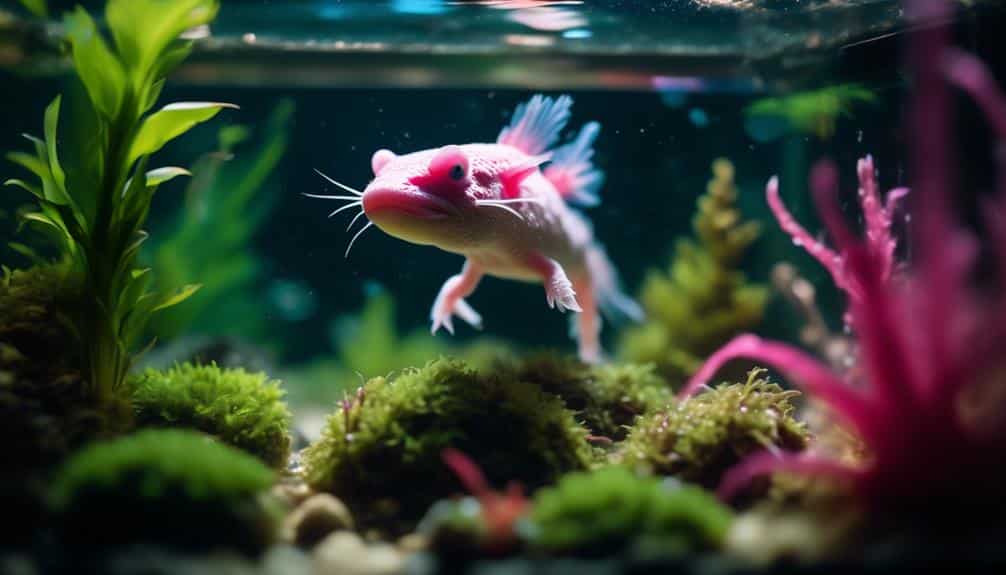
Maintaining the health and well-being of axolotls is crucial for their long-term survival and overall quality of life. To ensure the well-being of these fascinating creatures, it is important to focus on disease prevention and treatment, as well as the breeding and reproduction process. Here are three key factors to consider:
- Disease prevention and treatment for axolotls:
Regularly monitor water quality parameters such as temperature, pH levels, and ammonia levels to prevent stress and disease. Quarantine new axolotls before introducing them to an existing tank population to prevent the spread of potential pathogens. If a disease does occur, consult a veterinarian with experience in exotic aquatic species for proper diagnosis and treatment.
- Breeding and reproduction of axolotls:
Provide suitable breeding conditions, including a cooler water temperature and appropriate hiding spots for the female to lay her eggs. Separate the male and female axolotls after breeding to prevent stress and potential cannibalism. Ensure proper nutrition and a well-maintained environment to support healthy egg development and hatching.
- Overall well-being and care for axolotls:
Regularly clean and maintain the axolotl tank to ensure a clean and healthy environment. Provide a proper diet consisting of a variety of foods, such as live or frozen bloodworms, brine shrimp, and pellets. Avoid overcrowding the tank and provide ample space for the axolotls to swim and explore. Monitor their behavior and appearance regularly to detect any signs of illness or distress.


