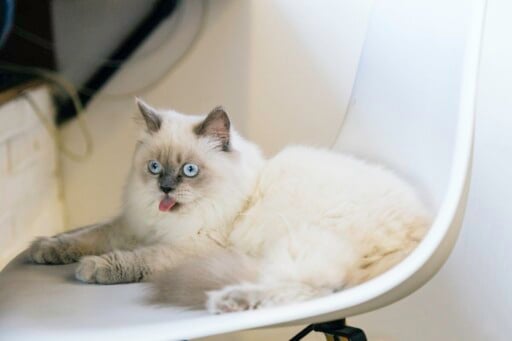
One can identify signs of overstimulation in cats by observing their excessive grooming, dilated pupils, and flattened ears.
Behavioral changes during overstimulation may include aggressive behavior, such as biting or scratching, as well as vocalization, restlessness, or attempting to escape.
Other common signs of overstimulation in cats include tail flicking, trembling or shaking, and hiding.
Recognizing these behaviors can help cat owners intervene and provide a calmer environment for their feline companions.
Creating a serene and secure environment for your feline companion involves establishing a setting that evokes tranquility and safety.
To create a cat-friendly home, consider the following:
Provide multiple hiding spots to allow your cat to retreat when feeling overwhelmed.
Set up vertical spaces, such as cat trees or shelves, to give them opportunities for climbing and perching.
Offer interactive toys and puzzles to provide mental stimulation.
Ensure there are quiet areas where your cat can relax undisturbed.
By incorporating these elements, you can create an environment that promotes calmness and enrichment for your cat.
This discussion will focus on understanding your cat’s triggers and how to effectively manage them.
Identifying specific triggers is crucial in creating a calm and safe environment for your cat, as it allows you to avoid or minimize situations that may cause overstimulation.
Gradual desensitization techniques can help your cat become more comfortable with their triggers by gradually exposing them to the stimuli in a controlled manner.
Using positive reinforcement can also be an effective tool in managing triggers, as it rewards desired behaviors and helps redirect your cat’s attention away from potential stressors.
Identifying specific triggers can be achieved by observing your cat’s behavior during certain activities or situations.
Some common triggers for overstimulation in cats include:
Excessive petting
Loud noises
Sudden movements
Unfamiliar visitors
In multi-cat households, competition for resources such as food or litter boxes can also lead to overstimulation.
Recognizing these triggers is crucial in managing overstimulation and creating a harmonious environment for your feline companions.
Monitoring their reactions and providing appropriate environmental enrichment can help alleviate overstimulation-related issues.
Gradual desensitization techniques involve exposing cats to their triggers in a controlled and systematic manner. This allows them to gradually build tolerance and reduce overstimulation-related reactions. These desensitization methods are a form of behavior modification that aims to change the cat’s response to specific stimuli.
By repeatedly exposing the cat to the trigger at a low intensity and gradually increasing it over time, the cat can learn to cope with the stimulus without becoming overstimulated.
To continue the process of gradual desensitization techniques, another effective method to help determine if your cat is overstimulated is by using positive reinforcement.
This involves incorporating clicker training and play therapy sessions as a means of redirecting their attention and providing them with a positive outlet for their energy.
By rewarding desired behaviors and creating a stimulating yet controlled environment, you can help your cat manage their stimulation levels more effectively.
One effective approach to mitigating overstimulation episodes in cats involves implementing environmental enrichment strategies.
Managing overexcitement in cats and preventing overstimulation can be achieved by providing them with a stimulating environment that includes toys, scratching posts, and hiding spots. This helps redirect their excessive energy and provides outlets for play and exploration.
Creating a calming atmosphere with soothing music or pheromone diffusers can also help reduce the likelihood of overstimulation episodes in cats.
Seeking professional assistance from a veterinarian or animal behaviorist can offer valuable insight and guidance in effectively managing and addressing overstimulation episodes in feline companions.
When to consult a veterinarian:nn1) If the cat’s overstimulation episodes become frequent or severe.
2) If the cat shows aggressive behavior towards humans or other pets.
3) If the cat exhibits excessive vocalization, urination, or defecation during overstimulation.
4) If the cat’s overall quality of life is significantly affected by these episodes.
Post Views: 22