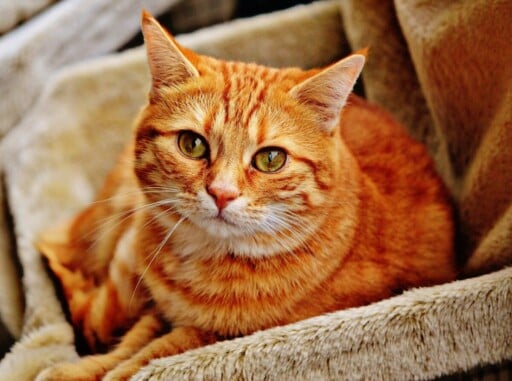
health benefits. Clover is rich in nutrients such as vitamins A, C, and K, as well as minerals like potassium and calcium. These nutrients are essential for maintaining a cat’s overall health and can contribute to a strong immune system, healthy digestion, and improved coat condition. Additionally, some studies suggest that certain compounds found in clover may have antioxidant properties, which can help protect against cellular damage caused by free radicals.
However, it is important to note that while there are potential benefits of cats eating clover, there are also potential risks. Some cats may have allergies or sensitivities to clover, leading to digestive issues or skin irritations. Furthermore, not all types of clover are safe for cats to consume. Certain varieties contain substances that can be toxic to felines if ingested in large quantities.
| Potential Benefits |
Potential Risks |
| Rich in nutrients |
Allergies/sensitivities |
| Strong immune system |
Digestive issues |
| Healthy digestion |
Skin irritations |
| Improved coat condition |
Toxicity (certain varieties) |
Overall, while feeding small amounts of safe types of clover to cats may provide some health benefits, it is crucial for owners to consult with a veterinarian before incorporating it into their pet’s diet.
Risks and Precautions
An important consideration when it comes to incorporating clover into a feline’s diet is the potential risks and precautions associated with its consumption. While there are potential benefits to cats eating clover, such as improved digestion and relief from constipation, it is crucial to be aware of the possible risks involved.
-
Digestive Upset: Cats may experience gastrointestinal issues like vomiting or diarrhea if they consume large amounts of clover.
-
Allergic Reactions: Some cats can develop allergies to certain plants, including clover. It is important to monitor any signs of allergic reactions such as itching, swelling, or difficulty breathing.
-
Toxicity: Certain species of clover contain substances that are toxic to cats. If ingested in large quantities, these can lead to poisoning symptoms like weakness, tremors, or seizures.
-
Pesticide Contamination: Clover growing in gardens or fields may be treated with pesticides that are harmful if consumed by cats.
When introducing new foods like clover into a cat’s diet, it is advisable to start with small amounts and observe for any adverse reactions. Consulting a veterinarian before making dietary changes is also recommended to ensure the safety and well-being of the feline companion.
How to Safely Introduce Clover to Your Cat’s Diet
When introducing clover to your cat’s diet, it is important to start with small amounts. This allows you to monitor your cat for any negative reactions or allergies that may occur. By gradually increasing the amount of clover in their diet while closely observing their behavior and health, you can ensure a safe and successful integration of this plant into their meal plan.
Start with Small Amounts
To introduce the current subtopic of starting with small amounts, it is advisable to gradually introduce clover into a cat’s diet. Cats can be sensitive to changes in their diet, so introducing new foods slowly helps their digestive system adjust and minimizes the risk of stomach upset or other adverse reactions.
Clover contains vitamins, minerals, and antioxidants that can be beneficial for cats when consumed in moderation. However, sudden dietary changes or large quantities of clover can lead to digestive upset such as diarrhea or vomiting. Therefore, it is crucial to start with small amounts of clover and observe your cat’s reaction before increasing the quantity.
Additionally, consulting with a veterinarian before incorporating any new food into your cat’s diet is always recommended to ensure their overall health and well-being are maintained.
Monitor for Any Negative Reactions
Monitoring for any negative reactions is essential when introducing clover into a cat’s diet, as it allows for timely identification of potential digestive issues. This is similar to how a vigilant guardian watches over their ward to ensure their well-being. Cats may exhibit signs of clover toxicity, such as vomiting, diarrhea, or loss of appetite. If these symptoms occur after consuming clover, it is important to consult a veterinarian immediately. They can provide guidance on appropriate dietary adjustments and recommend treatments if necessary.
Additionally, it is crucial to remember that not all cats react the same way to new foods. Some may tolerate clover well, while others may experience adverse effects. Therefore, monitoring for any negative reactions and seeking professional advice can help ensure the overall health and safety of our feline companions.
Alternative Cat-Friendly Plants to Consider
When it comes to providing alternative plants for cats, catnip and cat grass are two popular options.
Catnip, also known as Nepeta cataria, is a perennial herb that belongs to the mint family. It contains a compound called nepetalactone which can elicit a euphoric response in many cats.
On the other hand, cat grass typically refers to varieties of grasses like wheatgrass or oat grass that are safe for cats to chew on and ingest. These plants not only provide entertainment and stimulation for cats but also offer potential health benefits such as aiding digestion and reducing hairballs.
Catnip
Catnip, a member of the mint family, is known to elicit a euphoric response in cats due to its active compound, nepetalactone. When cats come into contact with catnip, they may exhibit behaviors such as rolling, rubbing, and purring. This reaction is thought to be caused by the scent of nepetalactone stimulating receptors in the cat’s brain that are responsible for regulating emotions and behavior.
While catnip is generally safe for cats and can provide them with mental stimulation and enrichment, not all cats respond to it. For those felines that do not react to catnip or for pet owners who wish to explore other options, there are alternative plants that have similar effects on cats. Some examples include silver vine, valerian root, and honeysuckle wood. These plants contain compounds that can also trigger a pleasurable response in cats.
Catnip has been found to have a positive effect on many cats by inducing playful and happy behaviors. However, if your cat does not respond to catnip or you want to try something different, there are other plant alternatives available that may provide similar effects. It is important to always monitor your pet’s reactions when introducing new plants or substances into their environment.
Cat Grass
Cat grass, a type of vegetation that is cultivated specifically for cats, offers an enriching and natural addition to their diet. Cat grass provides several benefits for feline companions.
Firstly, it aids in digestion by promoting the regurgitation of indigestible materials such as furballs. This helps prevent gastrointestinal obstructions and promotes overall digestive health.
Additionally, cat grass can provide mental stimulation and relieve stress by allowing cats to engage in natural behaviors like chewing and nibbling on plants.
Growing cat grass is relatively simple and can be done indoors or outdoors. To grow cat grass, start by selecting a suitable type of grass such as wheatgrass or oatgrass seeds. Plant the seeds in a shallow container filled with potting soil and water them regularly to keep the soil moist but not soggy. Place the container in a well-lit area but away from direct sunlight. Within a week or two, the grass should reach an ideal height for cats to enjoy.
Incorporating cat grass into a feline’s diet can have numerous benefits including improved digestion and mental stimulation. Growing cat grass at home is easy and provides owners with a simple way to enhance their pets’ overall well-being.
Post Views: 66