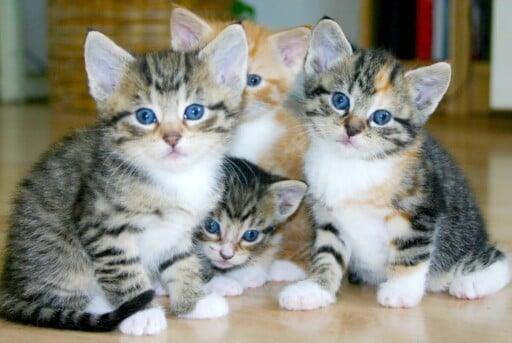
Feline behavior can be better understood by observing and analyzing their actions, reactions, and communication patterns. Cats have unique ways of communicating with humans and other animals, which can vary from vocalizations to body language. Feline communication is a complex system that involves various vocalizations such as meowing, purring, hissing, and growling. Each vocalization carries a different meaning and serves as a form of expression for cats.
Additionally, cats use body language cues like tail movements, ear positions, and facial expressions to convey their emotions or intentions. Understanding these communication signals can help cat owners interpret their pets’ needs and desires more accurately.
Socialization techniques also play a crucial role in feline behavior. Early socialization helps kittens develop appropriate behaviors towards humans and other animals. It involves exposing them to different people, environments, sounds, and experiences during the critical period of their development. Proper socialization enhances cats’ ability to adapt to new situations, reduces fearfulness or aggression tendencies, and promotes positive interactions with both humans and fellow felines.
By understanding feline communication patterns and implementing effective socialization techniques during early stages of life, cat owners can foster healthy relationships with their pets while reducing behavioral issues commonly associated with cats.
Research on Feline Autism
Research on feline neurodevelopmental disorders has shed light on potential behavioral anomalies within the feline species. While the concept of feline autism is still a subject of debate among experts, there are similarities between certain behavioral patterns observed in cats and those seen in humans with autism.
Studies have shown that some cats exhibit repetitive behaviors, difficulty with social interactions, and sensory sensitivities, which are commonly associated with autism spectrum disorder (ASD) in humans. However, it is important to note that a definitive diagnosis of feline autism does not currently exist, and further research is needed to fully understand these potential similarities.
By studying feline behavior and comparing it to human autism, researchers aim to gain insight into both conditions and potentially improve our understanding of neurodevelopmental disorders as a whole.
Common Behaviors Associated with Feline Autism
Behavioral patterns commonly seen in felines with potential neurodevelopmental disorders include repetitive actions, difficulties in social interactions, and heightened sensitivity to sensory stimuli. These behaviors are indicative of feline autism, although further research is needed to fully understand the condition in cats.
Sensory sensitivities manifest as an exaggerated response to certain sounds, smells, or textures. For example, a cat may become excessively agitated or frightened by sudden loud noises or avoid certain surfaces due to discomfort.
Repetitive behaviors often involve repeated actions such as pacing, excessive grooming, or obsessively playing with specific objects. These behaviors provide a sense of predictability and security for cats with autism.
Understanding these common behaviors associated with feline autism can help veterinarians and cat owners identify potential cases and provide appropriate care and support for affected animals.
Potential Causes and Factors
One intriguing aspect to explore regarding feline autism is the potential causes and factors that contribute to its development. Research suggests that feline sensory sensitivities may play a role in the manifestation of autistic-like behaviors in cats. Some cats with autism exhibit hypersensitivity or hyposensitivity to certain stimuli, such as touch, sound, or light. This heightened or diminished response to sensory input may result in atypical behaviors commonly associated with autism.
Additionally, there is evidence to suggest a genetic predisposition for feline autism. Studies have found certain genetic variations in cats diagnosed with autism-like behaviors compared to neurotypical cats. However, further research is needed to fully understand the specific genes involved and their exact contributions.
Understanding the potential causes and factors behind feline autism can provide valuable insights into both the condition itself and potential interventions for affected cats. Continued research will help shed light on this complex disorder and improve our understanding of its origins and management strategies.
Managing and Supporting Cats with Autism-like Behaviors
This discussion will explore two key points in managing and supporting cats with autism-like behaviors.
First, creating a calm and structured environment can greatly benefit these cats by minimizing stress and providing predictability. This can be achieved through the use of consistent routines, designated safe spaces, and minimal exposure to stimuli that may trigger anxiety.
Second, seeking professional help and guidance is crucial in understanding the unique needs of cats with autism-like behaviors. Veterinary behaviorists or animal behavior consultants can offer specialized knowledge and strategies to effectively manage these behaviors, ensuring the well-being of the cat.
Creating a Calm and Structured Environment
To establish a serene and organized setting for cats, it is essential to create an environment that promotes tranquility and provides structure.
Cats with autism-like behaviors often thrive in predictable routines, as they find comfort in knowing what to expect. Establishing consistent daily routines can help reduce anxiety and provide a sense of security for these cats.
Additionally, cats with sensory sensitivity may benefit from a calm environment with minimal distractions. Providing a designated area where the cat can retreat to when feeling overwhelmed can be beneficial. This space should be quiet, dimly lit, and include comforting items such as soft bedding or hiding spots.
By creating a calm and structured environment, we can support cats with autism-like behaviors in managing their unique needs effectively.
Seeking Professional Help and Guidance
Seeking professional help and guidance from experts in feline behavior can provide valuable insights and strategies for effectively addressing the unique needs of cats with autism-like behaviors. When it comes to cats exhibiting signs of autism, early intervention is crucial.
Specialized veterinarians who have experience in dealing with behavioral disorders in cats can play a vital role in diagnosing and developing appropriate treatment plans tailored to each individual cat’s needs. These professionals can conduct thorough assessments to determine the extent of the cat’s condition and identify any underlying medical issues that may contribute to their symptoms.
By working closely with these specialized veterinarians, cat owners can gain a better understanding of their pet’s condition and receive expert advice on managing their behaviors, creating an environment conducive to their well-being, and ensuring they lead fulfilling lives.
Post Views: 17