
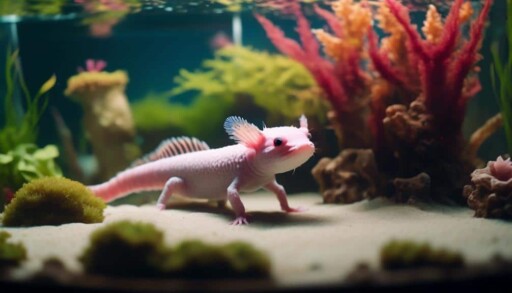
The allure of exotic pets has captivated many animal enthusiasts, and the axolotl, with its unique appearance and captivating behaviors, has emerged as a popular choice.
However, the question remains: can axolotls truly be kept as pets?
In this discussion, we will explore the various aspects of axolotl care, from understanding their specific requirements to creating an ideal habitat for them.
Additionally, we will delve into the challenges and rewards that come with owning an axolotl, providing an in-depth analysis that will leave you eager to discover whether these fascinating creatures can indeed thrive in a domestic setting.
Axolotls as Pet: An Introduction
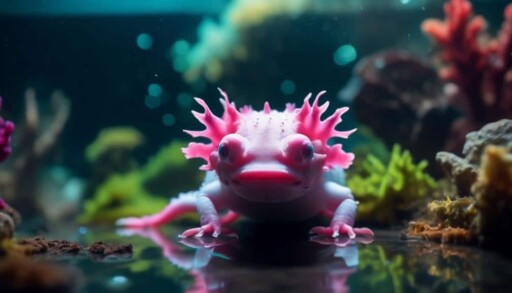
Axolotls, also known as Mexican walking fish, are fascinating amphibians that are increasingly gaining popularity as pets due to their unique characteristics and ease of care. When considering an axolotl as a pet, it is essential to understand the appropriate tank size and suitable tank mates for these creatures.
Axolotls require a tank that is spacious enough to accommodate their size and provide them with enough space to move around comfortably. A 20-gallon tank is the minimum recommended size for a single axolotl, with an additional 10 gallons for each additional axolotl. The tank should have a secure lid to prevent escape as axolotls are known to be skilled escape artists.
When it comes to tank mates, it is crucial to consider the compatibility of species. Axolotls are known to be relatively solitary creatures and can become stressed in the presence of other aggressive or nippy fish. It is best to keep them with peaceful, slow-moving species that won't compete for food or harass them.
Understanding Axolotl Care Requirements
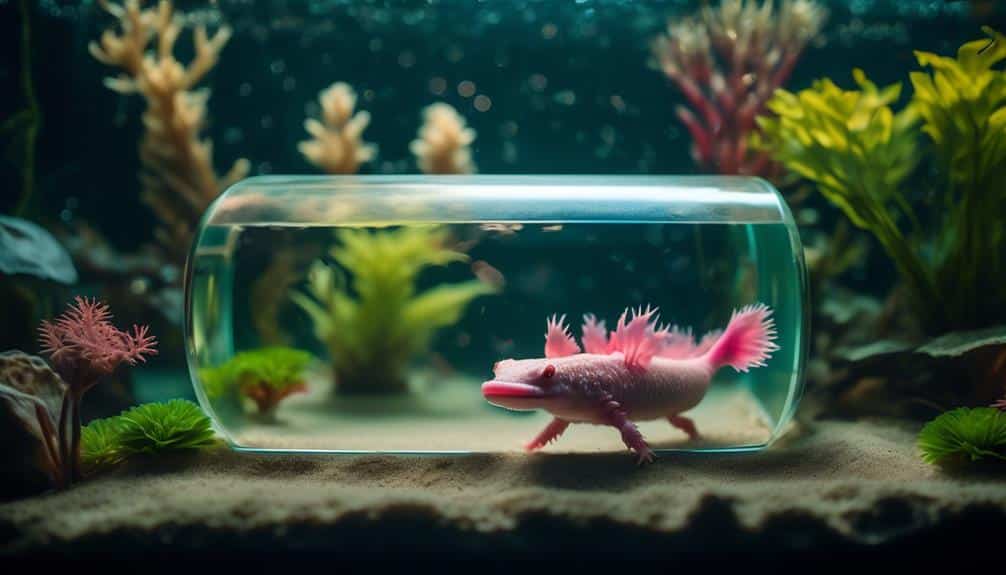
To properly care for axolotls, it is imperative to understand and meet their specific care requirements. Here are some key considerations for providing optimal care for axolotls:
- Axolotl tank size: Axolotls require a spacious tank to thrive. A minimum tank size of 20 gallons is recommended for a single adult axolotl, with an additional 10 gallons for each additional axolotl. A larger tank provides ample space for swimming and helps maintain water quality.
- Axolotl temperature requirements: Axolotls are cold-water amphibians and prefer cooler temperatures. The ideal temperature range for axolotls is between 60-68°F (15-20°C). Higher temperatures can stress and harm axolotls, while lower temperatures can slow down their metabolism and impact their overall health.
- Water quality: Axolotls are sensitive to poor water quality, so regular water testing and maintenance are crucial. Ammonia and nitrate levels should be kept at zero, and a reliable filtration system should be in place to remove waste and toxins.
- Substrate: Axolotls should be provided with a soft substrate, such as sand or fine gravel, to prevent injury to their delicate skin. Avoid using rough or sharp materials that can cause abrasions.
- Hiding places: Axolotls are nocturnal and enjoy hiding during the day. Providing them with plenty of hiding spots, such as caves or plants, helps reduce stress and promotes their natural behavior.
Understanding and meeting these care requirements will ensure the health and well-being of your axolotl pets.
Setting up the Ideal Habitat for Your Axolotl
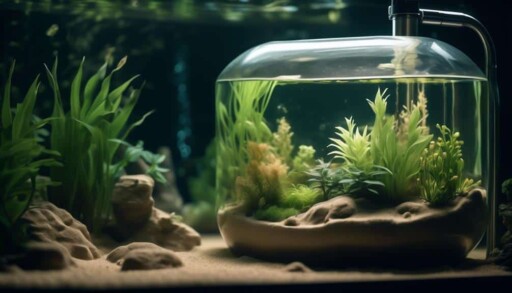
Creating an optimal habitat for axolotls involves careful consideration of various factors to ensure their well-being and natural behavior. One of the most important aspects of setting up an axolotl habitat is choosing the right aquarium size. Axolotls are active creatures that require ample space to swim and explore. A 20-gallon tank is generally recommended for one axolotl, with an additional 10 gallons for each additional axolotl. It is crucial to provide a spacious environment that allows them to move freely without feeling cramped.
Maintaining the appropriate water temperature is also essential for the well-being of axolotls. They are native to cool, freshwater habitats, so the water temperature should be kept between 60-68°F (15-20°C). This can be achieved by using an aquarium heater or by placing the tank in a cool area of the room, away from direct sunlight and heat sources.
Feeding and Nutrition for Axolotls
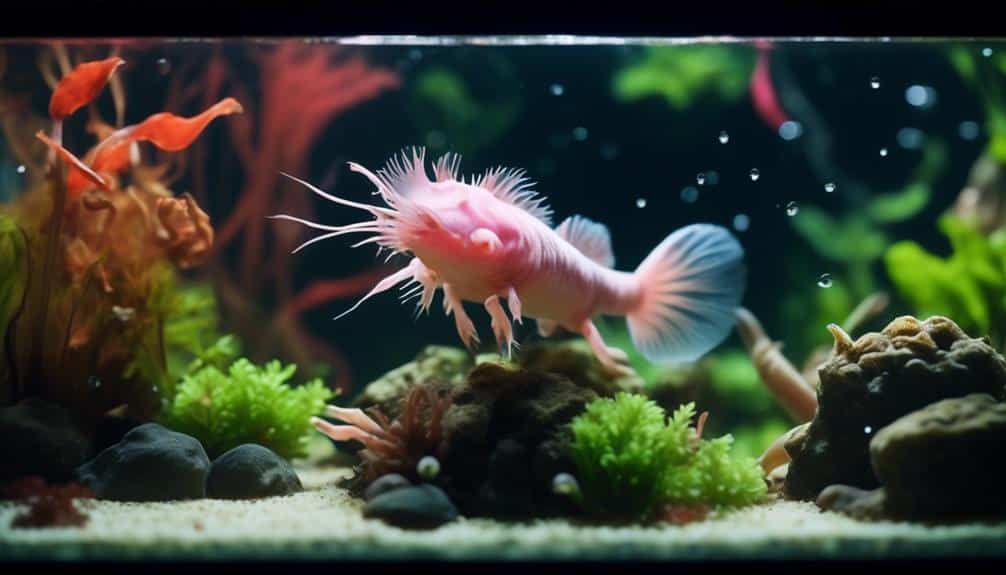
When it comes to the feeding and nutrition of axolotls, it is important to provide them with a well-balanced diet that meets their specific dietary requirements. Axolotls are carnivorous amphibians and their diet consists primarily of live or frozen foods. Here are five key points to consider when it comes to feeding your axolotl:
- Variety is essential: Offer a diverse range of food options such as earthworms, bloodworms, brine shrimp, and small fish to ensure they receive a wide array of nutrients.
- Feed according to size: Adjust the portion size based on the size and age of your axolotl. Younger axolotls require more frequent feedings compared to adults.
- Avoid overfeeding: Axolotls have a slower metabolism, so it is important not to overfeed them. Excess food can lead to water pollution and health issues.
- Calcium supplementation: Axolotls require calcium for strong bones and proper growth. Dusting their food with calcium powder or providing calcium-rich foods like snails can help meet this need.
- Monitor feeding behavior: Pay attention to how much your axolotl is eating. If they consistently refuse food or show signs of poor appetite, it may indicate an underlying health issue.
Challenges and Rewards of Owning an Axolotl
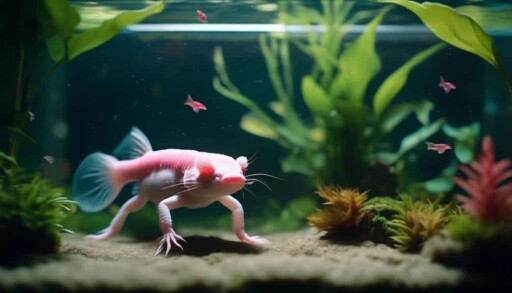
Feeding and ensuring the proper nutrition for axolotls is just one aspect of the complex challenges and rewards that come with owning these unique aquatic creatures. Axolotls have fascinating behavior patterns, making them intriguing pets for enthusiasts. They exhibit neoteny, retaining their juvenile characteristics throughout their lives, which is a captivating sight for owners. However, it is crucial to understand the health issues that axolotls may face. These include fungal infections, parasitic infestations, and metabolic bone disease. To emphasize the importance of maintaining a suitable environment for axolotls, consider the following table:
| Challenge | Reward |
|---|---|
| Health issues | Fascinating behavior |
| Maintaining water quality | Unique appearance |
| Providing suitable habitat | Educational experience |


