
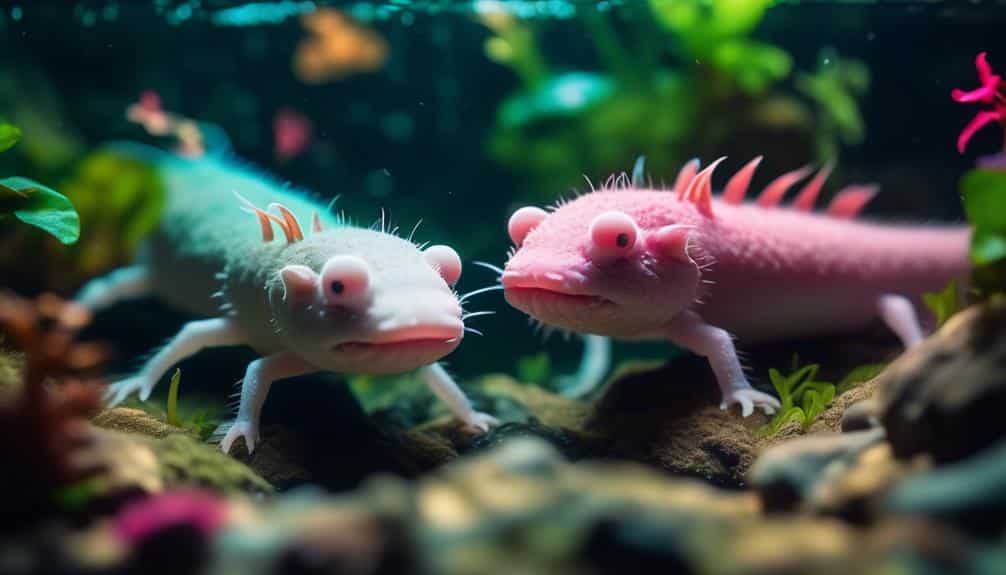
Axolotls, those fascinating amphibians known for their regenerative abilities, have long captivated the curiosity of enthusiasts and researchers alike. However, despite their incredible potential for reproduction, there are instances where axolotls fail to spawn.
The reasons behind this phenomenon are multifaceted and complex. From inadequate tank conditions to genetic factors, a myriad of factors can contribute to the absence of axolotl spawning.
In this discussion, we will explore the potential causes behind this puzzling occurrence, shedding light on the intricate world of axolotl reproduction.
Inadequate Tank Conditions
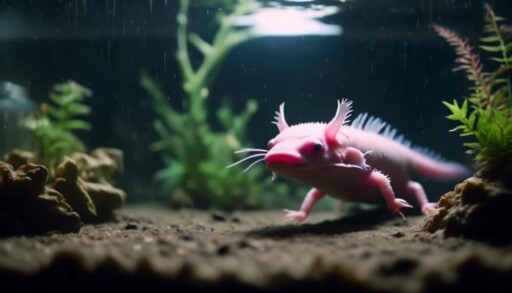
Inadequate tank conditions can significantly impact the successful spawning of axolotls. Two crucial factors that must be carefully considered are water filtration and tank size.
Proper water filtration is essential to maintain the quality and cleanliness of the water in the axolotl tank. Axolotls are sensitive to changes in water chemistry, and the accumulation of waste and toxins can disrupt their reproductive behavior. Implementing an efficient filtration system, such as a sponge filter or a canister filter, is crucial to ensure optimal water conditions for successful spawning.
Additionally, tank size plays a vital role in the breeding success of axolotls. A larger tank provides more space for the axolotls to establish territories and engage in courtship behaviors, increasing the likelihood of successful mating. It is recommended to provide a tank with a minimum size of 20 gallons to promote a conducive breeding environment.
Lack of Proper Water Temperature
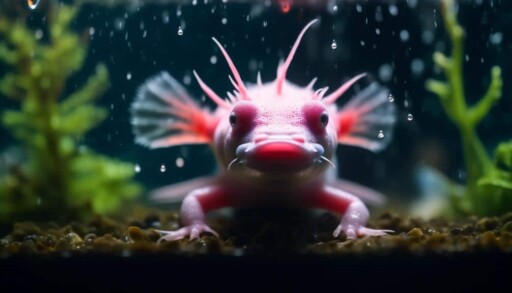
Water temperature is a critical factor that must be carefully regulated to ensure optimal conditions for successful axolotl spawning. Axolotls are ectothermic animals, meaning that their body temperature is dependent on the temperature of their environment. In their natural habitat, axolotls inhabit cool, freshwater lakes and require specific temperature ranges to trigger the breeding process.
Proper water temperature management is essential for axolotl breeding success. The table below outlines the recommended temperature ranges for axolotl spawning and the corresponding breeding techniques and strategies that can be employed:
| Temperature Range (°C) | Breeding Techniques and Strategies |
|---|---|
| 16-18 | Simulating winter conditions |
| 18-20 | Gradual temperature decrease |
| 20-22 | Natural temperature fluctuations |
| 22-24 | Maintaining stable conditions |
| 24-26 | Simulating summer conditions |
Insufficient Food Supply
The availability of an inadequate food supply poses a significant challenge to the successful breeding of axolotls. Axolotls are carnivorous amphibians that require a diet rich in protein to thrive and reproduce. Insufficient food supply can lead to poor health and reduced reproductive capacity. Overfeeding consequences should also be considered, as excessive food can lead to obesity and other health issues, which may further hinder the breeding process.
Breeding techniques play a crucial role in ensuring an adequate food supply for axolotls. Proper feeding schedules should be established, taking into account the nutritional requirements of these amphibians. Feeding axolotls a varied diet consisting of live or frozen prey, such as bloodworms, brine shrimp, and small fish, can help meet their nutritional needs. Additionally, regular monitoring of the axolotls' body condition and adjusting the feeding regimen accordingly is essential to ensure optimal breeding conditions.
Stress or Aggression Among Axolotls
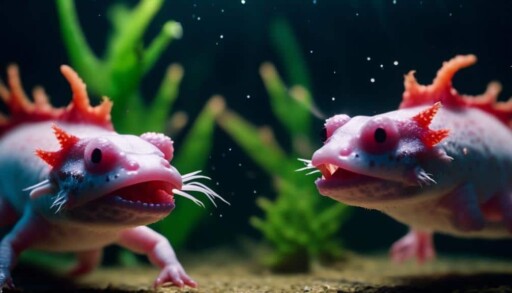
Stress and aggression are key factors that can impact the reproductive success of axolotls, requiring careful management and observation. These behavioral changes can disrupt the breeding process and hinder the spawning of axolotls. Understanding the causes and effects of stress and aggression is crucial for successful breeding programs and conservation efforts.
Here are three important points to consider:
- Environmental factors: Axolotls are sensitive to changes in their habitat, such as water quality, temperature, and lighting. Any fluctuations in these parameters can induce stress and trigger aggressive behaviors among individuals.
- Social interactions: Axolotls are social creatures, but overcrowding or the introduction of incompatible individuals can lead to territorial disputes and increased stress levels. Establishing appropriate group sizes and ensuring compatible tank mates are crucial for maintaining a harmonious social environment.
- Handling and disturbance: Frequent handling or disturbances in their habitat can cause stress and aggression in axolotls. It is important to minimize unnecessary interactions and provide them with a calm and secure environment to alleviate these negative effects.
Health Issues or Genetic Factors
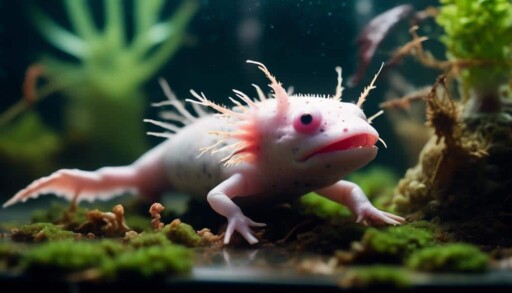
Given the significant influence of environmental and social factors on stress and aggression in axolotls, it is imperative to also consider the potential impact of health issues or genetic factors on their reproductive success.
Breeding difficulties can arise due to various health issues, such as infections, injuries, or malformations, which can affect the reproductive organs or hinder the mating process. Additionally, hormonal imbalances can disrupt the normal functioning of the reproductive system, leading to infertility or decreased breeding activity.
Genetic factors may also play a role, as certain genetic abnormalities or mutations can affect the axolotls' ability to reproduce successfully.
Understanding and addressing these health issues and genetic factors are crucial for promoting successful breeding and ensuring the long-term viability of axolotl populations in captivity.


