
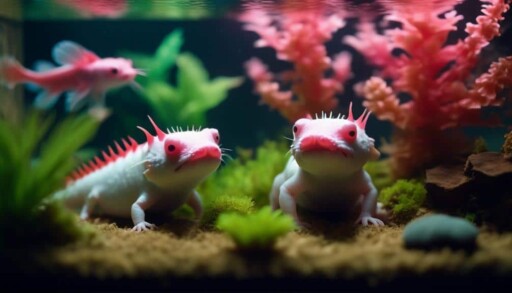
The axolotl, a unique amphibian native to Mexico, has gained popularity as a pet in recent years. However, the question of whether it is cruel to keep axolotls in captivity remains a subject of debate.
While some argue that axolotls can adapt well to life in an aquarium, others raise concerns about their physical and mental well-being, as well as the ethical considerations surrounding their captivity.
Additionally, responsible ownership plays a crucial role in ensuring the welfare of these fascinating creatures.
In this discussion, we will explore the various aspects surrounding the contentious issue of keeping axolotls and seek to shed light on the question at hand.
Natural Habitat and Adaptability
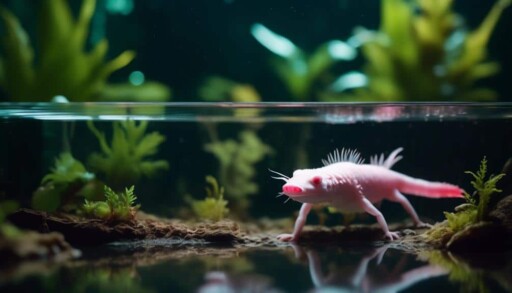
The natural habitat of the axolotl, also known as the Mexican salamander, plays a crucial role in its adaptability and survival. The axolotl is native to the Xochimilco canals and lakes in Mexico City, which are characterized by shallow waters with dense vegetation and muddy substrates. These conditions provide the axolotl with ample hiding places and a steady supply of food, including small invertebrates, fish, and amphibian larvae.
Conservation efforts are underway to protect the natural habitat of the axolotl, as it faces numerous threats to its survival. Urbanization and pollution have caused the degradation and loss of its habitat, resulting in a decline in wild populations. Additionally, the introduction of non-native species, such as tilapia and carp, has disrupted the axolotl's food chain and further impacted its numbers.
Understanding the natural habitat of the axolotl is crucial for its conservation and successful breeding in captivity. Efforts to recreate and maintain similar environmental conditions in captivity are necessary to ensure the species' long-term survival. By studying the axolotl's natural habitat and addressing the threats it faces, we can contribute to the conservation of this unique and fascinating creature.
Physical and Mental Well-being
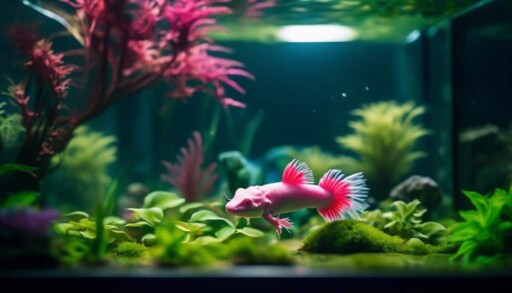
Promoting the physical and mental well-being of axolotls in captivity requires a comprehensive understanding of their specific care requirements and environmental needs.
Environmental enrichment plays a crucial role in maintaining the overall health and happiness of axolotls. Creating a suitable habitat with hiding spots, plants, and structures for them to explore and interact with helps to stimulate their natural behaviors and prevent boredom.
Additionally, regular health monitoring is essential to ensure their well-being. This involves observing their appetite, growth, and behavior, as well as monitoring water quality parameters such as temperature, pH, and ammonia levels. Regular water changes and filtration maintenance are necessary to maintain optimal water conditions.
Reproduction and Genetic Diversity
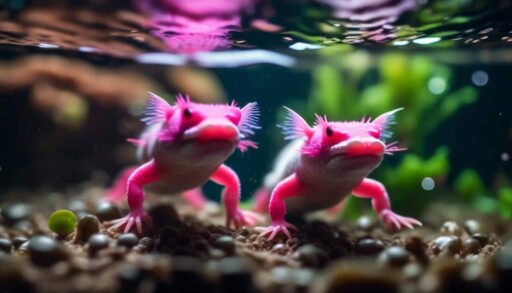
To further explore the reproductive and genetic aspects of axolotls, it is essential to understand the intricate mechanisms that contribute to their successful breeding and the importance of maintaining genetic diversity within captive populations.
Axolotls are capable of reproducing through both sexual and asexual means. In sexual reproduction, males deposit sperm packets, known as spermatophores, which are then picked up by females and stored until the eggs are ready for fertilization. Asexual reproduction, on the other hand, occurs through a process called parthenogenesis, where unfertilized eggs can develop into viable offspring.
Despite their remarkable ability to reproduce, axolotls face challenges related to genetic health and population management. Inbreeding can lead to a decrease in genetic diversity, potentially resulting in reduced fitness and increased susceptibility to diseases.
Therefore, it is crucial to implement effective population management strategies that prioritize genetic diversity to ensure the long-term health and viability of captive axolotl populations.
Ethical Considerations and Animal Rights
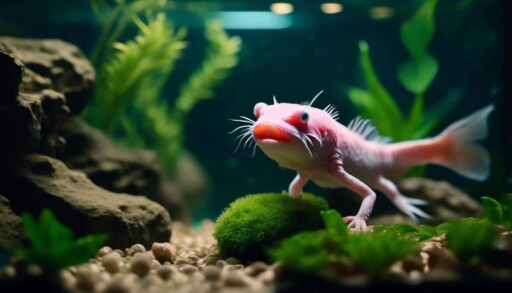
Ethical considerations and the protection of animal rights are fundamental aspects to be addressed when discussing the keeping of axolotls. These unique amphibians have become popular pets due to their fascinating characteristics and ability to regenerate limbs. However, there are ethical implications associated with their captivity.
One major concern is the impact of capturing wild axolotls for the pet trade. The demand for these animals has led to overexploitation of their natural habitats, threatening their survival in the wild. Conservation efforts are crucial to ensure the long-term survival of axolotls and to protect their ecosystems.
Another ethical consideration is whether keeping axolotls in captivity is in their best interest. While they can adapt to aquarium environments, it is important to provide suitable conditions that mimic their natural habitat. This includes maintaining appropriate water quality, temperature, and ensuring their dietary needs are met. Additionally, providing enrichment activities and adequate space for movement is essential for their well-being.
Responsible Axolotl Ownership
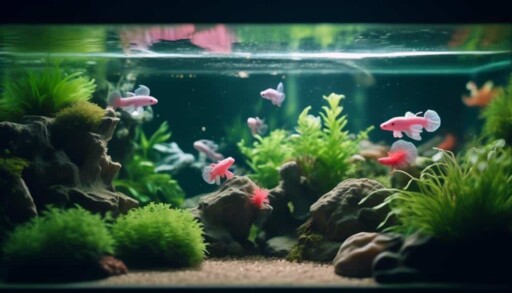
When owning axolotls, it is essential to adhere to responsible practices that prioritize the well-being and health of these unique amphibians.
Breeding axolotls requires careful consideration and should only be undertaken by experienced and knowledgeable individuals. It is important to ensure that the breeding environment provides the necessary conditions for successful reproduction, including appropriate water temperature, pH levels, and adequate hiding places for the female axolotl to lay her eggs.
Additionally, a well-balanced diet is crucial for the overall health and growth of axolotls. Their natural diet consists primarily of small aquatic invertebrates, such as worms, insects, and crustaceans. It is recommended to provide a varied diet that includes commercial axolotl pellets, frozen or live bloodworms, and brine shrimp. Proper nutrition is vital for axolotls to develop and maintain their unique characteristics, such as their regenerative abilities and external gills.
Responsible axolotl ownership entails providing a suitable breeding environment and ensuring a nutritious diet to promote their well-being and health.


