
Teilen ist Kümmern!
Ein Wintergewächshaus ist eines der nützlichsten Geräte, die ein Gärtner besitzen kann. Wenn Sie eine haben, können Sie so ziemlich alles tun, einschließlich der Aussaat zum Überwintern und dem Schutz Ihrer Stauden.
Ein Gewächshaus bietet Ihnen genügend Platz und Wärme für Ihre Gartenprojekte, die Sie in Ihrem Haus oder Ihrer Garage einfach nicht durchführen können.
Hier sind einige Dinge, die Sie diesen Winter in Ihrem Gewächshaus tun können, um die folgende Vegetationsperiode anzukurbeln.
Lass uns anfangen!
#1 Anbau von Wintersalaten und Kräutern
Ich weiß nicht, wie es dir geht, aber eine Sache, die ich im Winter am meisten vermisse, ist die Möglichkeit, frische Salate zu essen, wann immer ich Lust dazu habe.
Glücklicherweise habe ich einen Weg gefunden, dieses Problem zu bekämpfen – indem ich Wintersalate und Kräuter in einem Gewächshaus anbaue.
Säen Sie Ihr Lieblingsgemüse und -kräuter in Pflanzbeuteln oder einzelnen Töpfen und überfüllen Sie diese nicht, wenn Sie optimale Ergebnisse erzielen möchten. Sie können sie auch nachträglich verdünnen!
Frühlingszwiebeln, Kohl, Spinat, Petersilie, Rucola und Salat sind meine Lieblingsgewächshauspflanzen für den Winter, aber Sie können für Wintergärten auch jedes beliebige Kaltwetter-Grün anpflanzen, das Ihnen gefällt.
#2 Ackerbohnen säen
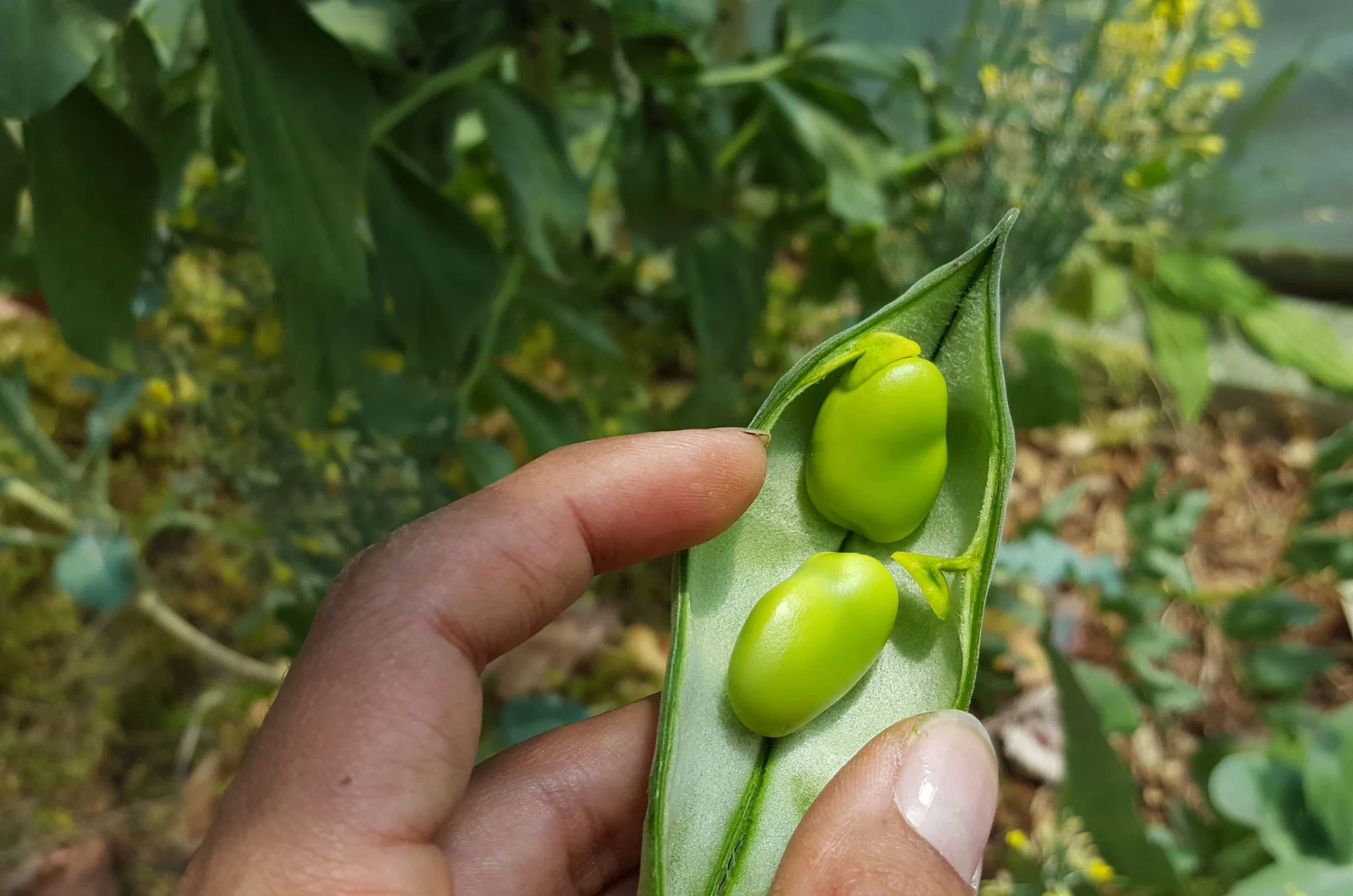
Bohnen gedeihen bei Frost und Kälte im Allgemeinen nicht gut, aber Ackerbohnen sind widerstandsfähiger als andere Sorten und Sie können sie in Ihrem Wintergewächshaus anbauen.
Pflanzen Sie eine einzelne Bohne pro Topf, verwenden Sie eine gut durchlässige und fruchtbare Blumenerde und bewässern Sie sie regelmäßig. Sobald das Wetter wärmer wird und Sie die Sämlinge abgehärtet haben, können Sie sie an einen gut durchlässigen, nährstoffreichen und sonnigen Ort in Ihrem Garten verpflanzen.
Wenn Sie Ackerbohnen auf diese Weise anbauen, erhalten Sie eine frühere Ernte und verlängern Ihre Vegetationsperiode.
#3 Zarte Pflanzen lagern
Ein Gewächshaus ist der perfekte Ort, um im Herbst Ihre Geranien oder andere zarte Stauden aufzubewahren. Es wird zusätzlichen Frost- und Windschutz geben.
Graben Sie diese Pflanzen vor dem ersten Herbstfrost aus, setzen Sie sie in mit hochwertigem Blumenerde gefüllte Pflanzgefäße, gießen Sie sie gründlich und stellen Sie sie in Ihr Gewächshaus.
Stellen Sie sie auf Regale, um Platz zu sparen, und stellen Sie sicher, dass sich ihre Blätter nicht berühren, um eine bessere Luftzirkulation zu gewährleisten.
In Gewächshäusern herrscht im Allgemeinen eine hohe Luftfeuchtigkeit. Wenn Sie zwischen den Pflanzen etwas Platz lassen, verringert sich das Risiko von Pilzkrankheiten. Außerdem wird es für Schädlinge schwieriger, von einer Pflanze auf die andere zu übertragen, wenn eine davon befallen ist.
#4 Zitrusbäume schützen
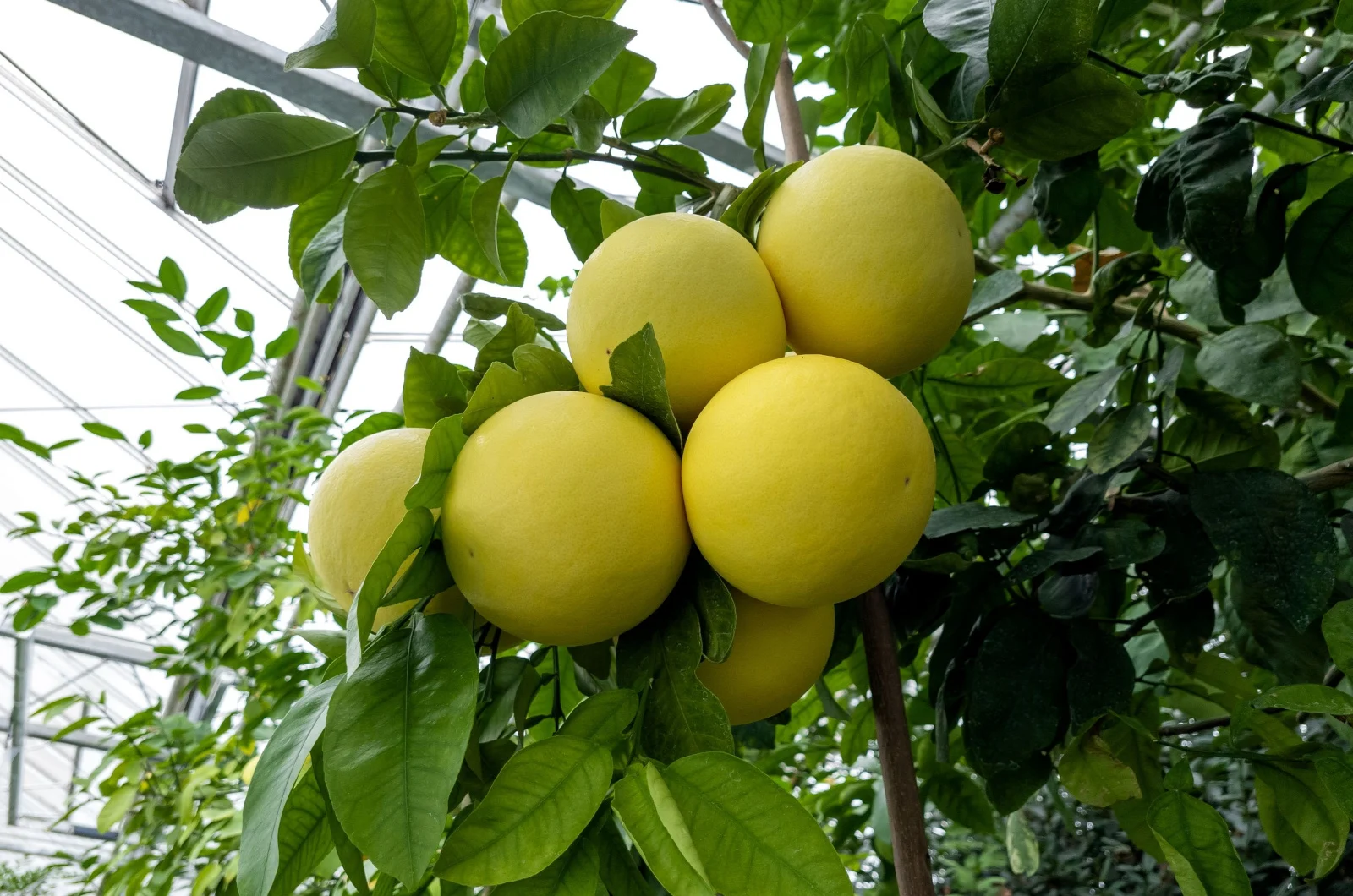
If you don’t live in Florida, Georgia, or some other warm state, chances are you’ll have to take your citrus trees indoors.
These trees don’t like the frost or cold, which is why you should grow them in containers and move them to your greenhouse before any real danger appears.
Some important things to know before bringing citrus trees indoors are placing them in a planter large enough to support their growth, fertilizing them, and trying to mimic their natural environment as best as possible.
If you don’t heat your greenhouse, cover the trees with straw and a frost protective cover. Irrigate your citrus trees once the soil dries out a bit.
#5 Propagating Cuttings
My favorite thing to do in a greenhouse is propagate cuttings. This is my insurance policy if something happens to my plants.
Simply plant the cuttings in moist and well-drained seed-starting mix, water them to prevent them from drying up, and cover them with fleece if you’re not heating the greenhouse.
In spring, you can repot your cuttings in larger containers with a regular potting mix and plant them in the ground once they’re strong enough (either in late spring or early summer).
#6 Starting Hardy Seeds
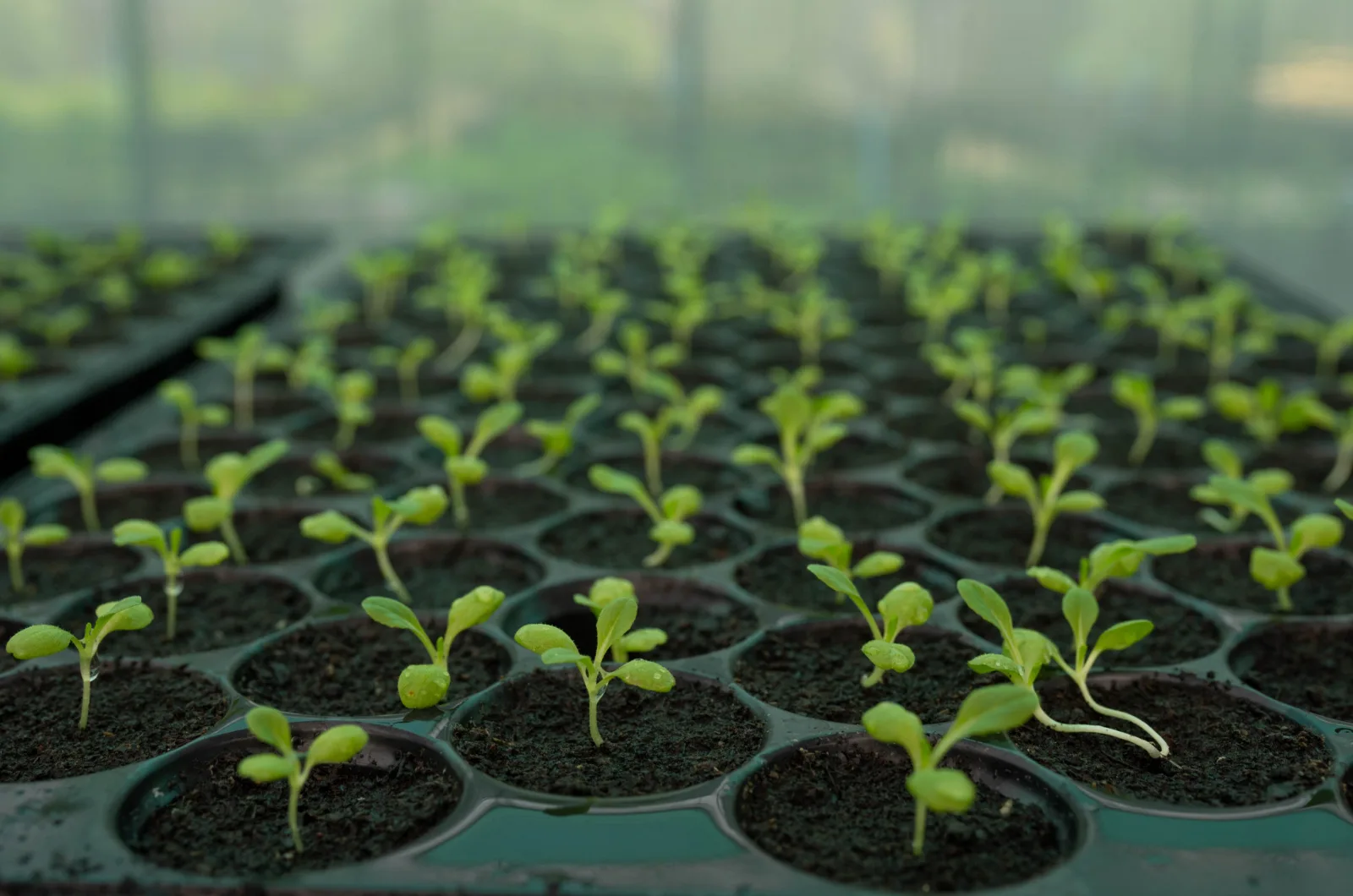
One of the top tips for greenhouse beginners is starting seeds in greenhouses. Whether we’re talking about coneflowers and pot marigolds or your favorite vegetables, you can jumpstart your growing season by sowing the seeds indoors.
This will bring that summer color to your garden sooner and you’ll get the first pepper and tomato harvest a lot sooner than your neighbors.
All you have to do is sow the seeds in nursery trays filled with a moist seed-starting mix, lightly cover them with more growing medium, and place a humidity dome or plastic bag over them.
Spray them with water if the soil dries out and remove the dome or bag once the seeds germinate and grow into seedlings.
Once they become too large for the nursery tray, plant them in individual containers and harden them off once the weather warms up before transplanting them outdoors.
#7 Planting Lily Bulbs
I love lilies as much as the next person, and I’ve found a way to bring their amazing shades to your summer garden a bit sooner.
Start their bulbs in late winter or early spring in your greenhouse and they will flower much earlier than the lilies you plant directly in the ground.
Plant the bulbs in a pot three times deeper than their size and space them around two inches apart. Use a potting mix with excellent drainage or mix a regular one with pumice, perlite, or other draining materials.
If your growing medium doesn’t contain added plant food, you can mix in some worm castings.
And once all danger of frost is gone, you can move these pots outside to a shaded area.
#8 Overwintering Bulbs, Corms, And Tubers
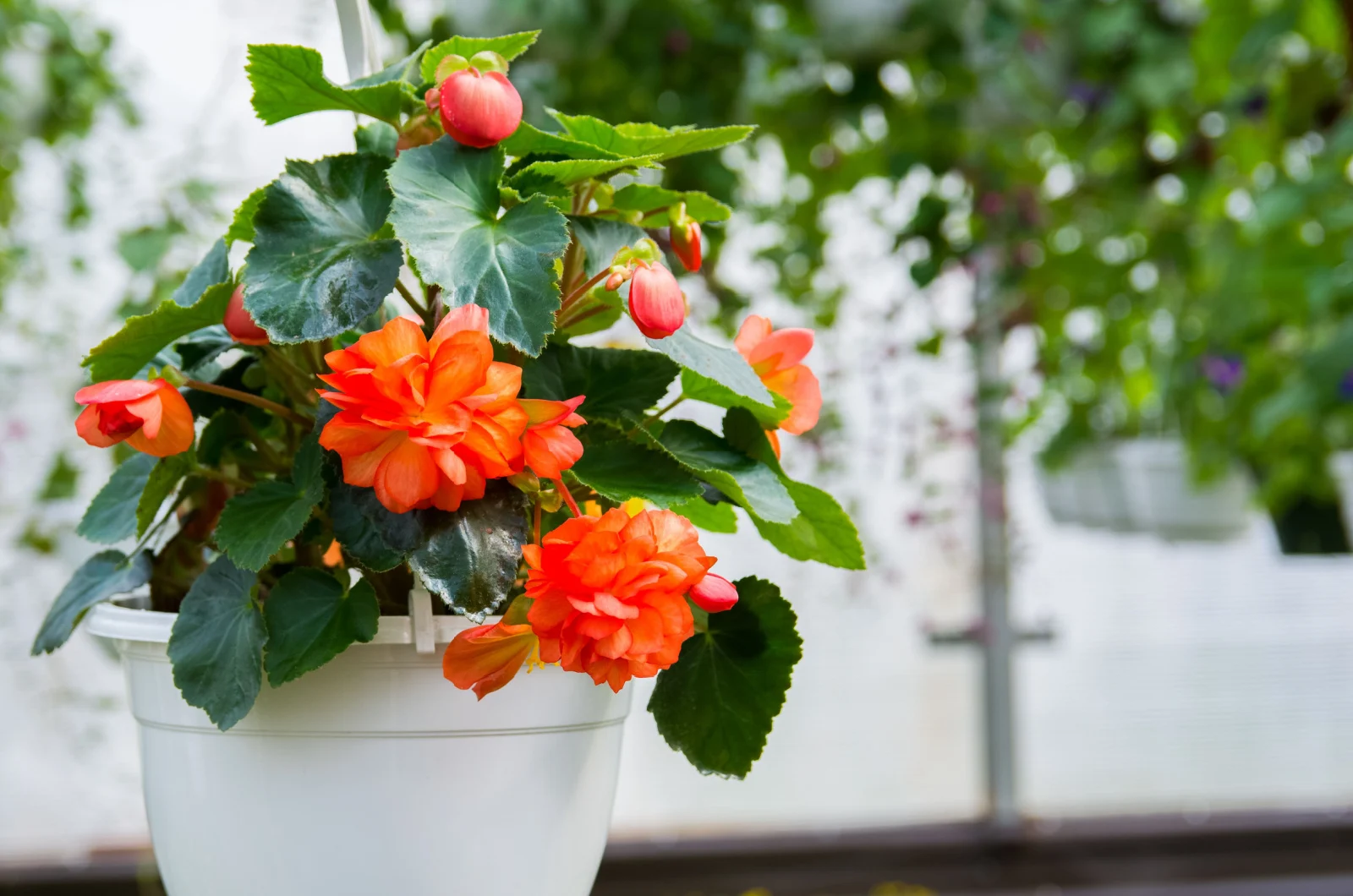
You can overwinter your begonias as entire plants or save their tuberous roots in a greenhouse. Other bulbs, corms, and tubers that generally don’t do well in winter soil include dahlias, gladioli, freesias, and canna lilies.
Wait until the frost kills the aboveground growth and then dig these tubers up. Then, place them in dry and sandy soil (or wrap them in a burlap) and keep them in a cool greenhouse.
And if you’re growing these tuberous plants in pots, simply prune them to about 4 inches above the planter and take the entire container into your greenhouse. Never remove the entire growth because that’s where the plant will produce new shoots from.
In spring, lift up the tubers and plant them in new pots filled with fresh growing medium or plant them into your garden once the weather warms up.
#9 Restarting Tender Tubers
A greenhouse is an excellent place for starting tubers, such as dahlias and canna lilies, anew in March and April. Your greenhouse will be warm enough at this time without having to heat it yourself.
Use healthy tubers and get rid of the soft and rotting ones. Plant them in containers filled with a seed-starting mix and keep the soil moist but never wet.
Once they start to protrude from the soil and produce stems, you can take a couple to use as cuttings and grow the rest of them.
#10 Creating Succulent Planters
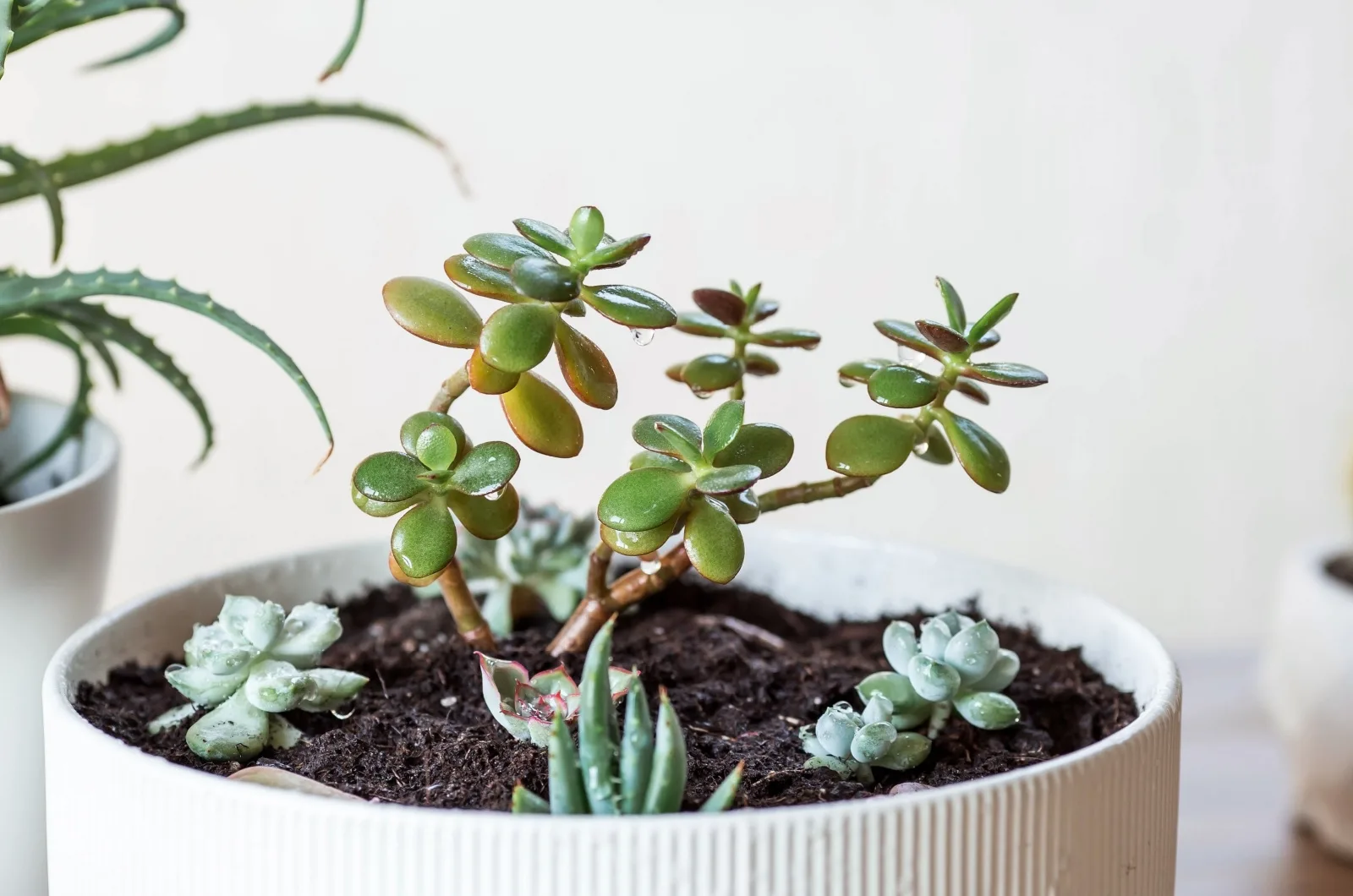
Succulents and cactus plants are perfect for beginner growers because they don’t require too much maintenance and look stunning with very little care.
And you can use them for a fun winter task – creating succulent plants. Use succulents with yellow flowers for a monochromatic appeal or go with colorful plants for more allure.
Plant them in a large planter filled with succulent soil mix and combine those plants with similar growing conditions so that they can all thrive. Use plants of similar sizes so that one plant doesn’t overcrowd the other, and that’s it.
Succulents such as lithops, hen and chicks, aloes, and sedums are perfect for this job. Start them in your greenhouse and move them outdoors once the weather warms up.
Heating A Greenhouse
One of the things I wish I knew before I got a greenhouse were the temperature conditions inside it. It can get quite warm in a greenhouse, although winters can still be tough.
That’s why it’s best to buy a heater for your greenhouse if your region experiences particularly harsh winters and you want to grow seeds and cuttings.
You should also invest in a thermostat, which will tell you the exact temperature and allow you to avoid freezing your plants to death.
Insulating A Greenhouse
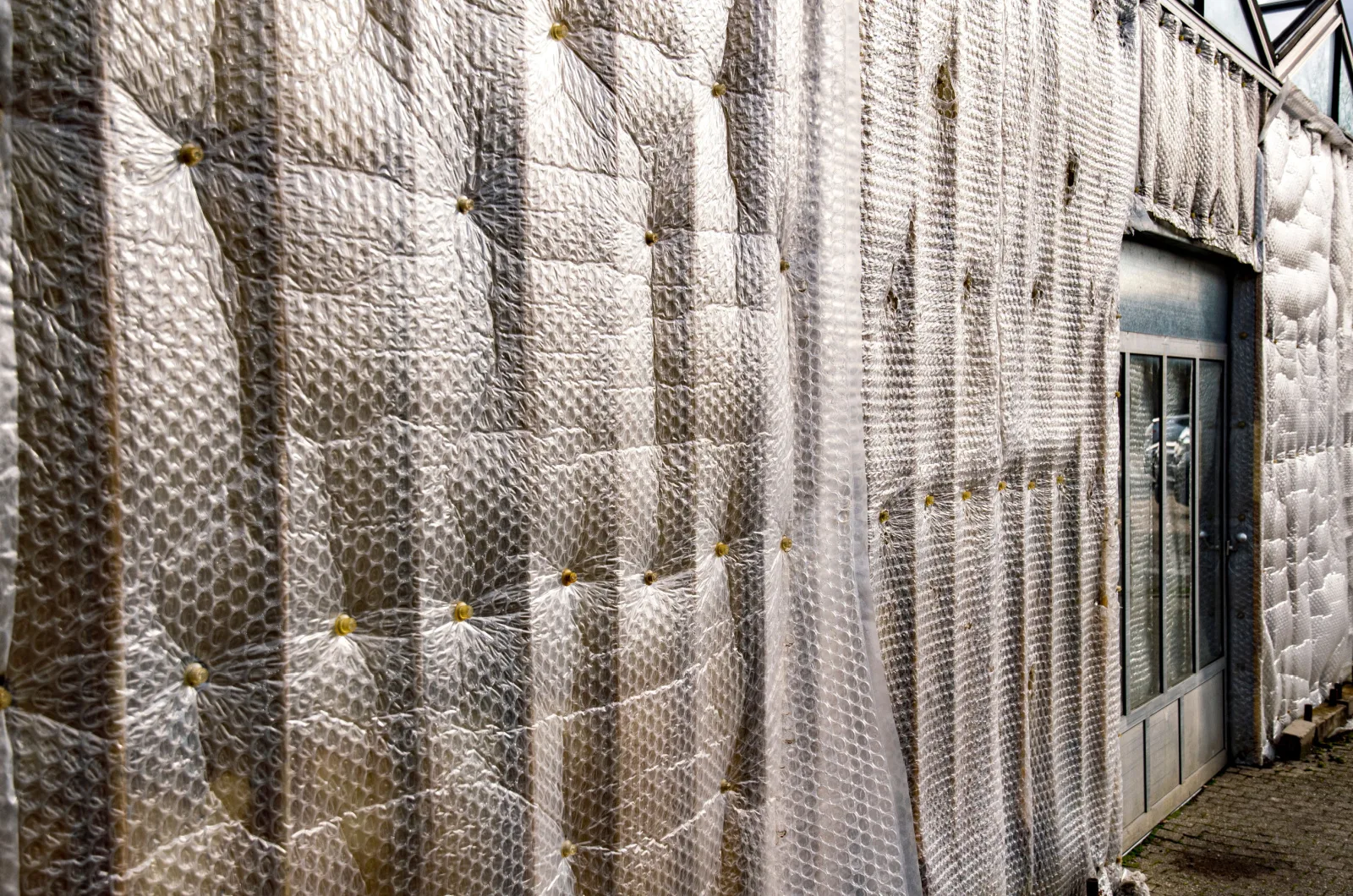
You can consult this list of the 5 best greenhouses if you want everything ready-made or you can do some jobs yourself, such as insulation.
Dies geht am besten, indem Sie etwas Luftpolsterfolie auf der Innenstruktur befestigen. Große Rollen Luftpolsterfolie und Clips zur Befestigung sind online und in Baumärkten weit verbreitet.
Und wenn der Frühling kommt, entfernen Sie diese Einrichtung, da Ihre Pflanzen nicht so viel Schutz benötigen.
Sie können Ihre Pflanzen auch mit Vlies einwickeln, allerdings hilft diese Methode nicht bei den strengsten Wintern und eignet sich am besten für Regionen mit milderen Wintertemperaturen.
Denken Sie daran, es zu entfernen, wenn das Wetter wärmer wird, da es die Luftzirkulation verringern und die Luftfeuchtigkeit um Ihre Pflanzen herum erhöhen kann, was dazu führen kann, dass diese Pilzkrankheiten bekommen oder zu faulen beginnen.
Verwendung von Mini-Gewächshäusern im Winter
Mini-Gewächshäuser sind im Winter hervorragend einsetzbar, insbesondere zum Ansetzen von winterharten Samen, zum Überwintern von Stauden oder zum Vermehren von Stecklingen.
Schließen Sie sie, wenn die Temperaturen sinken, und decken Sie sie mit warmen Decken ab, um die Innentemperatur zu erhöhen, und Ihren Pflanzen sollte es gut gehen.
Und sobald das warme Wetter kommt, öffnen Sie den Reißverschluss Ihres Mini-Gewächshauses, um für mehr Luftzirkulation zu sorgen und Pilzkrankheiten und Fäulnis vorzubeugen.
PS: Vergessen Sie nicht, Ihr Mini-Gewächshaus am Boden, an der Wand oder an einem Zaun zu befestigen, damit Wind und Sturm es nicht wegblasen.
Jetzt wissen Sie alles, was Sie über die Nutzung eines Gewächshauses im Winter wissen müssen. Ich möchte nur noch eine letzte Sache sagen.
Auch wenn Ihre Pflanzen in Gewächshäusern wachsen, benötigen sie Licht und Luft. Sorgen Sie daher für eine gute Belüftung und reinigen Sie das Glas regelmäßig. Schließen Sie Ihr Gewächshaus vor Einbruch der Dunkelheit, um die Wärme drinnen und Schädlinge draußen zu halten!